How A Building Inspection Works On Phoenix Apartments
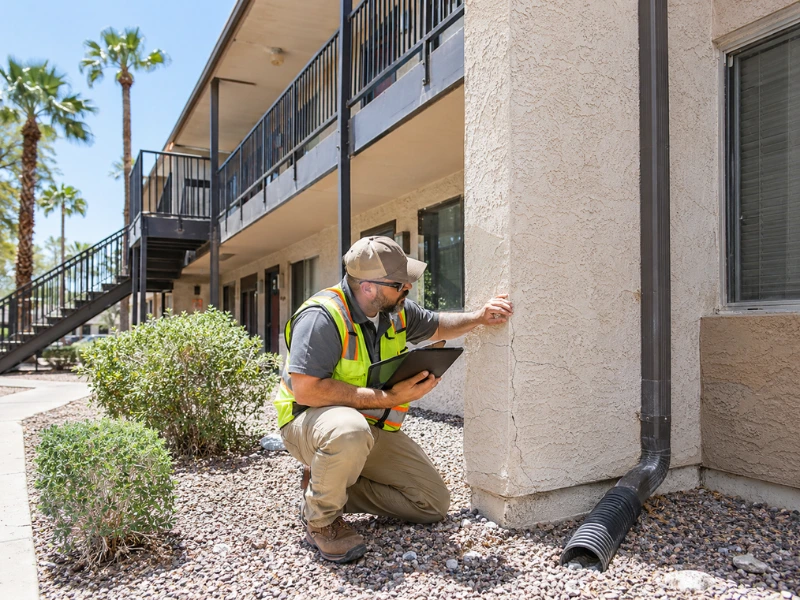
We approach every building inspection in an outside-in approach. We will start by looking at your roof, structure, site drainage and communal systems. From there we will look at your individual units in a planned manner. As we see the property as being one building with many households we will provide you with a report that highlights the high value items and any recurring issues.
By Alex & Jeff, Certified Inspectors · Last updated November 12, 2026
What sets Phoenix multifamily and apartment buildings apart?
There are many distinct differences between multifamily/apartment buildings in Phoenix. Everything is subjected to high temps, high sunlight and monsoon rains. So depending on how old the building is will determine which part is likely to fail first.
Most of the older units are garden-style 2 story apartments built between the 60's and 80's. Newer buildings have been smaller infill fourplexes in the centre of phoenix and mid-rise buildings with retail space on the bottom floor. Here are often the hardest parts to look at by type:
Building type | What we often find | Why it matters |
1960s–70s garden apartments | Flat roofs with worn coatings, original cast iron drains, older electrical panels | Roof and drain replacement can hit every unit at once |
1980s–90s complexes | Mixed flat and pitched roofs, aging package HVAC units, carport structures | Many systems reaching end of life around the same time |
Duplexes and fourplexes | Past owner conversions, shared meters, mixed-age repairs | Work done without permits shows up here most |
Newer mixed-use mid-rise | Rooftop equipment, podium decks, separate commercial systems | More systems to track, and more owners of each one |
In short, the flat roof is the single most common big expense we flag. Summer heat breaks down roof coatings faster than in milder climates. Then a July monsoon storm finds every clogged scupper and low spot where water ponds.
For more on what the sun and storms do to roofs here, see our guide to Phoenix roof damage from sun and monsoon season.
How does a mixed use property change the inspection?
This type of property can sometimes cause issues as there are 2 occupancies within the same building typically a retail or restaurant on the ground floor and flats above. This means that there are separate systems for each occupancy which means we will be looking at the following:
A few additional factors compared to a flat only property:
Separate services: commercial electrical panels, meters and HVAC units that serve only the ground floor
Restaurant plumbing: grease interceptors and kitchen drain lines that can back up into shared stacks
Separation between uses: fire-rated walls, ceilings and doors between the commercial space and the homes above
Tenant changes: walls, storefronts and ceilings that past commercial tenants built out and later abandoned
That last item matters most. Retail spaces often go through several build-outs over the years. So we compare what's there against the city's records. For Phoenix properties, the city's issued permits search shows which past tenant improvements and repairs were permitted. When a wall or a rooftop unit doesn't appear in that history, the report says so. Also, we note which systems the commercial tenant maintains under their lease, since that changes who pays when something fails.
How is a building inspection run on a multifamily site?
A building inspection is conducted in a specific order. The process begins on the rooftop early and finishes with the units. This is important as it can be very hot on the roof in Phoenix by later the morning of a summer's day.
If you've wondered how is a multifamily property assessed, here's how a typical day goes:
Roof first: coatings, seams, drains, scuppers, flashing and rooftop equipment, while temperatures are still workable
Exterior and site: stucco cracking, grading, drainage toward foundations, parking areas and carports
Stairs, walkways and railings: exterior stairs, balconies and second-floor walkways, which take the hardest wear from sun and water
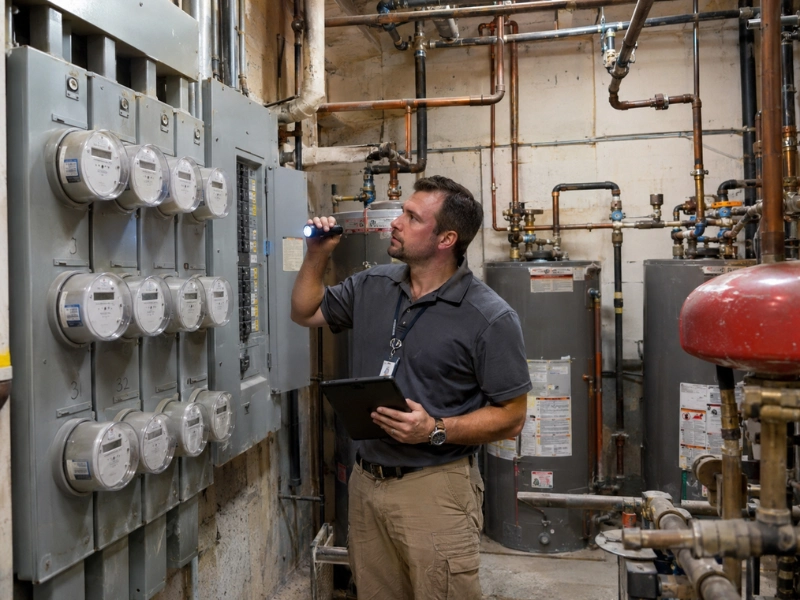
Mechanical and electrical: meter banks, panels, water heaters, boilers and any shared equipment rooms
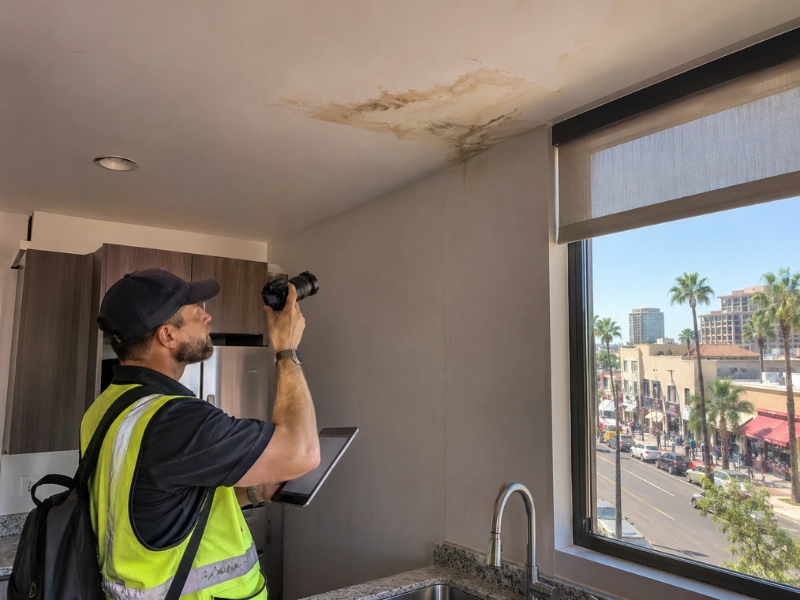
Units: the agreed set of units, walked one by one with photos tied to each unit number
Any rooftop HVAC will add weight to the roof. The packaged units will be sat on the coating and will have foot traffic during every service so we will look at the areas surrounding the unit in detail.
We will also look at any repeated issues. If there is a discolouration on one unit it will just be a repair but if there are 5 units on the top floor with the same issue then it will be an issue with the roof. Findings will be listed by system to help spot trends.
Shared drain lines often deserve their own look. Our sewer scope inspection can be added to check the main lines leaving the building.
What should sellers and buyers have ready before inspection day?
Before inspection day, have access, records and a clear unit list ready. Those three things decide whether the inspection finishes on schedule.
Here's what helps most:
Unit list: unit numbers, floor plans, and which units are vacant or down
Keys and access: to units, roofs, mechanical rooms, laundry rooms and storage
Records: roof age or warranty, HVAC service history and any past inspection reports
Tenant notice: arranged in advance by the owner or property manager
We tend to get the larger properties in for earlier start times during the summer so that roofing can be completed before it gets too hot. The property manager will then have access to units during the afternoon.
Also, ask for the permit history up front. Gaps there often explain odd findings on site. If you're new to multifamily due diligence, our Scottsdale multi-family inspection guide explains unit sampling and tenant notice rules in detail.
Where do we provide building inspections around Phoenix?
We offer building inspection services throughout the Phoenix valley area, including Glendale and Peoria (West Valley), Scottsdale, Tempe, Mesa, Chandler and Gilbert. Our inspectors are available from as early as 6.00am making them ideal for summer roof work.
For owners and buyers looking for building inspections in Phoenix AZ, our Phoenix building inspectors page covers the local work we do. We also handle assessing an apartment or mixed-use building in Phoenix Arizona as part of our broader commercial property inspections. If you need commercial building reports near Phoenix and Glendale AZ, our Glendale building inspectors work the West Valley regularly.
Home inspectors in Arizona must be certified under state law, which requires a board-approved course, a written exam and a fingerprint clearance card. Ultimately, a good building inspection gives you the full picture before you commit. Call us with the unit mix and address, and we'll scope the inspection to the property.
Frequently asked questions
1. What is covered on a whole building against a single unit?
The whole building report includes roof, structure, exterior, communal areas and a pre-agreed amount of units. The single unit report would only include the specific unit and any servicing systems within the unit. The reports will be presented by system and unit to highlight any recurring issues throughout the units.
2. How are shared roofs, plumbing stacks and common areas handled?
Communal roofs will be highlighted as one system. Plumbing stacks will be checked at the clean outs and inside the units on each floor. Communal areas will have their own section. Communal areas and communal systems will be highlighted as they will impact all tenants. By highlighting these areas you will have a clear idea of what your budget needs to be for these areas.
3. How is this priced - by unit, by square foot, or by building?
This is charged based on the scope of work required for the whole building and how many units we need to walk. As most of the time is spent on the units themselves, we do not charge per square foot. A duplex/triplex will normally be a few hundred dollars. A property between 5-20 units will normally be in the low thousands.
4. How long does it take on a twenty-unit property?
On site we generally spend one full day on a 20 unit property. Occasionally we may spend a second day if we have issues getting into the units or there are a few different buildings. The report will be provided within 2-3 working days of our on site visit.
5. What does an investor get in the report that a homebuyer does not?
The report will be split up by system and unit. Large items such as roofs, HVAC and drains will be highlighted to help you price your offer. The homeowner report will focus on one family and their safety and repairs. The investor report will highlight any recurring issues and short term capital costs.
Visit or Call Us
Halcomb Property Inspections
Phone: (480) 273-9328
Hours: Monday–Sunday, 6:00 AM – 9:00 PM
Certified residential and commercial property inspection company
Serving Phoenix, Glendale, Peoria, Scottsdale, Tempe, Mesa, Chandler and Gilbert. Call for a free quote, or use our contact page to book an inspection.
