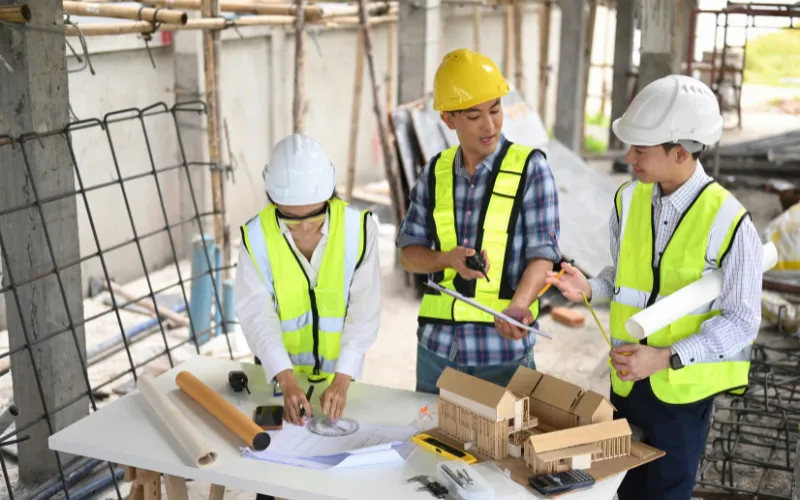
Commercial Property Inspection: The Smartest Move Before Signing Any Deal
Buying commercial property? Big move. Big money. One tiny mistake can cost you a fortune. Hidden leaks. Old wiring. Foundation cracks. Stuff you won’t see on a casual walk-through.
That’s why a commercial property inspection is not just smart—it’s essential. At Halcomb Property Inspections, we dig deeper. We don’t just tick boxes. We spot the stuff that others miss. The stuff that can make or break a deal.
We get it. You’re busy. You’ve got deals to make. But skipping an inspection? That’s risky. Our team makes it simple. Fast. Clear. No confusing jargon. Just the info you need to make a solid decision.
Halcomb isn’t your average inspection company. We combine experience with the latest tech. We’re thorough, honest, and sometimes blunt. And that’s exactly what you need when investing big in commercial real estate.
KEY TAKEAWAYS
✓ Discover how a commercial property inspection exposes hidden risks.
✓ Learn how reports become negotiation tools.
✓ Understand what professional commercial building inspectors actually do.
✓ Read inspection reports like a pro.
✓ Get expert tips, stories, and advice missing from typical guides.
What Is a Commercial Property Inspection?
It’s simple. A commercial property inspection is a full evaluation of a building. Structure, systems, safety, compliance — everything counts.
Inspectors check the stuff that can make or break your investment: roofs, foundations, HVAC, plumbing, electrical, fire safety, even accessibility.
These inspections follow standards like ASTM E2018 or CCPIA ComSOP. They aren’t guessing. They follow proven steps to ensure nothing gets missed.
Why It Matters
Prevents costly surprises. One hidden roof leak can cost tens of thousands.
Gives negotiation leverage. Find issues, ask for repairs, or lower the price.
Helps plan ahead. Know what’s aging and budget for repairs.
Keeps you compliant. ADA, safety, and code violations can shut your business down.
It’s more than a checklist. It’s protecting your bottom line.
What Happens During an Inspection
Here’s where the work really begins.
Pre-Inspection: Homework First
Before stepping on-site, a smart inspector reviews building records. Plans, maintenance logs, repair history, tenant complaints — everything matters.
Why? Old leaks or past patchwork leave clues. This prep helps focus the on-site work. No wandering around guessing.
On-Site: The Walkthrough
Here’s what gets checked:
Structural & Envelope
Cracks, foundation shifts, leaks, sagging beams. Inspectors look for stress signs — anything that screams “costly repair.” They check walls, windows, roofs, flashings, and drainage. If water’s getting in, it’s only going to get worse.
Mechanical, Electrical & Plumbing
HVAC units tested, electrical panels opened, plumbing lines checked. Safety systems like sprinklers, alarms, and emergency lights are examined too. These systems age fast, and replacements can be painful on your wallet.
Fire Safety, ADA & Code
Not glamorous. But essential. Inspectors verify exits, signage, ramps, bathrooms, lighting, and more. One ADA violation can trigger fines or legal trouble.
After the Visit: The Report
The report is the gold.
You get clear photos, priority rankings (urgent, recommended, monitor), cost estimates, remaining life spans for major systems, and repair advice.
Good inspectors don’t just list problems. They explain what’s critical and what can wait. That’s what separates pros from paper-pushers.

Choosing the Right Commercial Building Inspectors
Here’s the trap: hiring the cheapest. Bad idea.
You want commercial building inspectors who understand construction, not just paperwork.
What to Look For
Proper credentials (CCPIA, ICC, engineering background).
Experience with your building type — retail, office, warehouse.
Strong references and reviews.
Transparent quotes and turnaround times.
Ask about tools. Thermal cameras, drones, moisture meters — modern inspections use tech. Old-school clipboard-only inspectors often miss things.
Scope & Customization
No two buildings are identical. A small retail unit doesn’t need the same depth as a massive warehouse.
Good inspectors ask questions before quoting. Bad ones hand over cookie-cutter pricing.
Make sure your proposal clearly states what’s included, what’s excluded, and optional add-ons like environmental or roof core testing. That prevents surprises.
Cost vs. Value
Quotes vary widely. One inspector might charge $2,000. Another $8,000.
Cheapest isn’t always best. Look for the inspector who prevents six-figure problems. A business property inspection service is an investment — not a cost.
Understanding the Report: Turning Data into Decisions
The report is useful only if you know how to use it.
Most inspections categorize findings:
Critical: Needs repair now or it gets worse.
Major: Should fix soon or budget accordingly.
Minor: Cosmetic or low-priority.
Use this to plan your next steps. Negotiate, budget, or prioritize repairs.
Example
Buying a mid-sized office? The inspection finds:
HVAC units 20 years old
Roof ponding
Electrical overload on panels
Non-compliant ADA entry
You bring the report to the seller. Negotiate $200k off. Deal saved.
That’s how inspections create real value.
For Current Owners
Already own the building? Great.
Use inspections for long-term planning. Replace aging systems before they fail. Show insurers proactive maintenance — some even cut premiums. Re-inspect every few years. It’s cheaper than dealing with emergencies.
Advanced Layers Many People Forget
Want full insight? Look deeper.
Life Safety & Fire Systems
Blocked exits, malfunctioning alarms, sprinkler issues — easy to overlook, but critical.
Accessibility (ADA)
Slopes, signage, restrooms, handrails. One oversight = fines or failed occupancy permits.
Environmental Hazards
Asbestos, lead, mold, radon. Not every inspection includes these, but if the building is old — ask.
Smart Building Systems
IoT sensors, networked HVAC, automated lighting — they break too. Inspectors check for vulnerabilities and functionality.
Drones & Thermal Imaging
Modern inspections use drones for roofs and thermal cameras to detect hidden leaks. 3D scans help with renovations. If your inspector uses this tech, you’re ahead.

Inspection Timeline: What to Expect
Clients often ask, “How long will it take?”
Most inspections follow a loose timeline:
Planning & prep: Review documents, define scope — 1–2 days
On-site walkthrough: Full building inspection — 1–3 days
Specialty tests: Structural, HVAC, environmental — same day or next
Report drafting: Detailed findings and estimates — 1–2 days
Delivery & review: Meeting or call to go over results — within 24–48 hours
Example: Halcomb inspects a retail strip center. Finds HVAC corrosion, roof bubbling, plumbing leaks. Client gets a 75-page report in 24 hours. Repairs are negotiated before closing.
Fast, thorough, and actionable.
Common Mistakes to Avoid
Hiring a home inspector instead of a commercial property inspection expert.
Accepting a short “walk-and-talk” inspection. Hidden water/electrical issues get missed.
Skipping code/ADA review. Fines aren’t fun.
Waiting too long to act. Deferred maintenance multiplies costs.
Treating the report as a document instead of a planning tool.
Avoid these and you’re already ahead.
Turning Inspections Into Strategy
Inspections aren’t just about problems. They’re about opportunity.
Reports help forecast expenses, plan upgrades, and make data-driven decisions on rent, financing, and renovations. One thorough inspection can save you years of surprises. You’re not just buying a building — you’re buying predictability.
FAQs
Q: How much does a commercial property inspection cost?
It depends on size, age, and complexity. Small buildings: a few thousand. Larger sites: more. Always ask for a quote.
Q: How fast will I get the report?
Usually 24–48 hours. Sometimes sooner. Halcomb moves fast because deals move fast.
Q: Do I need separate specialists?
Sometimes yes — asbestos, structural analysis, environmental testing. Halcomb coordinates these.
Q: What if the seller blocks access?
Note it in the report. Missing access = unknown risk. Always document.
Q: Should I re-inspect yearly?
Every few years is smart, especially for HVAC, roofs, and plumbing. Preventive beats reactive — always.
CONCLUSION
Skipping a business property inspection services is gambling. Real estate isn’t kind to gamblers.
Seasoned commercial building inspectors provide clarity — protecting you from costly mistakes.
At Halcomb Property Inspections, every project gets precision, explanation, and actionable insight. No filler. No jargon. Just results that protect your money.
CALL TO ACTION
Ready to protect your investment before signing? Contact Halcomb Property Inspections today for a free consultation and quote.
Turn uncertainty into confidence — one building at a time.
