
First-Time Home Buyer Inspection Guide: What to Expect and Ask (2026)
Buying your first home is one of the most important financial decisions you’ll make. Between choosing the right neighborhood, securing financing, and negotiating the best price, it’s easy to overlook one of the most critical steps in the home‑buying journey: the home inspection.
A first‑time home buyer inspection gives you clarity into what you’re about to purchase, identifies hidden issues, and protects you from costly surprises after closing. With a qualified inspector on your side, you walk into your new home knowing exactly what to expect.
Halcomb Property Inspections provides detailed, reliable inspections designed specifically for first‑time buyers. We guide you through every step, answer your questions, and help you make confident decisions with peace of mind.
Key Takeaways
A first‑time home buyer inspection helps identify issues before purchase
Understanding home inspection tips for first‑time buyers can save money and stress
Asking the right questions increases confidence and negotiation strength
Professional inspections reduce risk and support informed decision‑making
Knowing what to expect leads to a smoother, more successful purchase
What Is a First‑Time Home Buyer Inspection?
A first‑time home buyer inspection is a professional, unbiased evaluation of a property before you complete the purchase. Unlike an appraisal (which focuses on value), a home inspection looks at the condition and safety of the home from visible structural components to systems like plumbing, electrical, and HVAC.
This stage is often the first real look behind the walls of your future home, and can reveal issues that even experienced buyers might miss.
For a deeper understanding of what a home inspection covers and why it matters, you can review the inspection standards outlined by the American Society of Home Inspectors (ASHI).
Additionally, the National Association of Realtors (NAR) explains how inspection results can impact the home‑buying process.
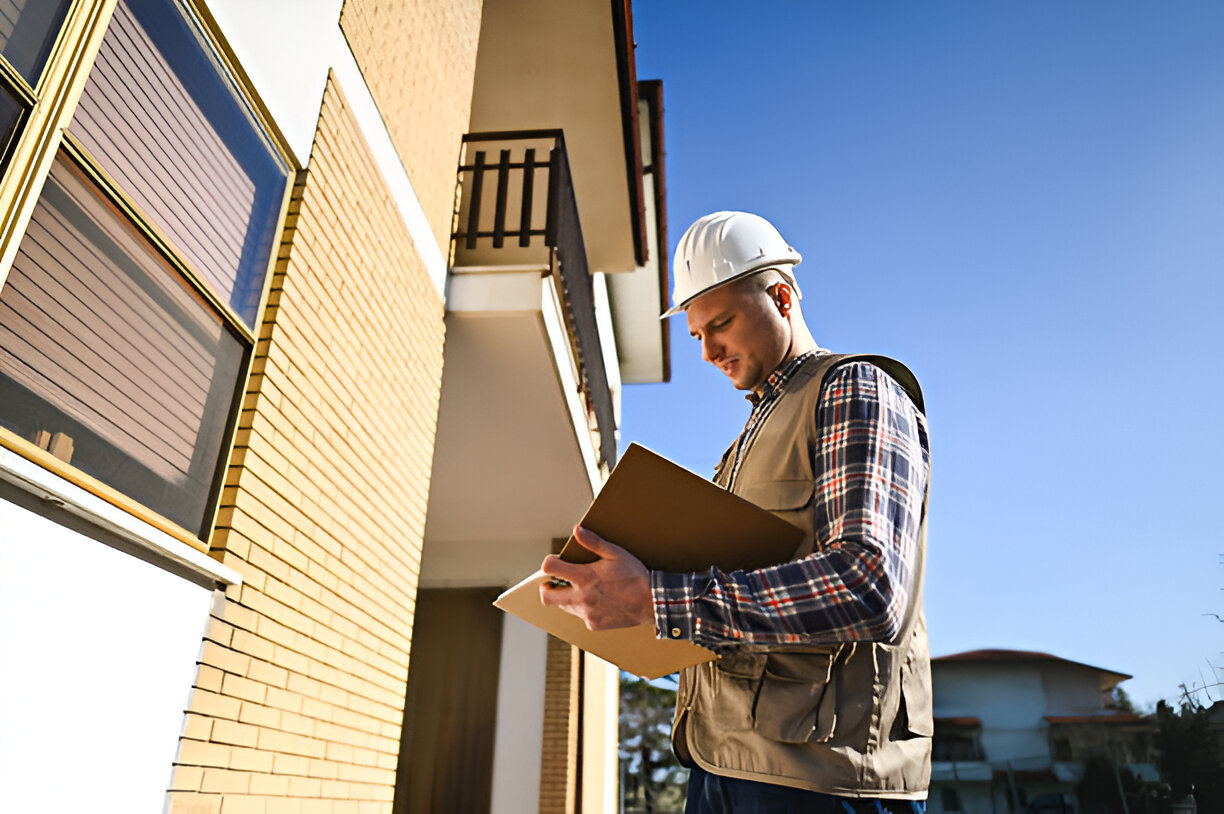
Why First‑Time Buyers Should Get an Inspection
Some first-time home buyers may wonder, “Is a first-time home buyer inspection necessary?” The short answer: almost always yes.
1. Full Understanding of the Home’s Condition
An inspection gives you a true picture of the home’s condition, not just how it looks on the surface. You’ll learn about defects that could affect safety, comfort, and long‑term costs.
2. Better Negotiation Power
When you know exactly what needs repair or replacement, you can negotiate with the seller for repairs, price adjustments, or closing credits, a major advantage when buying your first home.
3. Increased Peace of Mind
Buying a home can be stressful. An inspection helps remove uncertainty and ensures you’re making an informed investment.
4. Planning for Future Maintenance
Not every issue needs immediate repair, but an inspection report lets you plan and budget for future maintenance with confidence.
For tips on how to choose a qualified inspector and understand different inspection reports, see this guide from InterNACHI
Home Inspection Tips for First‑Time Buyers
Here are practical home inspection tips to help you get the most out of your inspection:
Attend the Inspection
You’ll learn more by being present; you can ask questions, see issues firsthand, and hear explanations in real time.
Prepare a List of Questions
Bring a list of questions about areas that matter most to you, foundation concerns, roof age, system lifespans, or maintenance costs.
Take Notes and Photos
Inspectors provide a written report, but taking your own notes and photos reinforces your memory for later decision‑making.
Understand Which Issues Are Urgent
Not all problems are deal‑breakers. Prioritize safety hazards and major system failures first, then consider cosmetic or future upgrades.
What Inspectors Evaluate
A professional home inspection covers key components of the property:
Structural Components
Foundation and structural supports
Walls, framing, and ceiling integrity
Roof condition and visible defects
Major Systems
Heating, ventilation, and air conditioning
Electrical panels, wiring, and outlets
Plumbing, water heaters, and fixtures
Interior Elements
Flooring and wall condition
Doors, windows, and seals
Built‑in appliances
Exterior Points
Siding, trim, and weather barriers
Drainage, gutters, and downspouts
Walkways, driveways, patios, and decks
Understanding what an inspection covers lets you know exactly what to expect and reduces anxiety on the big day.
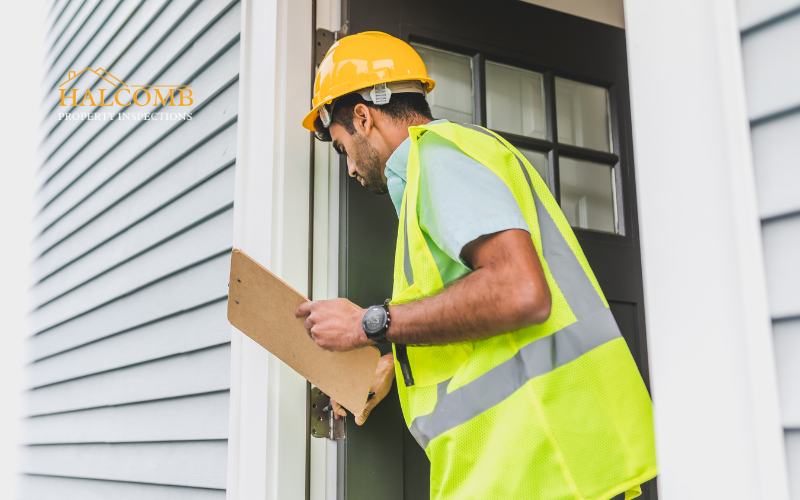
Common Issues Found During First‑Time Home Buyer Inspections
Even well‑maintained homes can have hidden problems. Typical issues found during inspections include:
Minor roof wear or damaged shingles
Electrical wiring that doesn’t meet modern safety standards
Plumbing leaks or corrosion
HVAC systems nearing the end of their lifespan
Identifying these early lets you negotiate or plan repairs efficiently.
How Inspections Affect Your Home Purchase
Boosts Buyer Confidence
A clean inspection report reassures buyers and lenders. Many mortgage programs require inspections for loan approval especially government-backed loans. Following a new buyer inspection guide helps first-time buyers better understand the process and feel more confident in their decisions.
Supports Smarter Negotiations
Use inspection findings to support requests for repairs, price adjustments, or credits at closing. A well-structured new buyer inspection guide can also help you determine which issues are worth negotiating and which are minor.
Improves Financial Planning
Knowing the condition of major systems helps you budget for future repairs and maintenance — a crucial consideration for first-time buyers.
After the Inspection: What’s Next?
Once your inspection is complete, you’ll receive a detailed report outlining findings and recommended action items.
Steps to Take
Review the report carefully
Discuss findings with your real estate agent
Prioritize repairs and negotiate if needed
Share information with your lender for loan processing
Retain a copy for future reference
This is the stage where inspection insights become actionable decisions, helping you move forward with confidence.
Why Choose Halcomb Property Inspections
Halcomb Property Inspections is dedicated to helping first‑time buyers understand every detail of their future home.
What Sets Us Apart
Thorough, easy‑to‑understand inspection reports
Experienced, certified professionals
Personalized communication and expert support
Tips tailored to first‑time home buyer needs
Our goal is to empower you with the information you need, not just a checklist.
Read Also: 5 Reasons Why New Construction Homes Need Home Inspections
FAQs
What is a first‑time home buyer inspection?
It’s a professional evaluation done before closing to identify issues and provide transparency on home condition.
Why is it important?
It can prevent costly surprises, support negotiation, and protect your investment.
How long does a typical inspection take?
Most inspections take 2–4 hours, depending on home size and condition.
Should I attend the inspection?
Yes — attending helps you ask questions and understand the report more fully.
Do I have to fix everything found in the inspection?
No. You decide which items to address based on budget, negotiation strategy, and urgency.
Conclusion
A first‑time home buyer inspection is more than a checklist; it’s a critical tool that protects your investment, strengthens your negotiating position, and gives you confidence as you step into homeownership.
By knowing what to expect, asking the right questions, and choosing a trusted inspection partner, you can make your first home purchase with clarity and peace of mind.
Ready to Buy with Confidence?
Take the first step toward a successful home purchase with Halcomb Property Inspections. Connect with a certified inspection expert, and schedule your first‑time buyer inspection today! Contact us now and move toward your new home with confidence.
