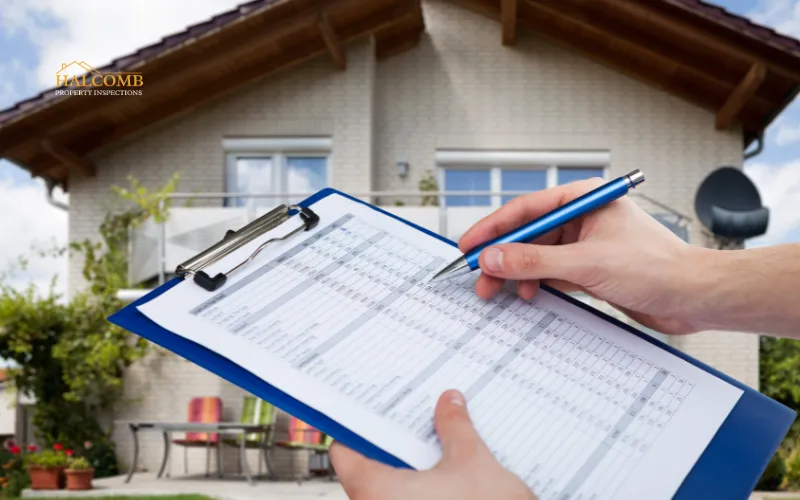
Foundation Inspection: The Hidden Truth Beneath Every Home
Every home has secrets. Some are small. Some… not so much. Beneath the surface, where you never really look, lies the one thing holding it all together—the foundation. It’s quiet. Strong. Often forgotten. Until cracks appear. Until doors jam. Until the floor feels slightly off. That’s when it starts to whisper. And trust me, those whispers? They matter.
A foundation inspection isn’t just another “maintenance thing” to check off. It’s about knowing the truth. What’s really going on under there? Is the soil shifting? Is moisture creeping in where it shouldn’t? These are the things that decide how long your home stays safe—how long it stands straight, without trouble. Because once a problem starts, it doesn’t stop on its own. It spreads. Slowly. Silently.
And that’s exactly where Halcomb Property Inspections steps in. They don’t just look—they dig deeper. They combine experience, tech, and that rare kind of attention to detail most people miss. Every inspection feels personal. Every report? Clear, simple, human. No confusing jargon, no scare tactics. Just honest answers from people who actually care about what’s beneath your home. That’s why homeowners all across Arizona trust them. They’re not just inspectors. They’re problem solvers. Guardians of the ground you live on.
Key Takeaways
✓ A foundation inspection catches hidden damage before it becomes disaster.
✓ It involves structure, moisture, framing, and soil checks.
✓ Professionals use advanced tools — not just the naked eye.
✓ Early detection means smaller bills and longer home life.
✓ The right inspector won’t exaggerate or undersell — they’ll tell you straight.

Why Foundation Inspections Actually Matter
Most people don’t think about the ground under their feet.
You walk, you live, you move on. Until it moves first.
Here’s the truth: foundations don’t fail overnight. They fail slowly. You don’t notice it until it’s loud — until the cracks crawl up walls or tiles snap under pressure. But by then? It’s late. Too late for easy fixes.
A proper foundation inspection digs deeper. It looks beyond the pretty paint, the clean tiles. It’s about what’s happening beneath.
The soil. The water movement. The concrete shift. The pressure points that quietly warp your framing over time.
A home’s health starts under it. And when you understand that, you realize why inspections aren’t optional — they’re essential.
It’s not paranoia. It’s prevention.
That’s what we do at Halcomb Property Inspections — catch it before it catches you off guard.
What a Foundation Inspection Really Looks Like
People imagine a guy walking around with a clipboard. Maybe a flashlight. Done in twenty minutes. Nope.
A real foundation inspection? It’s layered. Measured. Slow on purpose. Because guessing gets people hurt.
1. The Walkthrough
It starts outside. Always does.
The inspector walks your perimeter, scanning walls, doors, window frames. Noticing things you might ignore — hairline cracks, slope shifts, soil pullback.
Inside, they look again. Ceilings, floors, staircases. They listen when you say, “This door keeps sticking.” That’s not just a door thing. That’s a movement thing.
2. Measurements That Tell a Story
Then comes the gear. Laser leveling tools. Zip Levels. They measure elevation differences across your flooring — millimeters matter.
A floor that’s off by half an inch? It means something’s shifting. Slowly. Quietly.
3. The Moisture Check
Water is sneaky. You can’t always see it.
Inspectors use moisture meters, sometimes infrared cameras, to find damp spots or leaks. Because water doesn’t just rot wood — it moves soil. When the soil moves, your house moves. It’s that simple.
4. The Foundation and Framing Check
This part’s critical.
A solid foundation and framing check shows how your home’s bones interact. Inspectors study framing joints, sill plates, beams. They check for separation or sagging. Because if the frame’s off, the load shifts unevenly — and that’s when cracks multiply.
5. The Report
Finally, you get what you came for — clarity.
A written breakdown that tells you what’s safe, what’s not, and what’s on borrowed time.
It’s not fear. It’s facts. And good facts can save you a whole lot of stress.
Common Foundation Problems That Hide in Plain Sight
Let’s be honest. Most homeowners miss them.
You’re not trained to see these signs. But inspectors? They see them all.
Cracks That Lie to You
Not every crack means trouble. But some? They’re red flags.
Vertical ones often mean minor settling. Horizontal or stair-step cracks — that’s soil pushing your walls in. Dangerous if ignored.
Uneven Floors
You might think your couch just shifted funny. Nope.
When floors dip or slope, it’s a clear sign of movement beneath the slab. And that movement? It’s rarely stopping on its own.
Moisture Damage
Leaky gutters. Poor grading. Or a small crawl space leak.
Over time, they invite water to sit near the base. It swells soil. Lifts slabs. Erodes support. Slow destruction, silent style.
Framing Separation
Part of the foundation and framing check involves spotting tiny separations.
A sill plate pulling from the wall. Beams twisting just enough to crack drywall. It’s delicate — but it matters. That’s where long-term stress begins.
What Happens If You Ignore Foundation Damage
Here’s the brutal truth. You can’t out-paint gravity.
You might ignore the cracks. Patch them. Paint them. But the foundation keeps moving.
And that movement? It spreads. Cracks get deeper. Floors sag. Windows stop fitting. Roof lines tilt. One issue becomes five.
Then come the costs.
What could’ve been a $500 reinforcement job turns into a $15,000 underpinning project.
A foundation inspection isn’t expensive. Ignoring one is.
Think of it like a health check-up for your house. You don’t wait until your roof caves in. You get ahead of it.
How Often You Should Schedule a Foundation Inspection
It depends. On your soil. Your weather. Your home’s age. But here’s a baseline.
New builds: After 2–3 years. Settlement happens fast at first.
Older homes: Every 3–5 years — more if you’ve seen movement.
After heavy rain or drought: Extreme moisture change means soil expansion or shrinkage. Big risk for cracks.
Before buying or selling: Always include a structural home inspection. Buyers need it. Sellers should have it.
Routine checks aren’t overkill. They’re smart ownership.
Foundation Inspection Tools: The Quiet Heroes
Modern inspectors don’t just eyeball. They measure. They analyze. They record.
Laser Leveling
Detects floor elevation differences with surgical precision. It’s how inspectors see what you can’t.
Zip Level
Used for pier-and-beam foundations. It tracks changes in floor height, identifying where settling starts.
Moisture Meters
Tells the truth about water. Even when it’s hiding in walls or concrete.
Infrared Cameras
Heat signatures don’t lie. Great for moisture mapping and leak detection inside sealed spaces.
When these tools meet expertise — that’s when accuracy happens. That’s when you stop guessing.
Why Homeowners Trust Halcomb Property Inspections
You can hire anyone. But not everyone sees what we see.
We’re not a “quick glance” company. We’re not salesmen pretending to be inspectors.
We’re detail freaks. The kind who notice millimeters and call out myths.
When Halcomb Property Inspections checks your foundation, here’s what you get:
True experience. Decades of understanding how Arizona homes breathe, shift, and settle.
Full transparency. We explain every crack, every reading, every term — no jargon walls.
Advanced tools. Because “guessing” isn’t in our vocabulary.
Local understanding. Arizona soil isn’t kind. We know how it moves.
Zero upselling. If it’s fine, we’ll tell you it’s fine. Promise.
We inspect like we’d inspect our own homes. Because we actually care.
That’s what makes Halcomb different. You don’t just get a report. You get clarity.
Keeping Your Foundation Healthy
You can’t control the earth. But you can control what touches it.
Here’s how to keep your base strong:
✓ Keep gutters clear. No water pooling.
✓ Grade your yard so water flows away from your home.
✓ Watch for roots. Trees too close can crack slabs.
✓ Don’t overwater lawns near the house. Moisture expands clay.
✓ Do a mini visual check every few months — inside and out.
Simple stuff. Big difference. Your foundation doesn’t need perfection. It just needs consistency.
Foundation Inspection for Home Buyers and Sellers
Buying a home? Get one. Selling? Definitely get one.
A foundation inspection protects both sides.
Buyers don’t want surprises. Sellers don’t want negotiation drama.
When paired with a structural home inspection, you get the full story — from the ground up to the rafters.
It’s peace of mind, on paper.
For buyers, it’s reassurance. For sellers, it’s credibility.
A stable home sells faster. Easier. With fewer headaches.
Foundation Inspection vs Structural Home Inspection
They sound similar. But they’re not identical.
A foundation inspection focuses on the bottom — soil, footings, slabs, piers, drainage.
A structural home inspection goes broader — framing, load paths, roof supports, interior bearing walls.
One ensures stability. The other ensures strength.
Together? They protect your investment like armor.

When to Call a Professional
You don’t need to wait for disaster. Sometimes, the signs are whispering already.
Doors or windows sticking.
Floors that feel “off.”
Diagonal cracks above windows.
Gaps at baseboards or ceilings.
Musty basement smell.
If your gut says something’s wrong — it usually is.
That’s your cue to call. Let a pro confirm what’s happening before it gets worse.
FAQs
1. How long does a foundation inspection take?
Usually 1–2 hours. Larger properties can take more. We take our time because accuracy matters.
2. What does it cost?
Depends on home size, age, and access. Generally between $250–$600.
Small price. Huge protection.
3. Do you offer repair recommendations?
Yes, when necessary. We provide honest suggestions — no upselling, ever.
4. Can I do it myself?
You can look for cracks or uneven doors, sure. But real inspections need tools and trained eyes.
5. Should I get one before selling?
Absolutely. A clean inspection boosts buyer confidence and prevents last-minute deal-breakers.
Conclusion
Your home’s foundation isn’t just concrete and steel.
It’s the base of your life — where everything stands, literally.
A foundation inspection isn’t fear-based. It’s smart. Responsible. The difference between control and chaos.
Halcomb Property Inspections stands for one thing — truth beneath the surface.
We don’t rush. We don’t exaggerate. We don’t sugarcoat. We inspect until we know.
And when we hand you that report, you’ll know too.
Call to Action
Don’t wait for cracks to shout what a simple inspection could’ve whispered.
Schedule your foundation inspection with Halcomb Property Inspections today.
Get answers. Get peace. Contact us today for a free quote and priority scheduling in Arizona.
