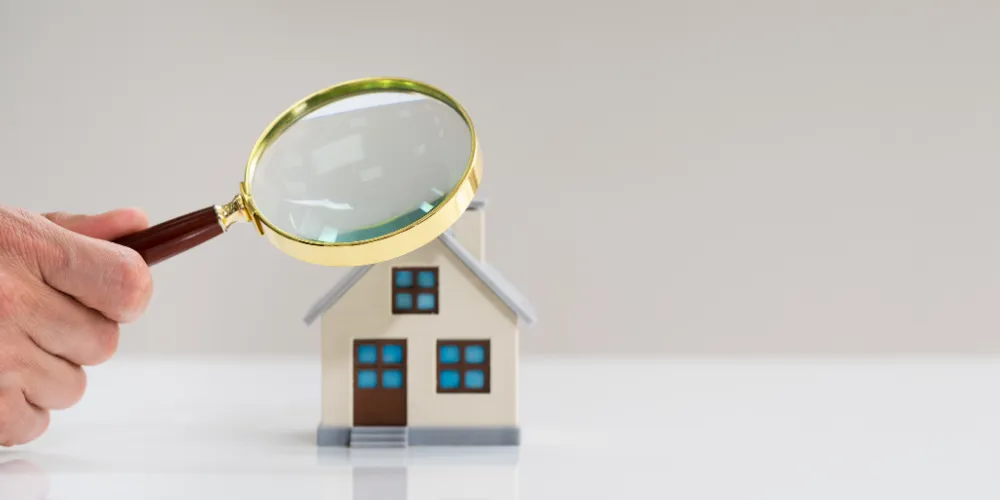
Home Inspection Cost Guide for 2025: What Buyers Should Expect
Purchasing a home is a significant investment, and ensuring its condition through a professional inspection is crucial. In 2025, the Home Inspection Cost 2025 varies based on several factors, including location, property size, and additional services. Home inspections provide buyers with a clear understanding of a property's structural integrity, electrical systems, plumbing, HVAC, and roofing condition. This insight helps prevent costly surprises after closing and ensures the investment is sound. By budgeting for a professional inspection, buyers gain peace of mind and leverage during negotiations, particularly if issues are uncovered that require repairs or further evaluation.
Beyond the standard inspection, many buyers opt for specialized assessments, such as radon testing, mold evaluation, or termite inspections, which can slightly increase the total cost but provide comprehensive protection. Understanding the average home inspection price and the cost of inspection when buying a house empowers buyers to plan financially and choose the right inspector for their needs. Ultimately, a thorough inspection safeguards the homeowner’s investment and sets the foundation for a safe, secure, and worry-free homeownership experience.
Average Home Inspection Price in 2025
According to recent data, the Average Home Inspection Price in 2025 ranges between $300 and $500. However, this can vary depending on the property's size, age, and location. For instance, larger homes or those in high-demand areas may incur higher inspection fees.
Typical Price Range: $300 – $500 for a standard home inspection in 2025.
Property Size Impact: Larger homes generally cost more to inspect due to increased square footage.
Age of Property: Older homes may require more detailed inspections, raising the cost.
Location Factors: High-demand or urban areas often have higher inspection fees.
Scope of Services: Additional services like radon, mold, or termite inspections can increase the total price.

Additional Inspection Services and Their Costs
While a standard home inspection covers essential systems like plumbing, electrical, and HVAC, buyers may opt for additional inspections to assess specific concerns:
Radon Testing: $100 – $200
Measures radon gas levels to ensure indoor air safety and compliance with health standards.Termite Inspection: $75 – $150
Detects termite activity or damage that could compromise the structural integrity of the home.Sewer Line Inspection: $200 – $300
Uses cameras to inspect sewer lines for blockages, leaks, or damage, preventing costly future repairs.Mold Testing: $300 – $500
Identifies the presence of mold or moisture issues that can affect health and property longevity.
These specialized inspections can provide a more comprehensive understanding of a property's condition.
Geographic Variations in Inspection Costs
Inspection fees can vary significantly based on location. For example:
New York: $450 – $500
Los Angeles: $330 – $400
Chicago: $320 – $380
Miami: $300 – $350
Atlanta: $320 – $380
Urban areas with higher living costs tend to have higher inspection fees.
Factors Influencing Home Inspection Costs
Several elements can impact the cost of a home inspection:
Property Size and Age: Larger or older homes may require more time and expertise to inspect.
Location: Areas with higher living costs often have higher inspection fees.
Specialized Services: Additional inspections for radon, mold, or termites can increase overall costs.
Inspector's Experience: Highly experienced or certified inspectors may charge premium rates.
Tips to Manage Home Inspection Expenses
Obtain Multiple Quotes: Contact several inspectors to compare prices and services.
Bundle Services: Some inspectors offer package deals for multiple services.
Negotiate Fees: Discuss pricing and potential discounts, especially for larger properties.
Plan Ahead: Schedule inspections during off-peak seasons when demand may be lower.
Examining Major Systems and Components
A home inspection is a thorough evaluation of a property’s condition, typically conducted by a certified professional before a purchase. It consists of examining major systems and components to identify potential issues or safety hazards. Key elements include:
Structural Components: Foundation, walls, ceilings, floors, doors, and windows to check for cracks, settlement, or damage.
Roofing System: Shingles, flashing, gutters, vents, chimneys, and overall roof condition to identify leaks or wear.
Plumbing: Pipes, faucets, water heaters, drains, and fixtures to detect leaks, corrosion, or functional problems.
Electrical System: Wiring, outlets, circuit breakers, and panels to ensure safety and code compliance.
Heating, Ventilation & Air Conditioning (HVAC): Furnace, air conditioner, ductwork, and thermostat functionality.
Appliances: Built-in appliances like ovens, dishwashers, and garbage disposals (if included in inspection scope).
Insulation & Ventilation: Attics, crawl spaces, and ventilation systems to prevent moisture buildup and improve energy efficiency.
Exterior Components: Siding, decks, patios, driveways, and grading for drainage or structural issues.
Interior Elements: Floors, walls, ceilings, and stairways for safety and functionality.
Some inspections also include optional tests, such as radon testing, mold assessment, termite inspection, or sewer line evaluation, depending on the buyer’s request.

Home Inspection Procedure
Scheduling & Preparation
Buyer contacts a certified home inspector to schedule the inspection.
Inspector reviews property details, including size, age, and any known concerns.
Buyer or their agent confirms access to all areas of the home.
Initial Walkthrough
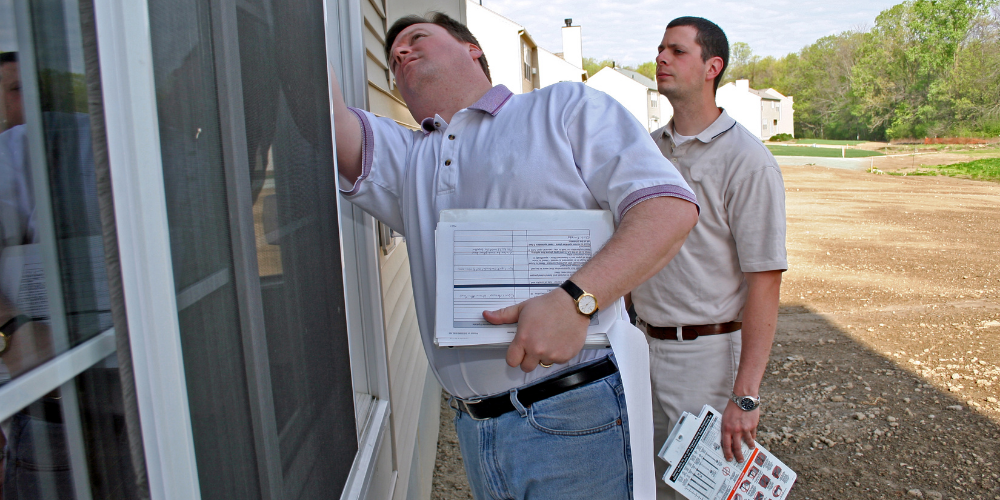
Inspector performs an exterior and interior walkaround to get an overall sense of the property.
They note any immediate safety hazards or obvious defects.
Exterior Inspection
Roof, gutters, siding, foundation, windows, doors, decks, patios, and grading are examined.
Look for signs of water damage, structural issues, or deterioration.
Interior Inspection
Walls, ceilings, floors, doors, windows, and stairways are assessed for structural integrity and functionality.
Plumbing, electrical systems, HVAC, and insulation/ventilation are inspected for proper operation.
Specialized Testing (Optional)
Radon, mold, termite, or sewer line inspections if requested by the buyer.
Moisture meters or thermal imaging may be used to detect hidden problems.
Detailed Documentation
Inspector takes photos, notes issues, and highlights areas needing attention or repair.
Observations are categorized by severity and safety impact.
Inspection Report Delivery
Buyer receives a comprehensive, easy-to-read report, usually within 24–48 hours.
Report includes photos, descriptions of issues, recommendations, and cost estimates for repairs if applicable.
Review & Consultation
Inspector may walk the buyer through the report to explain findings.
Buyer can ask questions and understand maintenance or repair priorities.
What Makes Halcomb Property Inspections Different?
Certified & Experienced Inspectors: Every inspector is professionally trained and certified, bringing years of hands-on experience to ensure accurate evaluations.
Thorough & Detailed Reports: Halcomb provides clear, photo-supported reports with actionable recommendations, making it easy for buyers to understand potential issues.
Advanced Technology: Utilizing tools like thermal imaging, moisture meters, and drones, Halcomb detects hidden problems that standard inspections might miss.
Customer-Focused Approach: They prioritize communication, answering all client questions during and after the inspection to provide peace of mind.
Local Expertise: Knowledge of regional property trends and climate-specific issues ensures inspections address local risks effectively.
Flexible Scheduling: Accommodates busy buyers with evening and weekend appointments to fit any timeline.
Comprehensive Services: Beyond standard inspections, they offer optional radon, mold, termite, and sewer line evaluations for a complete assessment.
Choosing Halcomb ensures a reliable, professional, and thorough inspection that protects your investment and provides confidence in your home purchase.
Quick Takeaways – Home Inspection Cost 2025
The Average Home Inspection Price in 2025 ranges from $300 to $500, depending on property size, age, and location.
Additional services like radon, mold, termite, or sewer inspections can increase the total cost by $100–$500.
Property size, age, and location significantly influence inspection fees; urban areas and larger homes often cost more.
Choosing a reputable inspector is crucial – check credentials, reviews, and recommendations from trusted sources.
Attending the inspection allows buyers to ask questions and gain firsthand understanding of potential issues.
Proactive inspections help prevent costly surprises, guide maintenance decisions, and provide negotiation leverage during purchase.
Budgeting for inspections ensures buyers are financially prepared and confident in their home investment.
FAQs
What does a standard home inspection include?
A standard home inspection typically covers the property's structure, roofing, plumbing, electrical systems, HVAC, and appliances. It also identifies potential safety hazards and maintenance issues that may not be immediately visible to the buyer.Are home inspection costs negotiable?
While some inspectors may offer fixed rates, it's worth discussing pricing and potential discounts, especially for larger properties or bundled services. Negotiating can sometimes include adding extra services or prioritizing urgent inspections without significantly increasing the cost.How can I find a reputable home inspector?
Seek recommendations from real estate agents, read online reviews, and verify credentials through professional associations like the American Society of Home Inspectors (ASHI). Additionally, checking for licensing requirements in your state ensures the inspector meets local regulatory standards.Is a home inspection required by law?
No, home inspections are not legally required. However, they are highly recommended to identify potential issues before purchasing a property. Skipping an inspection can result in unexpected repair costs or discovering major problems after the sale.Can I attend the home inspection?
Yes, it's advisable to attend the inspection to ask questions and gain a better understanding of the property's condition. Being present allows you to see issues firsthand and discuss maintenance tips directly with the inspector.
Conclusion
Understanding the Home Inspection Cost 2025 is essential for prospective buyers to budget effectively. While the Average Home Inspection Price provides a general idea, it's important to consider additional services and location-specific factors that can influence the total cost. Specialized inspections such as radon, mold, or termite assessments may add to the overall price but offer critical insights into a property’s condition. Being aware of these potential costs upfront allows buyers to plan their finances, avoid surprises, and negotiate effectively during the purchase process.
Being proactive with a home inspection also empowers buyers to make informed decisions about repairs, upgrades, or whether to move forward with the purchase. Attending the inspection, asking questions, and reviewing the detailed report can prevent costly mistakes and ensure the safety and longevity of the home. Ultimately, investing in a comprehensive inspection not only protects your financial investment but also provides peace of mind, helping buyers feel confident and secure in their new home.
Why Choose Halcomb Property Inspections?
Experienced Professionals: Halcomb Property Inspections employs certified and highly trained inspectors with years of hands-on experience in evaluating homes of all types and sizes.
Comprehensive Inspections: They provide thorough assessments covering structural integrity, roofing, plumbing, electrical systems, HVAC, and more, ensuring no detail is overlooked.
Advanced Technology: Utilizing modern tools like thermal imaging, moisture meters, and drones (for roof inspections), Halcomb ensures precise and accurate evaluations.
Clear, Detailed Reports: Clients receive easy-to-read reports with photos, explanations, and actionable recommendations, helping buyers make informed decisions.
Customer-Focused Approach: Halcomb prioritizes clear communication, answering all client questions during and after the inspection to ensure peace of mind.
Local Expertise: With in-depth knowledge of the area and typical property issues, Halcomb inspectors can identify climate- or region-specific concerns that generic inspections might miss.
Flexible Scheduling: They accommodate buyers’ timelines, including evenings and weekends, making the inspection process convenient and stress-free.
We’d Love to Hear From You!
Have questions about your upcoming home inspection or need guidance on budgeting for 2025? Reach out to our team today! Share your thoughts, experiences, or concerns, and let us help you make confident, informed decisions about your new home.
Your feedback matters—drop a comment, send us a message, or connect on social media. Have you had a home inspection before? Tell us what you learned, and don’t forget to share this guide with friends or family planning to buy a home soon!
References
National Association of REALTORS®. (2025, April 29). How Much Does a Home Inspection Cost in 2025? House Beautiful. Retrieved from https://www.housebeautiful.com/design-inspiration/real-estate/a64620639/how-much-is-home-inspection/
Home Inspections in Ohio. (2025). Home Inspection Costs in Ohio for 2025. Retrieved from https://homeinspectionsinohio.com/home-inspection-costs-in-ohio-for-2025/
Homeyou. (2025, May 6). Property Inspection in Cincinnati, OH - Costs 07/2025. Retrieved from https://www.homeyou.com/oh/property-inspection-cincinnati-costs
Angi. (2025, January 8). How Much Does a Home Inspection Cost? [2025 Data]. Retrieved from https://www.angi.com/articles/how-much-does-home-inspection-cost.htm
HomeAdvisor. (2025, April 16). How Much Does a Home Inspection Cost? [2025 Data]. Retrieved from https://www.homeadvisor.com/cost/inspectors-and-appraisers/hire-a-home-inspector/
Liberty Home Guard. (2025, April 14). Home Inspection Costs: What to Expect & How to Save in 2025. Retrieved from https://www.libertyhomeguard.com/blog/home-warranty-plans/home-inspection-costs/
Houzeo. (2025, June 11). How Much Does a Home Inspection Cost in Kentucky in 2025?. Retrieved from https://www.houzeo.com/blog/how-much-does-a-home-inspection-cost-kentucky/
Gerard Home Inspection. (n.d.). General Home Inspections. Retrieved from https://www.gerardhomeinspection.com/general-home-inspections
HomeGuide. (2024, October 29). How Much Does A Home Inspection Cost? (2025). Retrieved from https://homeguide.com/costs/home-inspection-cost
Yoursuperinspector. (2025, February 5). How Much Does a Home Inspection Cost? (2025). Retrieved from https://yoursuperinspector.com/blog/how-much-does-a-home-inspection-cost-in-2025-a-complete-pricing-guide/
