
House Inspection Before Buying: Your Ultimate Guide to Buying Smart
Buying a house. Big deal. Exciting. But also… kinda scary. You wanna know the place is solid. No hidden problems. No surprises. That’s why a house inspection before buying matters. It’s your safety net. Your peace of mind.
At Halcomb Property Inspections, we know what to look for. Leaky roofs. Strange wiring. Plumbing headaches. Stuff most people miss. Our inspectors? Honest. Sharp. Thorough. We don’t just check boxes. We break it down for you. Clear. Simple. No jargon.
Every home’s different. Every buyer too. We take our time. Walk you through the findings. Answer all the questions. Even the ones you didn’t think to ask. You leave knowing what’s really going on… and what it could cost you later.
Choosing Halcomb Property Inspections? Smart move. First house or fifth house. We make sure you’re buying smart. No guesswork. No regrets. Just the facts. And a little peace of mind.
Key Takeaways
✓ Uncover Hidden Issues – Spot problems before they cost you.
✓ Negotiate Smartly – Repairs, credits, or price reductions.
✓ Ensure Safety – Mold, termites, wiring hazards caught early.
✓ Know Your Home – Learn valves, HVAC, appliances, maintenance.
✓ Peace of Mind – Make confident, informed decisions.
What Is a House Inspection Before Buying?
A house inspection before buying is a thorough assessment of a property’s condition. It goes beyond a casual walk-through. Inspectors check everything—roof, plumbing, electrical, HVAC, foundation, and more.
The goal: reveal hidden problems, protect your investment, and give you negotiating power.
How It Differs From Other Inspections
Buyer’s property inspection: Typically focuses on core systems, structure, and safety.
Pre-purchase home inspection: May include specialized checks like radon, chimneys, pools, or septic systems.
Different names. Same goal: knowledge before commitment.

Why a House Inspection Before Buying Matters
Homes are expensive. Skipping an inspection? Risky.
Hidden Problems Can Cost You
Looks can be deceiving. Roof seems fine? Could be leaking underneath. Wiring looks modern? Could be unsafe. Plumbing? Might hide corrosion.
Example: The Johnsons bought a “move-in ready” home. Six months later, the roof leaked. $12,000 repair. A house inspection before buying would have revealed it and allowed negotiation.
Save Money
Inspection results = leverage. Request repairs, ask for a price reduction, or get credits. Often, the inspection pays for itself.
Safety First
Mold. Lead. Termites. Faulty wiring. Hazards you don’t want. Inspectors identify them before moving in.
Knowledge Is Power
Learn your home. Water valves. HVAC. Appliances. Maintenance tips. Avoid costly surprises.
What Inspectors Check
A house inspection before buying covers visible and hidden aspects.
Structure & Exterior
Foundation: cracks, settling, water intrusion
Walls/ceilings: water damage, structural issues
Roof: shingles, gutters, flashing, leaks
Exterior: siding, paint, drainage
Plumbing
Pipes: leaks, corrosion, outdated materials
Fixtures: sinks, showers, toilets
Water heater: age and condition
Drainage: slope and clogs
Electrical
Wiring: condition, safety, code compliance
Outlets & switches: functionality
Breaker panel: labeling, capacity
HVAC
Heating/cooling units: working and efficient?
Ventilation: airflow and filter condition
Maintenance tips and expected lifespan
Interior & Safety
Mold/mildew
Pest or termite damage
Smoke and CO detectors
Appliances
Optional Specialist Checks
Pools, chimneys, radon, septic—sometimes needed. Worth considering for full protection.
Step-By-Step Guide
Step 1: Schedule Early
After your offer is accepted. Before closing. Gives you negotiating leverage.
Step 2: Attend the Inspection
Be present. Watch. Ask questions.
“Where is the main water shut-off?”
“How old is the water heater?”
“Any signs of future repairs?”
Step 3: Review the Report
Photos. Notes. Recommendations. Major vs minor issues. Read carefully.
Step 4: Decide & Negotiate
Request repairs
Ask for a price reduction
Request credits
Walk away if major issues exist
Common Issues Found
Even “perfect” homes have hidden problems.
Roof & Structure
Missing shingles
Leaks
Foundation cracks
Plumbing & Electrical
Low water pressure
Corroded pipes
Outdated wiring
Safety & Health
Mold/mildew
Termite damage
Non-working detectors
Cosmetic vs Critical
Chipped paint? Cosmetic.
Foundation crack? Critical. Big difference.
Real-Life Stories
Smiths: Mold behind cabinets. Negotiated repairs. Saved $10k.
Alex: First-time buyer. Learned HVAC, valves, appliances. Confident move-in.
Maria: Investor. Outdated wiring. Negotiated price reduction. Planned upgrades. Resale value up.
Tips to Maximize Your Inspection
Hire a Licensed Inspector – Credentials matter.
Ask Questions – Don’t hesitate.
Get Detailed Report – Photos, notes, recommendations.
Consider Specialists – Pools, chimneys, radon, septic.
Take Notes – Useful for negotiations and maintenance.
Use a Checklist – Ensure nothing is missed.
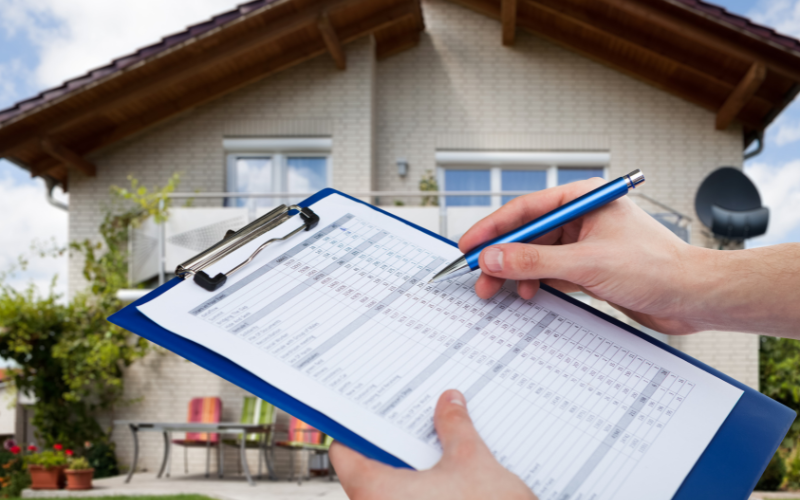
Pre-Purchase Home Inspection Checklist
Exterior & Roof
Shingles: missing/cracked
Gutters: clear
Siding: cracks or rot
Foundation: visible cracks
Plumbing
Water pressure normal
Leaks under sinks
Water heater condition
Pipes: corrosion or damage
Electrical
Wiring: exposed/outdated
Outlets: functional and grounded
Breaker panel: functional
Interior & Safety
Mold or water stains
Smoke/CO detectors functional
Doors/windows work
Appliances operational
Negotiation Strategies
Request repairs
Ask for price reduction
Request credits
Walk away if major issues exist
Tip: Focus on safety and structure first. Cosmetic issues are secondary.
Financial Benefits
Avoid surprise costs – Inspections uncover issues early.
Leverage in negotiations – Detailed reports = bargaining power.
Protect long-term value – Fix small problems before they get bigger.
FAQs
Q1: How long does a house inspection before buying take?
2–4 hours depending on home size.
Q2: Can I attend?
Yes. Watch, ask, learn.
Q3: Mandatory?
No. But skipping it is risky. Hidden problems can cost thousands.
Q4: What if major issues are found?
Negotiate repairs, request credits, or reconsider purchase.
Q5: Cost?
Varies. Small investment for peace of mind.
Conclusion
A house inspection before buying isn’t just a checklist. It’s protection. Knowledge. Confidence. Avoid surprises. Negotiate smart. First-time buyer or investor, inspections are worth every penny.
Call to Action
Don’t risk your dream home. Contact Halcomb Property Inspections today. Schedule a house inspection before buying. Buy smart. Sleep easy. Protect your investment.
