
How Long Does a Home Inspection Take? (2025 Timeline)
Navigating a home inspection can be nerve-wracking—especially when you're racing to close. If you’re searching for a clear understanding of the home inspection timeline 2025 or wondering how long does inspection take, you're in the right place. In today’s environment, inspection duration depends on several dynamic factors—from property size to inspector protocols.
In this guide, we'll break down the inspection duration by home size, explore the variables that affect timing, and highlight how 2025 has introduced new trends like virtual walkthroughs and extended safety measures. You'll also get a helpful FAQ section, a blueprint-style timeline chart, and actionable tips to ensure your inspection goes smoothly. When you're armed with realistic expectations, you position yourself confidently at the closing tables.
What Is the Home Inspection Timeline 2025?
Average Duration Overview
Most home inspections in 2025 last 2 to 4 hours on-site—the same as in previous years. New practices may slightly extend times due to digital tools or client engagement.
What Defines Inspection Duration
It's not just about walking and clicking. Inspectors assess structural components, roofing, electrical, plumbing, HVAC—all of which demand time to evaluate thoroughly.
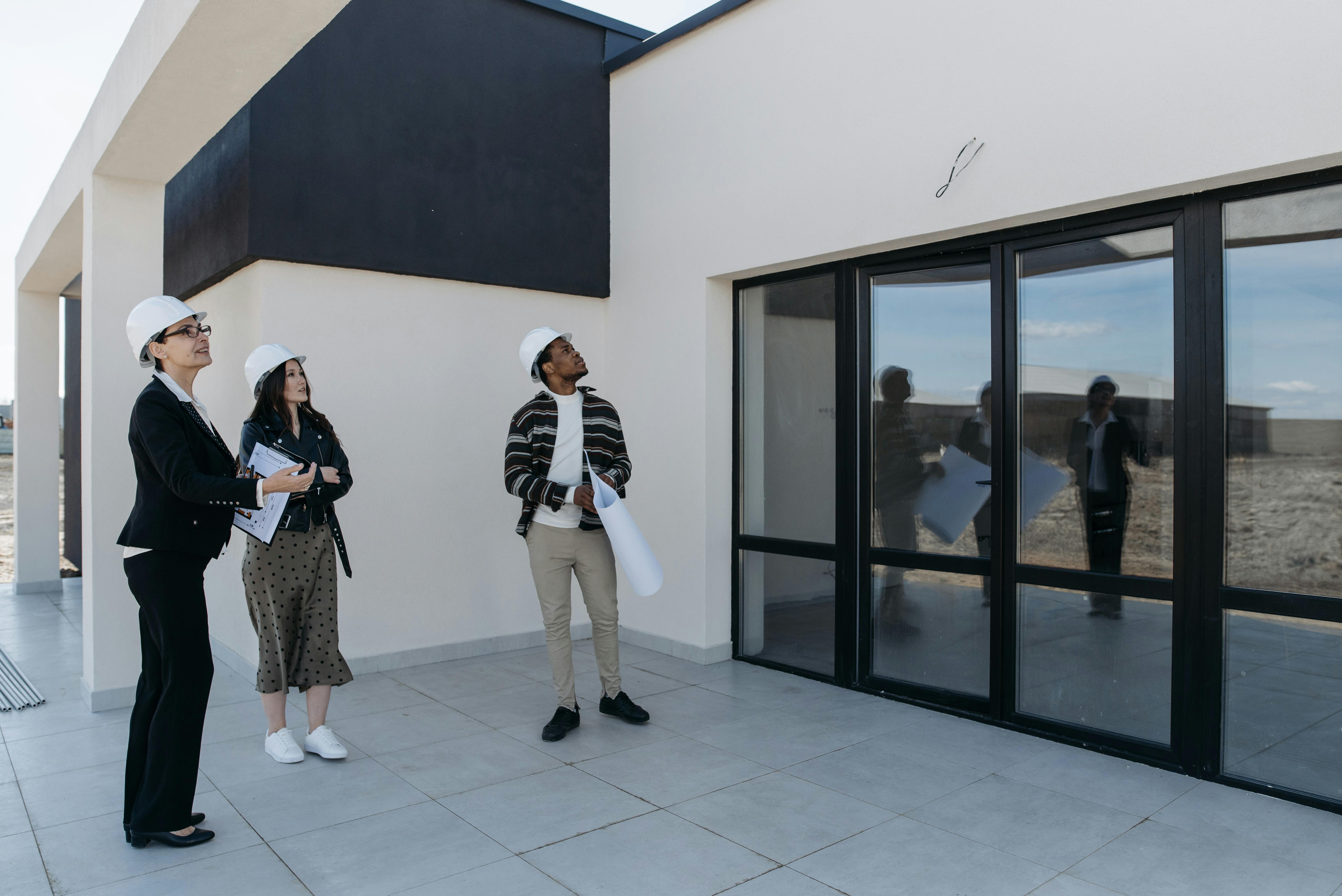
How Long Does Inspection Take Based on Home Size
Small Homes & Condos
Condos and compact homes under 1,000 sq ft often take 1 to 2 hours.
Medium to Large Single-Family Homes
1,000–2,000 sq ft: Typically 2–3 hours.
2,000–4,000 sq ft: 3–4 hours minimum.
Every additional 500 sq ft beyond that adds roughly 30 minutes.
Very Large Estates & Multi-Unit Properties
Homes over 4,000 sq ft—or with special features like pools, multiple HVAC systems, outbuildings—can stretch beyond 4–6 hours, sometimes requiring multiple visits.
Square footage: More rooms, hallways, and structural elements to check.
Pools & spas: Safety, plumbing, and mechanical systems add inspection layers.
Multiple HVAC systems: Each unit needs a full test and documentation.
Outbuildings or guest houses: Additional structures must be inspected separately.
Luxury features: Smart home systems, elevators, or wine cellars extend timelines.
Multi-unit dwellings: Each unit requires a full inspection, multiplying total time.
Key Factors Affecting Inspection Timeline
Home Age & Condition
Older homes or those showing signs of wear typically require more in-depth investigation, which can extend inspection time. Inspectors need to carefully review aging systems, past repairs, and potential hidden issues.
Outdated systems: Old electrical wiring, plumbing, or HVAC require detailed checks.
Foundation wear: Settling, cracks, or uneven floors demand closer evaluation.
Previous repairs or DIY fixes: Inspectors must confirm whether they meet code.
Building materials: Older materials (like asbestos or lead paint) may require special attention.
Hidden damage: Moisture stains, termite evidence, or sagging structures extend the inspection process.
Systems Complexity & Outbuildings
Homes with multiple or specialized systems often require extended inspection time. Separate living spaces, unique utilities, and additional structures add more steps to the process.
Multiple HVAC units: Each unit needs testing for performance and efficiency.
Separate plumbing/electrical systems: Inspectors must check each independently.
Guest houses or in-law suites: Entire secondary living areas add hours to inspection.
Pools, spas, or saunas: Specialized systems require safety and functionality checks.
Detached garages, barns, or workshops: Additional structures expand the inspection scope.
Smart home or solar systems: Newer technologies demand extra review for compliance and operation.
Inspector's Experience & Tools
The inspector’s skill level and equipment play a big role in how smoothly and quickly the inspection is completed.
Years of experience: Seasoned inspectors often identify issues faster without overlooking details.
Advanced tools: Thermal imaging, moisture meters, and drones speed up detection of hidden problems.
Efficient reporting software: Digital templates streamline documentation and report delivery.
Familiarity with property type: Specialized knowledge (historic homes, multi-units, luxury estates) reduces guesswork.
Training & certifications: Higher qualifications can lead to more accurate, timely evaluations.
Attention to detail: Experienced inspectors balance efficiency with thoroughness, avoiding missed red flags.
Weather & Accessibility
Uncontrollable factors like weather conditions and property access can directly impact inspection duration.
Heavy rain or snow: Limits roof, exterior, and foundation checks; may require a follow-up visit.
High winds or storms: Unsafe for ladder work or drone usage during roof inspections.
Extreme heat/cold: Slows down attic, crawl space, or exterior evaluations.
Cluttered interiors: Furniture, storage boxes, or blocked access points delay inspections.
Locked or restricted areas: Gates, garages, or utility rooms must be accessible for full evaluation.
Rescheduling needs: Severe weather or inaccessible areas can push inspections to another day.

Typical Report Delivery Timeline
On-Site vs. Remote Reporting
While some inspectors talk you through findings on-site, most compile reports afterward—taking 1–3 business days to deliver.
On-Site Reporting:
The inspector walks you through the property as issues are found.
Immediate answers to your questions about systems, repairs, or concerns.
Visual confirmation of problem areas while still at the property.
Allows real-time discussion with your agent or contractor if needed.
Remote Reporting:
Detailed written reports delivered within 1–3 business days.
Includes photos, diagrams, and notes for thorough documentation.
Virtual walkthroughs or video summaries can simulate an in-person experience.
Convenient for buyers who cannot attend the inspection in person.
Same-Day vs. Multi-Day Turnaround
Larger or more complex cases may push report delivery longer. Ask your inspector for their process so you’re not left guessing.
Same-Day Reports:
Ideal for smaller homes, condos, or simpler inspections.
Immediate access to findings for faster decision-making.
Helps buyers stay on schedule with offers and contingencies.
Typically concise but still highlights key issues clearly.
Multi-Day Reports:
Necessary for larger, older, or complex properties.
Provides thorough documentation, including photos, diagrams, and detailed notes.
Ensures nothing is overlooked in multi-unit homes, estates, or homes with specialized systems.
May include a virtual walkthrough or in-depth analysis for added clarity.
2025 – What’s Changed in the Home Inspection Process
Virtual Tools & Remote Attendance
Adoption of infrared cameras, video call walkthroughs, and drone footage is on the rise—helping reduce on-site time while maintaining detail.
Client Debrief Practices
Inspectors now often separate the physical walk-through from client debriefing, hosting the latter virtually or after cleanup—adding flexibility but sometimes time.
Time Extensions for Safety Protocols
Pandemic-era protocols now standard—like sanitizing contact surfaces—can slightly extend time on site (e.g., another 15–30 minutes).
Timeline Chart Concept (by Home Size)
Visual Diagram: A horizontal bar chart labeled:
Condo / <1,000 sq ft → 1–2 hrs
1,000–2,000 sq ft → 2–3 hrs
2,000–4,000 sq ft → 3–4 hrs
4,000+ sq ft / Complex → 4–6+ hrs
Alt Text: “Home inspection duration timeline by home size in 2025.”
Importance of Home Inspections
A home inspection is a critical step in the home-buying process that protects your investment, ensures safety, and provides negotiation leverage. Skipping it can lead to costly surprises and long-term headaches. Here’s why it matters:
Identify Hidden Issues: Inspectors uncover problems that aren’t visible to the untrained eye, such as foundation cracks, water damage, electrical hazards, or roof leaks.
Safety Assurance: Inspections check for carbon monoxide, mold, faulty wiring, or structural weaknesses that could endanger occupants.
Negotiation Power: A thorough report gives buyers leverage to request repairs, price reductions, or seller concessions before closing.
Long-Term Savings: Catching minor issues early prevents them from becoming expensive repairs later.
Peace of Mind: Knowing the true condition of your property reduces stress and uncertainty during the buying process.
Informed Decision-Making: Helps buyers make educated choices about whether to move forward, renegotiate, or walk away.
Documentation: Provides a record of the home’s condition at the time of purchase, useful for future maintenance and insurance purposes.
Why Choose Halcomb Property Inspections
Halcomb Property Inspections stands out for its professionalism, thoroughness, and reliability. Here’s why homeowners and buyers trust us:
Experienced Inspectors: Our certified inspectors have years of hands-on experience across all property types.
Comprehensive Reports: Receive detailed, easy-to-understand reports with photos, notes, and recommendations.
Advanced Tools: We use thermal imaging, moisture meters, and other technology to uncover hidden issues.
Timely Service: Inspections and reports are delivered quickly, helping you stay on schedule.
Transparent Communication: We explain findings clearly and answer all your questions during and after the inspection.
Customer-Focused: Our goal is to empower buyers and sellers with knowledge, ensuring peace of mind.
Flexible Scheduling: We accommodate your timing needs, including evenings or weekends.
Quick Takeaways
A standard home inspection takes 2–4 hours, though small units may take just 1–2 hours, and large estates can exceed 6 hours.
Every 500 sq ft above standard adds ~30 minutes.
Older homes, complex systems, and poor weather all lengthen the process.
Modern tools and virtual debriefing may streamline timelines.
Report delivery typically happens within 1–3 business days.
Understanding the home inspection timeline 2025 helps buyers plan confidently and avoid surprises.
Conclusion
The inspection duration sets the tone for your final steps toward homeownership. By knowing how long the inspection takes, you avoid surprises and can plan the rest of your closing process with confidence. Whether you’re buying your first home or upgrading to your dream property, being aware of the average home inspection timeline 2025 helps you move forward with clarity. Being proactive about scheduling and attending the inspection ensures you have all the information needed to make informed decisions.
It’s also important to recognize the factors that influence inspection time—such as property size, age, and condition. With this knowledge, you can better prepare, stay engaged during the process, and use the findings strategically when it comes to negotiations or future maintenance planning. The more informed you are, the smoother your journey to closing will be. Understanding these variables also helps you set realistic expectations and avoid unnecessary stress on inspection day.
Call-to-Action
Need personalized guidance? Download our Inspection Timing Planner PDF or contact Halcomb Property Inspections today for a reliable timeline estimate. We’ll make sure your 2025 home inspection fits seamlessly into your schedule and keeps your closing journey right on track.
FAQs
How long does a home inspection typically take?
Usually 2 to 4 hours, depending on home size and condition. Condos or smaller homes may only take 1–2 hours. Larger single-family properties or those with multiple systems (like pools, septic tanks, or several HVAC units) take longer. It’s smart to block extra time so you can join the walkthrough and ask questions directly.Does larger square footage increase inspection time?
Yes—expect an extra 30 minutes per 500 sq ft beyond 2,000 sq ft. Bigger homes mean more rooms, wiring, plumbing fixtures, and roofing to evaluate. Luxury or custom-built homes with unique features may take most of the day for a thorough inspection.How long until I get the inspection report?
Most inspectors deliver the report within 1–3 business days, though some offer same-day delivery. Quick turnaround is critical in competitive markets where negotiation windows are short. A professional report includes not only checklists, but also photos, detailed notes, and repair recommendations.Do older homes take longer to inspect?
Typically, yes. Older homes often have more wear, outdated systems, or repairs done without permits, which require extra attention. Inspectors spend additional time documenting safety hazards, aging infrastructure, and suggesting upgrades to meet modern standards.Are inspection timelines different in 2025?
Yes—slight changes reflect updated safety protocols, use of virtual tools, and remote debriefing sessions. While this may add 15–20 minutes to the process, digital reporting and video summaries often speed up communication. In 2025, the goal is balancing efficiency with thorough, transparent inspections.
Engagement Message
Was this guide helpful in setting your inspection expectations? Let me know—what size home are you looking at, and how much time did your inspector schedule? Share your thoughts below, and if this helped, give it a like or pass it along to a friend getting ready to close!
References
Stonebriar Property Inspections – inspection duration trends and pandemic impacts Stonebriar Property Inspections
NPI Web – typical on-site time and report turnaround National Property Inspections
Kees Lending – home inspection time frames in 2025 Kees Lending
HomeGauge – time estimates per square footage HomeGauge
ListwithClever – average time and next steps Clever Real Estate
Angi – inspection hours by structure type Angi
HomeBaseCU – duration variations by home type Default
EZHomeInspectionSoftware – factors influencing timeline EZ Home Inspection Software
CarsonDunlop – duration breakdown by home size Carson Dunlop
The Spruce – average times and follow-up inspections The Spruce
Advanced Home Inspect – 2025 standard duration insights Advanced Home Inspections
Wall Street Journal via news23 – inspection value and pre-offer trends Wall Street Journal
