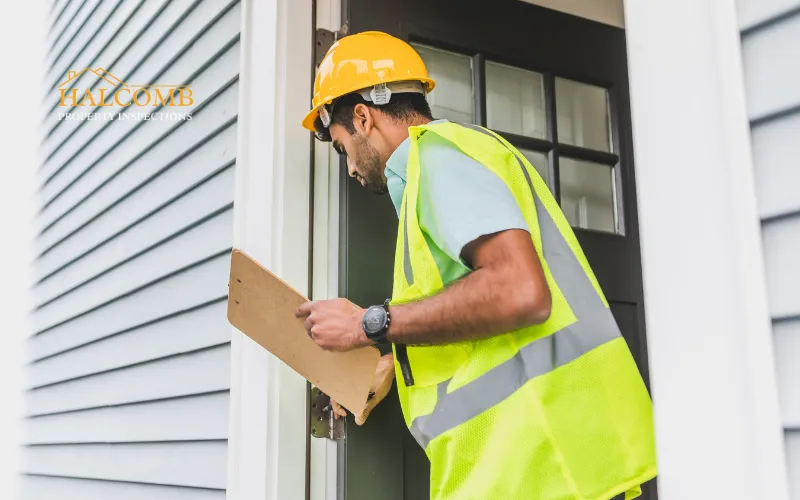
How Long Does a Residential Home Inspection Take?
A residential home inspection usually takes 2 to 4 hours for an average-sized single-family home. Larger homes, older properties, or inspections that include additional services can take 4 to 6 hours or longer. The exact timing depends on the home’s size, age, condition, and how detailed the inspection needs to be.
A residential home inspection plays a key role in purchase timelines, repair negotiations, and long-term confidence in the property. When inspections feel rushed or disorganized, important details can be missed. A well-planned inspection, on the other hand, provides clarity without unnecessary delays.
This guide explains how long a residential home inspection usually takes, what factors influence the timeline, and how experienced inspectors keep the process efficient while maintaining quality.
Key Takeaways
Most residential home inspections take 2 to 4 hours
Larger or older homes may require additional inspection time
Thorough inspections reduce delays during negotiations
Clear documentation prevents unexpected repair costs
Experience improves inspection quality without rushing
What Are Residential Home Inspection Services?
Residential home inspection services are designed to provide a clear snapshot of a property’s condition at a specific point in time. The goal isn’t to identify cosmetic imperfections or predict future failures. It’s to evaluate what’s functioning properly, what isn’t, and what deserves attention before ownership changes hands.
A standard inspection includes a detailed review of major systems and accessible components, including the foundation, roof, electrical system, plumbing, HVAC, attic, and interior areas. Inspectors move through the home systematically, documenting visible concerns and explaining why they matter.
Some inspections are straightforward, while others are more involved. A newer home with modern systems may take less time than an older property with layered repairs or outdated components. Full-service inspections may also include optional evaluations that extend the timeline but provide deeper insight.
Behind the scenes, inspectors prepare before arriving, follow Arizona inspection standards, and organize findings into reports that are clear, detailed, and easy to understand.
What Goes Into a Residential Home Inspection?
A residential inspection service is designed to give buyers, sellers, and homeowners a clear understanding of a property’s condition at a specific moment in time. Rather than focusing on cosmetic details, the inspection evaluates the home’s structure, systems, and safety components to identify issues that may affect livability, value, or future maintenance.
While no two homes are exactly alike, professional inspections follow a consistent process that ensures major components are reviewed thoroughly and documented clearly.

What Does a Residential Home Inspection Cover?
Comprehensive residential inspection services in Avondale, AZ, examine both the interior and exterior of the property. Below is an overview of the primary areas inspectors evaluate.
Foundation
The inspector evaluates the foundation for visible cracks, movement, moisture intrusion, or signs of settling that could indicate structural concerns.
Exterior
Exterior components are reviewed for damage, deterioration, or improper installation. This includes roofing materials, siding, trim, gutters, downspouts, windows, doors, decks, patios, and visible grading around the home.
Interior
Interior spaces are inspected for structural integrity and signs of moisture or wear. Walls, ceilings, floors, doors, windows, and trim are examined for cracks, stains, uneven surfaces, or other concerns that may indicate underlying issues.
Plumbing System
Accessible plumbing components are checked for leaks, corrosion, water pressure issues, and proper drainage. This includes visible supply lines, drain lines, fixtures, and connections under sinks or in accessible spaces.
Electrical System
The electrical system is assessed for safety and functionality. Inspectors review the electrical panel, breakers, visible wiring, outlets, switches, and grounding to identify potential hazards or outdated components.
HVAC System
Heating and cooling systems are operated and evaluated for basic functionality. Inspectors review visible equipment, ductwork, and ventilation to ensure systems appear to be operating as intended at the time of inspection.
Built-In Appliances
Built-in kitchen appliances such as ovens, dishwashers, microwaves, and range hoods are typically tested to confirm basic operation.
How Long Does a Residential Home Inspection Take on Average?
Because every property is different, inspection times can vary. Several factors influence how long a residential home inspection may take.
Size and Age of the Home
Larger homes naturally take longer to inspect due to increased square footage and systems. Older homes may require additional time because of outdated materials, previous repairs, or aging components.
Overall Condition
Homes with deferred maintenance or visible deterioration often require more detailed evaluation and documentation.
Accessibility
Limited access to crawl spaces, attics, panels, or mechanical systems can extend inspection time, especially if safe entry requires additional steps.
Complexity of the Property
Homes with multiple HVAC units, additions, detached structures, or accessory dwelling units typically require more time to inspect thoroughly.
Inspector Experience
Experienced inspectors work efficiently while maintaining a systematic approach. Efficiency comes from organization and knowledge, not rushing.
Residential Home Inspection Time Comparison

Why this matters:
Understanding the home inspection timeline helps buyers plan showings, negotiations, and follow-up inspections without feeling rushed. Longer inspections often indicate a more detailed evaluation, not inefficiency.
How to Schedule a Residential Home Inspection
Scheduling a home inspection is typically straightforward. Once you’ve selected an inspector, you’ll need to provide:
The property address
Contact information
Names of buyers or homeowners
Preferred inspection date and timeframe
Most inspection companies offer phone or online scheduling for convenience.
Who Schedules a Home Inspection?
In most real estate transactions, the buyer or the buyer’s agent initiates the home inspection. The buyer selects a qualified inspector and schedules the inspection within the contract’s inspection period.
In some cases, sellers order pre-listing inspections to identify issues before putting the home on the market. Homeowners who are not selling may also schedule inspections from residential home inspectors near me for routine evaluation, maintenance planning, or peace of mind.
Should You Attend the Home Inspection?
While attendance isn’t required, it is strongly encouraged for buyers and homeowners to attend at least part of the inspection if possible.
Being present allows you to:
Ask questions in real time
See issues firsthand instead of relying solely on photos
Better understand maintenance priorities
Gain clarity on what is urgent versus informational
The inspection is an educational opportunity, and attending helps you get the most value from the process.
Does a Realtor Schedule the Home Inspection?
Real estate agents often help coordinate inspections for their clients, especially during busy transaction periods. While this can be helpful, buyers are encouraged to research the inspection company themselves.
Reading reviews, understanding the inspector’s experience, and confirming credentials helps ensure you’re comfortable with the professional evaluating the property. Ultimately, the inspection serves the buyer’s interests, so involvement in the selection process is beneficial.

Who Is Qualified to Perform Home Inspections?
Residential home inspections are performed by licensed or certified inspectors, depending on state requirements. Inspectors undergo training, testing, and continuing education to stay current with building standards and inspection practices.
When choosing an inspector, look for:
Proper licensing or certification
Experience with similar properties
Clear reporting practices
Strong client reviews
Professional inspectors follow established standards of practice and focus on providing clear, unbiased information.
Read also: Comprehensive Home Evaluation: Know What You’re Really Buying
Frequently Asked Questions
Will the inspector focus on specific concerns I have?
Yes. Inspectors can pay extra attention to areas of concern, such as roofing, electrical systems, or moisture issues, during the inspection.
What happens if the inspector finds a major issue?
Finding an issue doesn’t automatically mean walking away. Inspection results are used to inform negotiations, repairs, or future planning.
Do I need to stay for the entire inspection?
No, but attending at least a portion is recommended so you can ask questions and better understand the findings.
How much does a residential home inspection cost?
Costs vary based on home size, age, and services included. Pricing is typically discussed upfront before scheduling.
Are inspection reports provided after the visit?
Yes. Professional inspectors provide a detailed report outlining findings, often within the same day.
How Halcomb Property Inspections Supports Informed Decisions
Halcomb Property Inspections provides thorough, unbiased residential home inspections designed to give clients clear insight into the condition of their property. Every inspection is conducted with attention to detail, transparent communication, and respect for the buyer’s or homeowner’s investment.
To schedule a residential home inspection, contact us or book directly through the website.
