What Pest Inspections Check On Desert-Edge Homes?
Pest inspections on desert-edge homes check for live activity, past damage and the conditions that invite pests in. For pest assessments in Scottsdale AZ, that means scorpions, rodents, termites and the gaps they use. Halcomb Property Inspections photographs what we find and delivers the report within 24 hours, usually the same day.
By Alex & Jeff, Certified Home Inspector · Last updated November 19, 2026
What do pest inspections look for on a desert home?
Pest inspections look for three things: signs of pests now, damage from pests before, and conditions that make the next problem likely. On a desert home, those signs are often small and easy to miss in daylight.
Here's what we look for during a pest inspection, pest by pest:
Pest | Evidence we look for | Where it usually shows up |
|---|---|---|
Bark scorpions | Dead scorpions, shed skins, old glue traps | Garage corners, light fixtures, under sinks |
Roof rats | Droppings, gnaw marks, rub marks | Attic, garage storage, AC line covers |
Pack rats | Stick-and-debris nests, chewed wiring | Under vehicles, cactus bases, block wall corners |
House mice | Droppings, nesting in insulation | Kitchen cabinets, water heater closets |
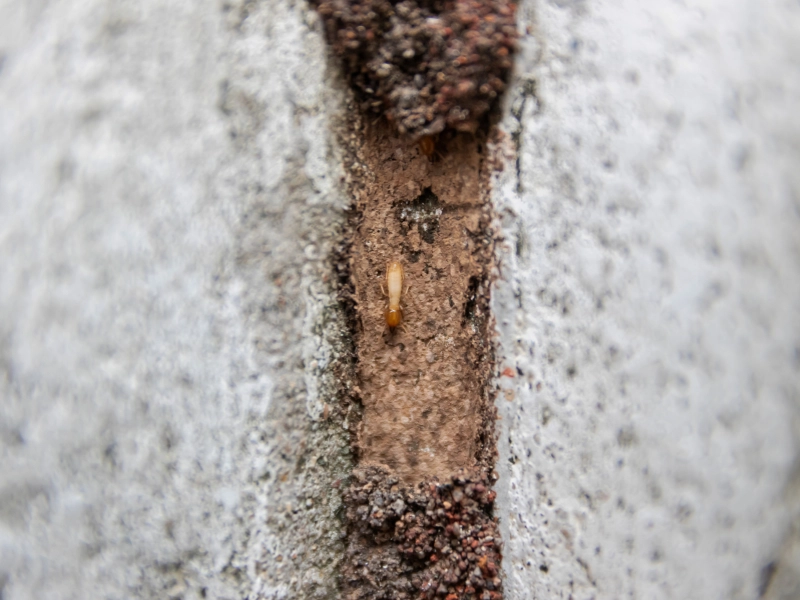
Subterranean termites | Mud tubes, damaged wood | Slab edges, garage walls, door frames |
A pest inspection is not a treatment. Our job is to find and document the evidence. Treatment, by contrast, has to come from a licensed pest management company.
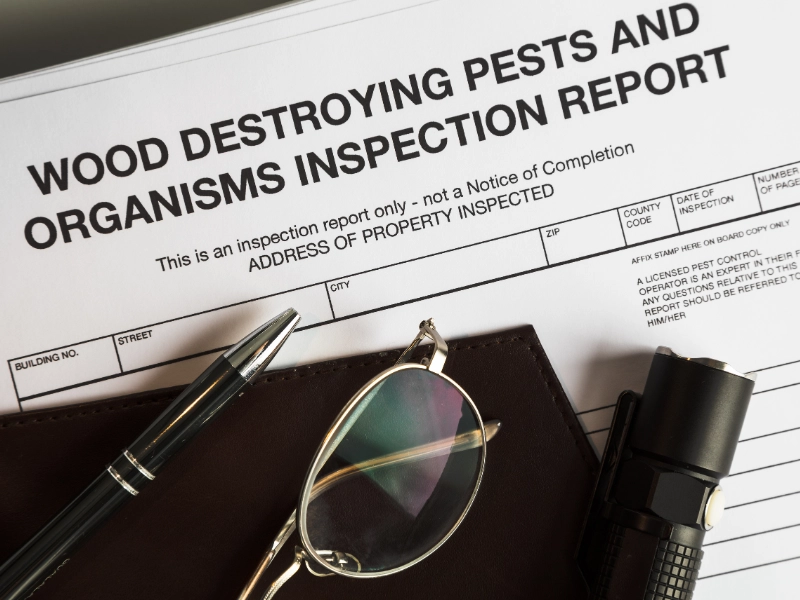
Termites also have their own paperwork in Arizona. If your lender needs a formal termite report, our guide to pest inspection services in Scottsdale explains how that report works.
Why are scorpions and desert pests different from pests elsewhere?
Scorpions and desert pests behave differently because the desert pushes them toward the shade, water and shelter that houses provide. In most of the country, pests come in for food. Here, however, they come in mostly for moisture and cooler hiding spots.
The Arizona bark scorpion is the one that matters most. According to the University of Arizona's guide to desert scorpions, it's the only scorpion of medical concern in the U.S. It also climbs well, crossing walls and even ceilings.
That guide adds a few habits worth knowing:
They hide in crevices during the day, including inside building wall voids
They're most active at night, with nighttime temperatures above 70°F ideal
They move after watering, when irrigation or monsoon rain floods them out of hiding
They cluster in winter, often in groups inside sheltered, undisturbed spaces
That last habit catches many buyers off guard. A house can look clear in January, then show scorpions by May. So we read the property as a whole, not just the day of the visit.
Other desert pests follow the same pattern. Black widows, for example, favor the same dark, dry corners in garages and meter boxes. As a result, where we find one desert pest, we often find several.
What do rodents in desert landscaping do to a house?
Rodents in desert landscaping eventually move from the yard into attics, garages and vehicles, where they cause real damage. The two we see most are roof rats and pack rats, and they behave very differently.
Roof rats are climbers. The University of Arizona notes that they gnaw on wiring, which creates a fire hazard, and tear up insulation for nesting. They also travel along trees, vines, wires and rooftops to reach an attic.
Pack rats, on the other hand, stay closer to the ground. They build large stick-and-debris nests and often move into engine bays and AC equipment. In addition, their nests can carry kissing bugs, whose bites can trigger serious allergic reactions.
During an inspection, rodent damage tends to show up as:
Chewed wiring at the AC condenser or garage door opener
Flattened or tunneled insulation in the attic
Droppings along garage shelving and water heater closets
Gnawed drip lines in the irrigation system
Rodent damage often shows up in other parts of the report too. For example, a chewed wire might appear as an electrical finding. That's why our residential property inspections and pest findings are read together.
Buying a home near open desert?
Call or text: (480) 273-9328
Available Mon–Sun, 6:00 am – 9:00 pm
Free estimate, with your report in 24 hours.
What does exclusion work involve after the report?
Exclusion work means sealing the gaps pests use, so treatment isn't the only line of defense. It's usually inexpensive, and it often makes a bigger difference than spraying alone.
The University of Arizona's Pest-Proofing Your Home guide gives clear size limits. A gap of a quarter inch, about the width of a pencil, lets young mice in. A half-inch gap is enough for young rats.
A typical exclusion list after our report includes:
Door sweeps and weatherstripping on every exterior door, including the garage
Steel mesh over weep holes, which keeps them open for ventilation but closed to pests
Sealant around pipes and AC lines where they pass through stucco
Quarter-inch hardware cloth over attic, roof and crawl space vents
Weep holes need special care. Plugging them traps moisture inside the wall. Instead, they should be screened, which is why we point them out by location in the report.
Most of this work is simple for a handyman or a pest company. However, any chemical treatment has to come from a licensed pest management business. So we write the findings in a way either one can act on.
How should buyers use pest findings during the inspection period?
Buyers should treat pest findings like any other repair item and address them inside the inspection period. In Arizona, the standard purchase contract gives buyers a short window to inspect and request repairs. Our guide to the Arizona 10-day inspection period explains how that window works.
Pest findings usually lead to one of three requests:
Treatment before closing, by a licensed pest management company
Exclusion repairs, such as door sweeps, screens and sealed penetrations
A credit, so you can handle the work yourself after moving in
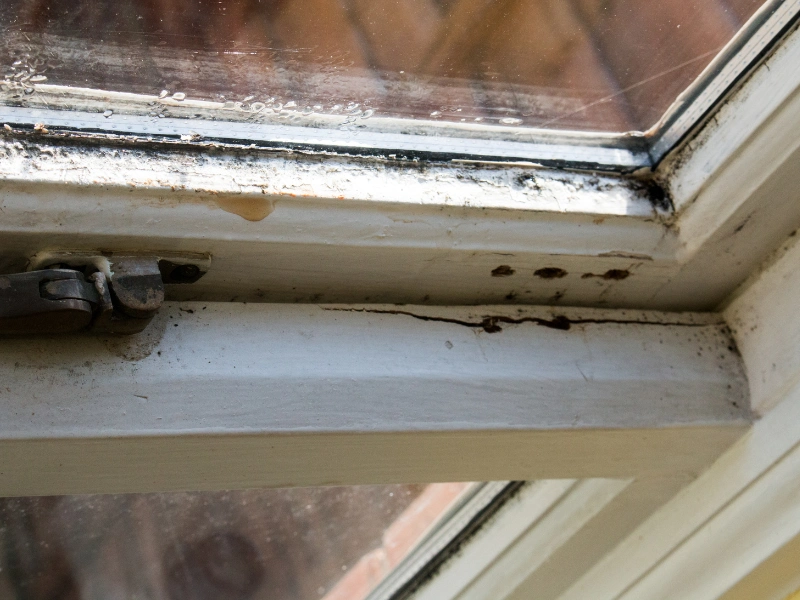
Photos matter here. A clear photo of a nest or shed skins makes a much stronger request than a general note. That's why every pest finding in our report includes images and a plain-language next step.
If the home has a pool, ask about the equipment area too. Pool pumps and covered equipment pads are common shelter spots. Our pool inspections check that equipment in the same visit.
Where do we do pest inspections around Scottsdale?
We do pest inspections across Scottsdale and the desert communities to its north and east. These are the areas where homes most often sit right against open desert or washes.
If you're looking for pest assessments near Scottsdale and Cave Creek AZ, we regularly inspect in:
North Scottsdale, including McDowell Mountain Ranch, DC Ranch, Troon and Pinnacle Peak
Cave Creek and Carefree, where many lots back onto desert
Fountain Hills and Rio Verde to the east
Paradise Valley and central Scottsdale
Our Scottsdale home inspection page covers the rest of our local services. You can also see every area we serve on our locations page.
Frequently asked questions
1. How do scorpions actually get inside, and where do they come in?
Scorpions get inside through gaps under doors, loose window vents, weep holes and openings around pipes, since a bark scorpion needs only a crack about one-sixteenth of an inch wide. If you're asking how do scorpions get into a house, the main entry points and exclusion fixes are the door bottoms, the wall penetrations and the garage, where seals are usually weakest.
2. Can you tell a house has them before you move in?
Often you can, because dead scorpions, shed skins, old glue traps and pest service receipts in the seller disclosures all point to activity. If you're wondering how do you tell if a house has a scorpion problem, a UV flashlight walk around the yard and garage after dark is the most reliable check, since scorpions glow under black light.
3. Does backing onto open desert change the risk that much?
Yes, a lot, because homes on the edge of open desert or a wash get steady pressure from scorpions, pack rats and other wildlife moving in from natural habitat. Checking a desert-adjacent Scottsdale home for scorpions and rodents means looking hardest at the rear wall, the yard gate and any side of the house facing the desert.
4. What in the landscaping and the block walls makes it worse?
Hollow block walls are a favorite hiding place for bark scorpions, and irrigated landscaping adds the moisture and insects they feed on. What attracts desert pests to a home is usually that combination of water, dense shrubs touching the house, rock piles and palm or citrus trees that give roof rats a path to the roof.
5. Is this part of the main assessment or a separate visit?
We can include the pest assessment in the same visit as your home inspection, which saves a second appointment and keeps everything inside your inspection period. If you need a formal termite report or treatment, that comes from a licensed pest management company, and we'll tell you when you book.
Visit or Call Us
Halcomb Property Inspections
Phone: (480) 273-9328
Hours: Mon–Sun, 6:00 am – 9:00 pm
Family- and veteran-operated home inspection company
Serving Scottsdale, Cave Creek, Carefree, Fountain Hills, Paradise Valley and Rio Verde. Call for a free estimate, or use our contact page to book a visit.
