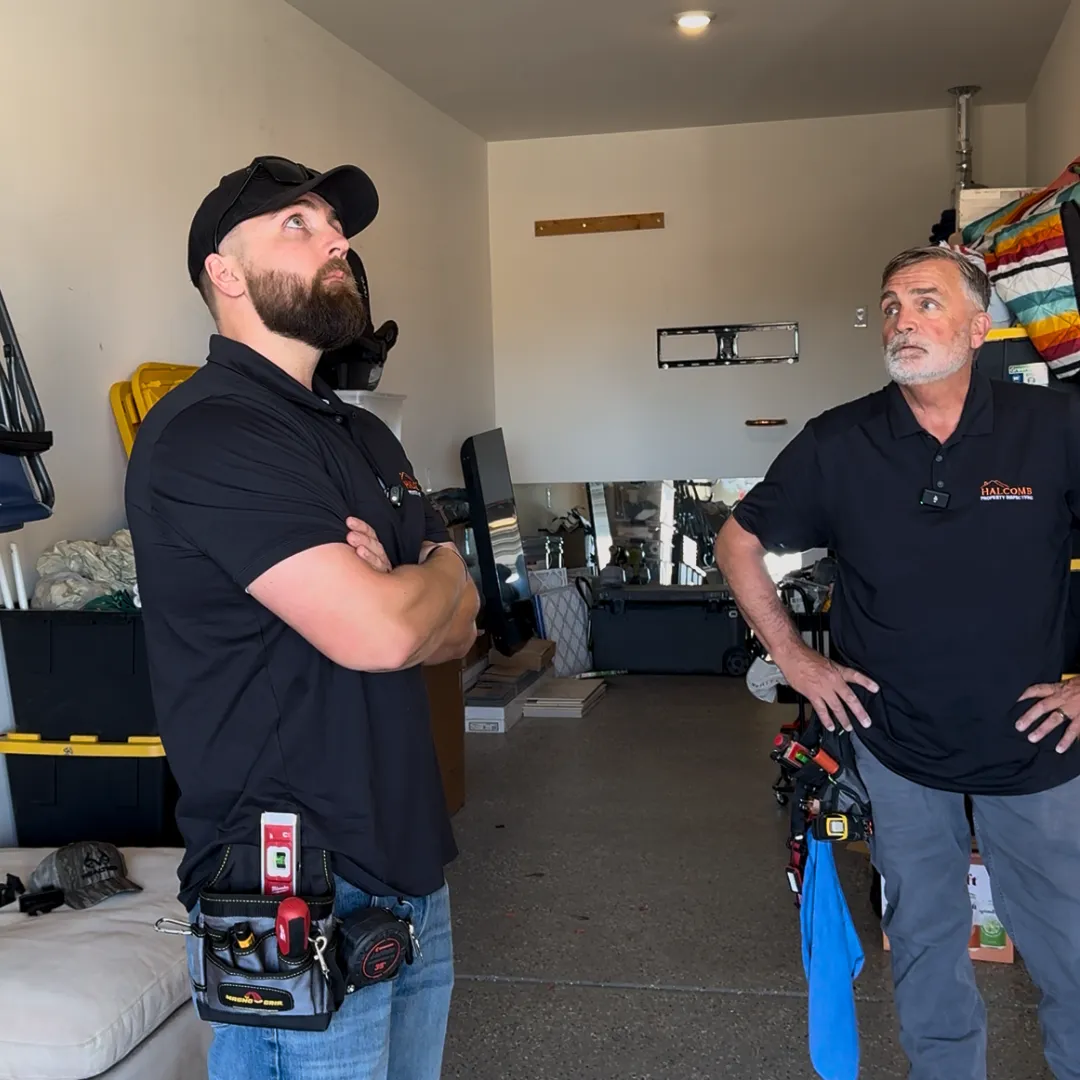
Top 10 Red Flags Found During a Property Inspection
Property inspection red flags can significantly impact a real estate transaction, whether you are buying or selling a home. These warning signs often point to deeper issues that may affect safety, value, and long-term maintenance costs.
Understanding common home inspection problems helps buyers make informed decisions and allows sellers to address concerns before they become deal-breakers. Halcomb Property Inspections provides detailed evaluations that uncover these issues early, ensuring smoother transactions and fewer surprises.
Key Takeaways
Property inspection red flags can indicate serious structural or safety concerns
Identifying common home inspection problems early can prevent costly repairs
Major home inspection issues often influence negotiations and final sale price
Addressing red flags improves buyer confidence and speeds up the selling process
Professional inspections help avoid unexpected deal delays or cancellations
What Are Property Inspection Red Flags
Property inspection red flags are issues discovered during a home inspection that may signal serious problems with the property. These can range from minor maintenance concerns to major structural defects.
While not all red flags are deal-breakers, understanding them helps both buyers and sellers prepare for negotiations and repair decisions.
Why Identifying Inspection Issues Matters
Recognizing common home inspection problems early gives you a strategic advantage.
Avoid Costly Surprises
Major home inspection issues discovered late in the process can lead to unexpected expenses.
Better Negotiation Power
Knowing the condition of the property allows buyers and sellers to negotiate fairly.
Faster Transactions
Homes with fewer unresolved issues tend to close deals more quickly.
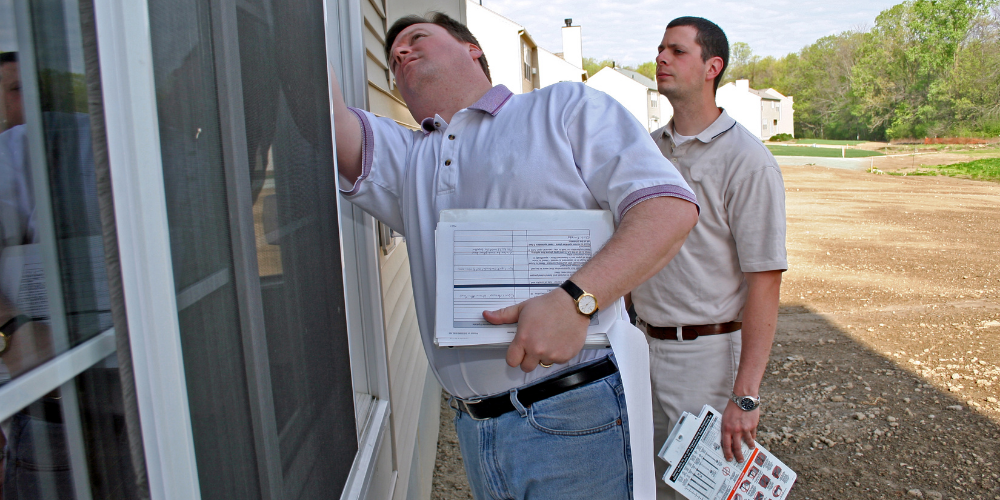
Top 10 Property Inspection Red Flags
1. Foundation Cracks and Structural Damage
One of the most serious property inspection red flags is damage to the foundation. Cracks, uneven floors, or shifting walls may indicate structural instability.
2. Roof Damage or Leaks
Roof problems are among the most common home inspection problems. Missing shingles, leaks, or sagging areas can lead to expensive repairs. Learn more about roofing issues from the International Association of Certified Home Inspectors.
3. Electrical System Issues
Outdated wiring, overloaded panels, or exposed wires are major home inspection issues that pose safety hazards.
The U.S. Consumer Product Safety Commission highlights electrical risks here, explaining how faulty wiring, overloaded circuits, and unsafe electrical products can lead to fires, shocks, and serious injuries if not properly maintained.
4. Plumbing Leaks and Water Damage
Leaks, low water pressure, or signs of water damage can indicate deeper plumbing problems that require immediate attention.
5. HVAC System Failures
Heating and cooling systems that are not functioning properly are common home inspection problems and can be costly to replace.
6. Mold and Moisture Problems
Mold growth is a serious health concern and often signals hidden moisture issues within the home. The Environmental Protection Agency explains mold risks and prevention, including how excess moisture can lead to mold growth and the steps homeowners can take to control humidity and prevent health issues.
7. Poor Drainage and Grading
Improper drainage around the property can lead to water pooling near the foundation, increasing the risk of structural damage.
8. Pest Infestation
Termites and other pests can cause significant structural damage, making this one of the most critical property inspection red flags.
9. Faulty Windows and Doors
Drafty or damaged windows and doors reduce energy efficiency and may indicate structural shifting.
10. Safety Hazards
Missing handrails, broken stairs, or lack of smoke detectors are major home inspection issues that affect occupant safety.
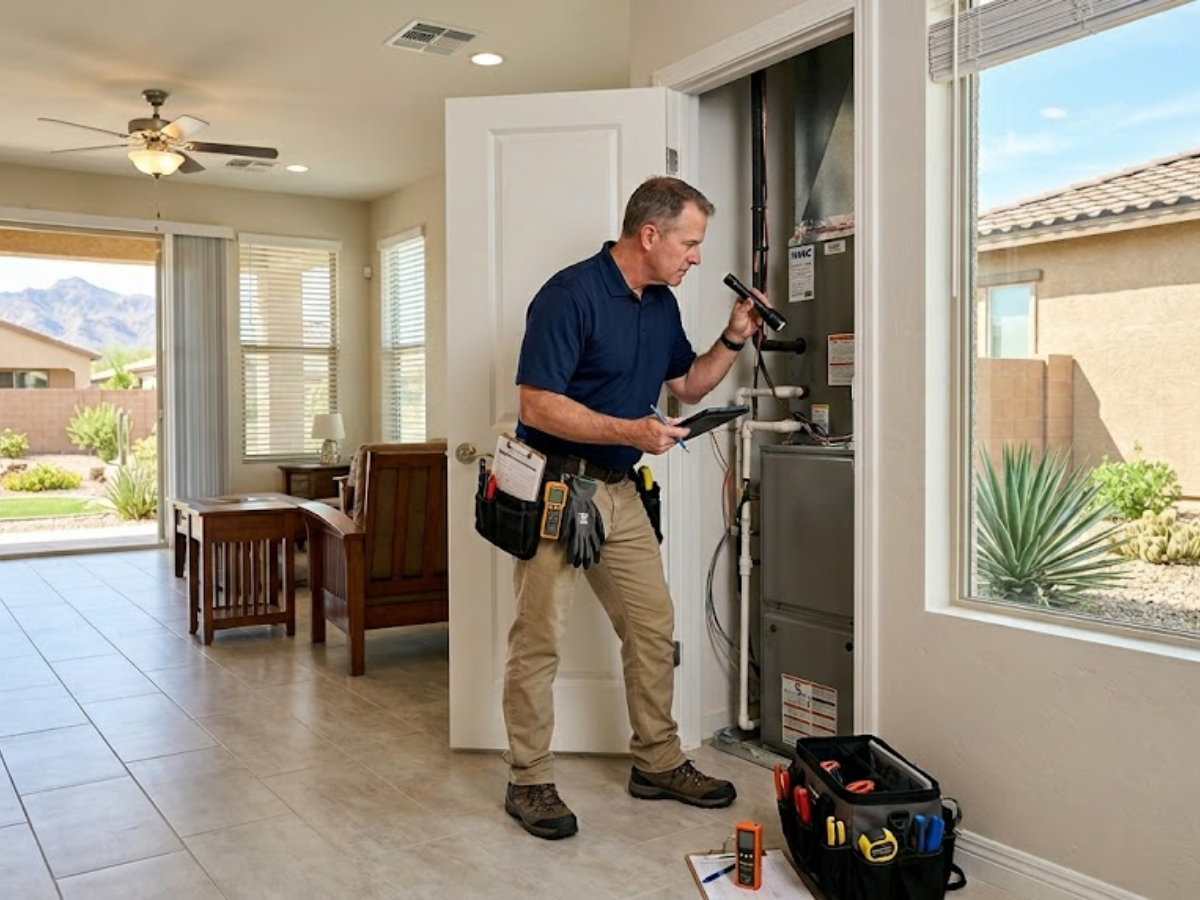
Common Home Inspection Problems Sellers Should Fix
If you are selling your home, addressing these issues beforehand can make a big difference.
Quick Fixes That Matter
Repair minor leaks
Replace damaged fixtures
Ensure all systems are functional
Major Repairs to Consider
Roof replacement
Electrical upgrades
Foundation repairs
Fixing these property inspection red flags improves your home’s marketability and value.
How Property Inspection Red Flags Affect Home Sales
Impact on Pricing
Major home inspection issues often lead to price reductions or repair credits.
Buyer Confidence
Homes with fewer issues attract more serious buyers and stronger offers.
Deal Stability
Resolving common home inspection problems early reduces the risk of deals falling through.
According to the National Association of Realtors, inspection-related issues are one of the top reasons for delayed or canceled real estate transactions.
What to Do If Red Flags Are Found
For Buyers
Request repairs or credits
Negotiate the price
Consider long-term repair costs
For Sellers
Address major concerns before listing
Provide transparency with inspection reports
Price the home realistically
Understanding property inspection red flags helps both parties make informed decisions.
Why Choose Halcomb Property Inspections
Halcomb Property Inspections is dedicated to providing thorough and accurate evaluations.
What Sets Them Apart
Detailed and easy-to-understand reports
Certified and experienced inspectors
Reliable insights into common home inspection problems
Guidance on handling major home inspection issues
Read Also: How Much Does a Home Inspection Cost in 2026? Complete Pricing Guide
FAQs
What are property inspection red flags?
They are warning signs found during inspections that may indicate serious problems with a property.
What are the most common home inspection problems?
Roof damage, plumbing leaks, electrical issues, and HVAC failures are among the most common.
Are major home inspection issues always deal-breakers?
Not always, but they can significantly affect negotiations and repair decisions.
How can sellers reduce inspection issues?
By fixing known problems and preparing the home before listing.
Should buyers walk away from a home with red flags?
It depends on the severity of the issues and the cost of repairs.
Conclusion
Property inspection red flags play a crucial role in real estate transactions. From identifying common home inspection problems to addressing major home inspection issues, understanding these warning signs helps buyers and sellers navigate the process with confidence.
Halcomb Property Inspections provides expert evaluations that uncover hidden concerns, allowing you to take control of your property decisions and avoid costly surprises.
Ready to Make Smarter Property Decisions
Take the next step with Halcomb Property Inspections and gain a clear understanding of your property’s condition. Consult with a certified inspection expert, and get a detailed inspection report you can trust. Contact us today and ensure your property is free from critical inspection red flags.
