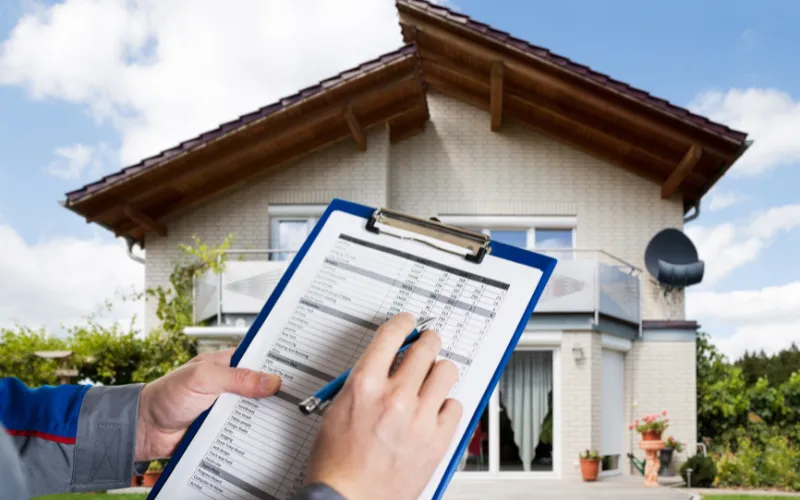
Residential Home Inspection: Know What You’re Really Buying
Buying a home. Exciting, right? But also… kinda scary. One wrong move, and suddenly you’re stuck with problems you didn’t see coming. That’s why a proper home inspection matters. And honestly? Halcomb Property Inspections is the team you want on your side.
Why us? Experience. Detail. We catch the stuff most others miss. Roofs, plumbing, electrical, structure—you name it. We don’t just glance, we dig deep. Every corner. Every creak. Every potential headache. And we explain it in plain English. No confusing jargon.
We don’t just list problems. We give answers. Photos. Notes. Solutions. You’ll know what’s urgent, what’s optional, and what could become a nightmare if ignored. Makes negotiations easier. Peace of mind? Guaranteed.
Choosing Halcomb Property Inspections means knowing your investment is safe. Friendly team. Real talk. Advanced tools. Honest advice. You get the full picture before you commit. No surprises. Just confidence. That’s how buying a house should feel.
Key Takeaways
✓ See the full picture – No more guessing about your home’s condition.
✓ Spot hidden issues – Avoid big, expensive surprises.
✓ Negotiate with confidence – Use findings to your advantage.
✓ Plan maintenance smartly – Know what to fix now, later, or never.
✓ Protect your family and investment – Safety first, always.
Why a Residential Home Inspection Matters
A residential home inspection isn’t just a formality. It’s essential. Homes are complex systems. Wiring, plumbing, roofing, and structure—they all matter. Skipping an inspection? That’s risky. Very risky.
Protect Your Investment
Homes cost a lot. Sometimes hundreds of thousands of dollars. Hidden issues? Nightmare. A home inspection for buyers identifies problems early. Roof leaks. Faulty wiring. HVAC failures. Small issues can become massive if overlooked. Knowing before closing? Priceless.
Sleep Easy
Nothing beats knowing your home’s safe. Inspectors catch risks before they turn into disasters. Water damage. Structural cracks. Mold. Even termite damage. The inspection protects you. And your family.
Reduce Stress
Buying a home is stressful enough. Inspection results give you clarity. Confidence. Control. You know exactly what you’re walking into. No guessing. No surprises.

What a Residential Home Inspection Covers
A thorough inspection is detailed. Not just walls and floors. Everything gets a look.
Structural Integrity
Foundations. Walls. Framing. Inspectors check for cracks, shifts, or signs of water intrusion. Small cracks? Usually fine. Big ones? Red flags. A detailed property evaluation of the structure ensures safety and longevity.
Roof and Exterior
Shingles missing? Gutters clogged? Siding cracked? These issues can cause thousands in damage if unnoticed. Roof leaks, water intrusion, exterior decay—all are flagged during the inspection.
Plumbing Systems
Inspectors check water lines, drains, fixtures, and water pressure. Rusted pipes, leaks, or drainage issues can lead to expensive repairs. Catching them early is crucial.
Electrical Systems
Wiring, panels, breakers, and outlets are inspected. Old or unsafe systems are common hazards. They’re a fire risk. Inspectors catch problems before they become emergencies.
HVAC Systems
Heating, cooling, ducts, thermostats. Inspectors test everything for efficiency and safety. A broken AC in Arizona? Not ideal.
Interior Components
Floors, ceilings, walls, windows, doors, and appliances. Cosmetic issues sometimes hint at bigger problems. Inspectors note patterns, water stains, and unusual wear.
Additional Features
Pools, septic systems, attics, garages. Depending on the property, inspectors check every corner. Nothing slips through.
Home Inspection for Buyers: Step by Step
Buying a home without understanding its condition? Don’t do it. A home inspection for buyers gives insight. Here’s how it works:
Preparation – Buyers get a checklist. Know what’s being inspected.
On-Site Inspection – Inspector tours the property. Photos, notes, measurements.
Immediate Findings – Major issues flagged right away.
Detailed Report – Comprehensive write-up with photos and recommendations.
Follow-Up Consultation – Inspectors explain findings. Buyers ask questions.
You leave with confidence. Knowledge. And control.
Benefits of a Detailed Property Evaluation
A detailed property evaluation goes beyond surface-level checks.
Identify Problems Early
From minor cosmetic fixes to major structural issues, inspectors reveal it all. You’ll know what needs attention. Prioritize wisely.
Safety First
Electrical hazards, water leaks, mold, or carbon monoxide—inspection keeps your family safe. No guesswork.
Plan Maintenance
Understand the home’s systems. Schedule repairs. Budget efficiently. Extend the life of your investment.
Boost Resale Value
Homes with documented inspections sell faster. Buyers trust verified conditions. Confidence equals faster sales and potentially higher offers.
Real-World Examples
Imagine buying a 15-year-old home. The roof looks fine. But an inspector finds curling shingles and water damage under the eaves. Cost to replace roof? $8,000. With a report, buyer negotiates the price down. Inspection paid for itself.
Another scenario: new construction. All looks perfect. But the inspector notices improperly wired outlets and poor drainage around the foundation. Repairs are addressed before closing. Without the inspection? Buyer faces massive headaches.
Common Myths About Home Inspections
Myth 1 – Only Old Homes Need Inspections
Wrong. Even new homes can have defects. A detailed property evaluation ensures everything meets quality standards.
Myth 2 – Inspections Are Optional
Risky. Major repairs can cost tens of thousands. Skipping inspections is gambling with your money.
Myth 3 – Inspectors Guarantee the Home
Nope. Inspections reveal conditions at the time of inspection. Not a warranty.

Choosing the Right Inspector
Not all inspectors are equal. Look for:
Licensing & Certification – Must meet state requirements.
Experience – Detect subtle problems others miss.
Clear Reporting – Photos, notes, actionable advice.
Customer Reviews – Reliable, professional, trustworthy.
Right inspector = informed decisions. Less stress. Safer home.
Tips for Buyers
✓ Attend the inspection. See everything firsthand.
✓ Ask questions. Clarify every note.
✓ Budget for repairs. Prioritize safety issues.
✓ Use findings to negotiate repairs or price.
✓ Plan long-term maintenance. Avoid surprises later.
How Often Should Inspections Be Done?
Pre-Purchase: Always. First line of defense.
Older Homes: Every few years. Roof, plumbing, and electrical systems age.
After Major Renovations: Safety check before moving in.
A residential home inspection isn’t a one-time thing. Think of it as a tool for life.
Additional Services
Some inspectors offer extras:
Termite & Pest Inspections
Pool Inspections
Radon Testing
Septic & Well Evaluations
These services complement the main inspection. Give you a complete picture.
FAQs
Q1: How long does an inspection take?
2–4 hours, depending on home size and features.
Q2: Can I attend?
Yes! It helps to see issues firsthand and ask questions.
Q3: Will everything be discovered?
Inspectors identify visible and accessible issues. Hidden problems may remain.
Q4: How much does it cost?
Ranges from $300–$600. Depends on property size and location.
Q5: What happens after the inspection?
You get a detailed report with photos, findings, and repair recommendations.
Conclusion
A residential home inspection is essential. Protects your investment. Protects your family. Reduces stress. Provides clarity. Choosing the right inspector, understanding the process, and using a detailed property evaluation makes all the difference.
Call to Action
Don’t risk surprises. Protect your investment today. Contact Halcomb Property Inspections for a professional residential home inspection and detailed property evaluation. Make your home purchase smart, safe, and stress-free.
