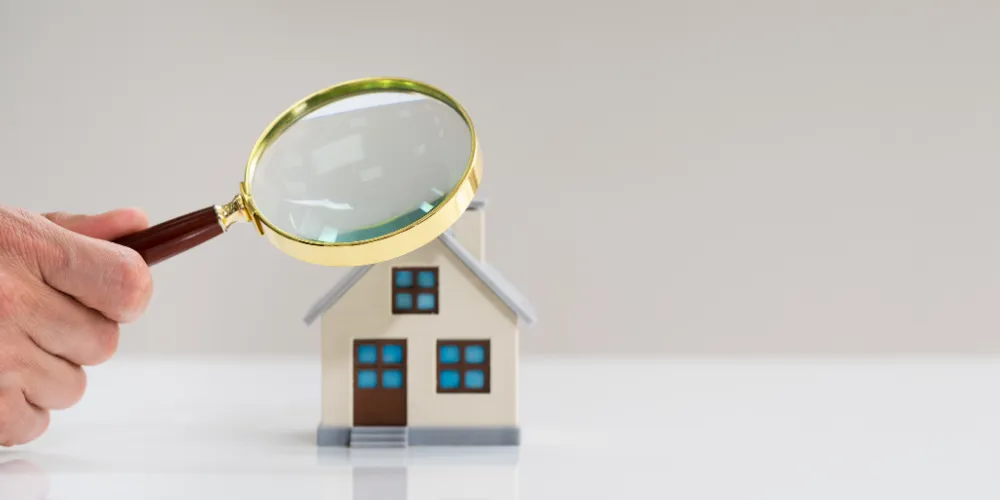
Seller’s Guide: How to Prepare for a Home Inspection
Selling your home is a critical moment—one that can determine the pace of the sale, your asking price, and your peace of mind. The key to a smooth closing? Firm preparing for Home Inspection. As a seller, taking proactive steps to ensure your property sails through the inspection doesn’t just reduce stress—it sets you up as the benchmark for professionalism. Whether you're asking, “How do we get ready to Pass a Home Inspection?” or searching for a reliable Seller Home Inspection Checklist, this guide delivers exactly what you need.
In the next sections, we'll walk you through every essential step—from smart timing and decluttering to testing systems, fixing minor issues, and ensuring safety compliance. You’ll also discover how a pre-listing inspection can give you leverage, how to document and share maintenance records for transparency, and why accessibility on inspection day matters. Plus, you’ll get access to a downloadable step-by-step checklist (PDF) to keep everything organized. Ready to shine during inspection and close with confidence? Let’s dive in.
Why Preparing Matters
When selling your home, preparation isn’t just about cleaning and staging—it’s about making sure you’re ready for the buyer’s home inspection. Many sellers underestimate how much weight an inspection carries in the negotiation process. Being proactive gives you more control, helps you avoid stressful surprises, and positions your property as a “move-in ready” home that buyers are eager to secure.
Here’s why preparing for a home inspection is critical if you want to Pass a Home Inspection smoothly and protect your bottom line:
Fewer Surprises – By addressing repairs before listing, you prevent buyers from uncovering hidden issues that could derail a deal or force last-minute negotiations.
Negotiation Power – A pre-inspected home gives you the upper hand; buyers are less likely to request steep concessions or price reductions when they see you’ve already tackled repairs.
Trust Builder – Sharing a clean inspection report upfront communicates transparency and professionalism, building confidence in buyers that they are making a safe investment.
Faster Sales – Move-in ready homes don’t just attract more attention; they also spend less time on the market, which can save you months of carrying costs.
Better ROI – Simple fixes like sealing leaks, replacing filters, or updating faulty outlets cost little compared to the thousands buyers might ask for in credits during negotiations.
Peace of Mind – Knowing your home is inspection-ready reduces stress and lets you focus on the move and closing process.

Timing Your Preparation
Book a pre-listing or pre-contract inspection about a month before listing; it allows time for repairs and listing with confidence. This lead time ensures inspections don’t derail your sale and gives you control to address any issues early. Pre-inspections give you advanced knowledge and negotiating strength.
Schedule Early – Book a pre-listing inspection at least 4 weeks before listing your property. This ensures you have time to make necessary repairs without rushing.
Avoid Delays – Early inspections help prevent last-minute surprises that could delay closing or derail a potential sale.
Negotiate with Confidence – Having a clean inspection report gives you leverage in negotiations, helping you maintain your asking price.
Plan Repairs Wisely – With extra time, you can shop around for affordable contractors instead of paying for rushed, last-minute fixes.
Boost Buyer Trust – A proactive inspection demonstrates transparency, making buyers more comfortable and willing to move forward quickly.
Clean, Declutter & Stage for Inspection
Clear garages, attics, basements, and all systems access points. A tidy, organized interior gives inspectors room to work and signals care. Externally, trim shrubs, clean gutters, clear debris, and improve curb appeal for a strong first impression.
Clear Access Points – Ensure garages, attics, basements, and crawl spaces are uncluttered so inspectors can easily reach systems.
Tidy Interior – A clean, organized home signals that the property has been well-maintained.
Stage Thoughtfully – Simple staging, like fresh linens or neutral décor, highlights the home’s strengths.
Exterior Clean-Up – Trim shrubs, mow the lawn, and clear walkways to improve overall appearance.
Gutter & Debris Removal – Clean gutters and remove exterior debris to prevent red flags during inspection.
Curb Appeal Boost – A well-kept exterior creates a strong first impression that sets the tone for the inspection.
Systems & Functionality Checks
Test faucets, flush toilets, check hot water heaters (118–125 °F), and inspect plumbing. Test switches, outlets, electrical panel, HVAC function, filters—clean or replace as needed.
🚿 Kitchen
Test all faucets for water pressure and leaks.
Run the garbage disposal.
Check dishwasher, stove, and oven functionality.
Test GFCI outlets near sinks.
Inspect under-sink plumbing for drips or water damage.
🛁 Bathrooms
Flush toilets to ensure proper function and no leaks.
Test hot water temperature (118–125 °F) at sinks and showers.
Check bathtub/shower caulking and grout for mold or cracks.
Test exhaust fans for proper ventilation.
Inspect plumbing under sinks for leaks.
🛏️ Bedrooms & Living Areas
Test all outlets and light switches.
Check windows for smooth opening/closing and secure locks.
Confirm smoke detectors are installed and functional.
Inspect ceiling fans for balance and noise.
Ensure HVAC vents deliver consistent airflow.
🌀 Basement / Utility Room
Inspect the water heater for rust, leaks, and temperature setting.
Check the furnace/boiler operation.
Change HVAC filters if dirty.
Test sump pump (if present).
Review electrical panel for labeling and visible issues.
🏡 Exterior & Garage
Test exterior outlets and GFCI functionality.
Inspect garage door opener, safety sensors, and remotes.
Check outdoor faucets for leaks.
Ensure exterior vents (dryer, furnace, etc.) are clear.
Verify outdoor lighting and security systems work properly.
Safety Devices & Compliance
Replace batteries in smoke and CO detectors, ensure fire extinguisher accessibility, and address pests/rodent issues. These precautions aren’t just safe—they also reduce inspection red flags.
Replace batteries in smoke detectors
Replace batteries in carbon monoxide detectors
Test alarms to confirm they are in working order
Ensure fire extinguisher is accessible and not expired
Verify stair railings, guardrails, and handrails are secure
Check for visible pest or rodent activity and address issues
Make sure home meets local safety codes and compliance standards
Exterior & Structural Maintenance
Fix missing roof shingles, clean gutters, and ensure proper drainage. Check siding, foundational cracks, windows, and chimney—all should be maintained.
Inspect and replace any missing or damaged roof shingles
Clean gutters and downspouts to ensure proper drainage
Check for foundation cracks and repair as needed
Examine siding for damage, rot, or loose panels
Ensure windows and doors seal properly and caulking is intact
Inspect and maintain the chimney (cap, flashing, masonry)
Confirm grading and drainage slope away from the home to prevent water intrusion
Trim trees and shrubs away from the roof and siding to reduce damage risks
Small Repairs = Big Impressions
Cheap fixes like replacing caulk, bulbs, grout, or screens—plus securing loose handrails—prevent easy fix issues from turning into negotiation sticking points.
Replace caulking around tubs, sinks, and windows to prevent moisture issues
Swap burnt-out lightbulbs to brighten rooms and show functionality
Re-grout tiles in kitchens or bathrooms for a fresh, clean look
Repair or replace torn window/door screens
Tighten or secure loose handrails on stairs, decks, or porches
Fix squeaky doors or cabinets with simple hinge adjustments
Patch minor wall holes or touch up paint for a polished finish
Documentation & Transparency
Gather maintenance records, upgrade permits, warranties, pre-inspection receipt; sharing them can preempt buyer concerns and increase trust.
Collect maintenance records (HVAC service, roof repairs, plumbing fixes)
Keep receipts for recent upgrades or renovations
Provide permits for major work (electrical, structural, additions)
Organize warranties for appliances, roofing, or systems still under coverage
Attach pre-inspection report/receipt if you conducted one
Prepare utility bills (optional) to showcase efficiency or consistent upkeep
Have all documents neatly organized in a binder or digital folder for easy buyer review
Inspection Day Preparation
Leave keys, open gates, ensure utilities are on, remove clutter, take pets—make the inspector’s job easy. It’s okay to be absent—let inspectors do their work.
Leave all keys accessible (garage, sheds, electrical boxes, gates)
Unlock gates, doors, and panels so the inspector can access every area
Ensure all utilities are turned on (water, electricity, gas, HVAC)
Remove unnecessary clutter that could block access to attics, basements, or utility areas
Secure or relocate pets to avoid distractions or safety concerns
Open blinds and curtains for better visibility and natural light
Provide clear access to appliances and systems (furnace, water heater, electrical panel)
Plan to be absent or stay low-profile so the inspector can work freely without interruptions
Image/Infographic Concepts
PDF Downloadable Checklist Visual — a clean checklist design that mirrors article headings: timing, clean & prep, systems test, safety, exterior, repairs, documentation, inspection day.
Alt text: “Seller Home Inspection Checklist PDF covering cleaning, systems testing, safety devices, exterior prep, repairs, documentation.”Flow Diagram: Pre-Listing to Closing — timeline from pre-inspection, repairs, listing, inspection day, negotiation, to closing.
Alt text: “Flowchart showing timeline: pre-listing inspection, prep steps, inspection day, negotiations, closing.”Before & After Comparison — split graphic showing cluttered vs. decluttered access area (attic/garage).
Alt text: “Before and after comparison of cluttered vs. cleared inspection access area for easier inspection.”

Quick Takeaways
Begin preparing for Home Inspection about a month before listing.
Declutter, clean, and ensure full access to all home areas.
Test all systems: plumbing, electrical, HVAC—fix minor issues.
Ensure safety features (detectors, fire extinguisher, pest-free) are operational.
Fix cosmetic or structural issues—big or small, they influence inspection outcomes.
Gather records and consider a pre-listing inspection for transparency.
Prepare inspection day logistics—keys, utilities, absence—to showcase professionalism.
Conclusion
Selling your home isn’t just about listing—it’s about showcasing your property confidently, professionally, and transparently. Thoughtful Preparing for Home Inspection gives you control, turns minor red flags into manageable fixes, and positions you favorably in negotiations. This blog armors you with everything: from timing and cleaning to testing systems, tackling small repairs, maintaining safety compliance, and planning inspection-day logistics.
Imagine navigating this pivotal moment with a downloadable Seller Home Inspection Checklist PDF in hand—fully prepped, organized, and ready to impress. You’ll walk away with the advantage: fewer negotiation hurdles, faster closings, and higher buyer trust. In short, investing a little time and effort now protects your selling price, protects your timeline, and projects true professionalism.
Take the next step: download your checklist, walk your home with fresh eyes, and schedule that pre-listing inspection. Your goal is to pass a home inspection with ease, and this guide positions you perfectly to do exactly that. Ready, set, sell!
FAQs
1. When should I schedule a pre-listing inspection?
Ideally, you should book it 3–4 weeks before listing to allow time for repairs or adjustments. This gives contractors enough time to complete work without delaying your listing date. Early scheduling also provides you with peace of mind and the confidence to market your home proactively.
2. Do I have to pay for the inspection if I’m the seller?
Technically, no—you’re not required to pay for a pre-listing inspection. However, investing in one upfront can save thousands later by preventing last-minute negotiations or deal cancellations. Sellers who take this step often experience smoother closings and stronger buyer confidence.
3. Will cleaning alone make a difference?
Absolutely. A clean, organized, and accessible home helps inspectors move around efficiently and gives the impression of a well-maintained property. While cleaning won’t fix hidden issues, it does prevent small complaints from adding up and creating doubt in the buyer’s mind.
4. Can I stay during the inspection?
You can, but it’s usually best to follow your agent’s advice. Many inspectors prefer working without distractions, as it allows them to focus and buyers to ask candid questions. Stepping out during the process also shows respect for the inspector’s work and the buyer’s experience.
5. Should I share the inspection report with buyers?
Yes, sharing a pre-listing inspection report demonstrates transparency and helps establish trust with buyers. It can also reduce renegotiation risks by showing you’ve already addressed potential problems. In many cases, sellers who share reports often close faster and may even receive stronger offers.
Engagement Message
Loved this guide? Let us know: what was your biggest inspection prep challenge, or what tip helped you most? Drop a comment below—and if this helped set you up for a smooth inspection, share it with a friend selling their home. Ready to pass with flying colors?
Ready to Sell with Confidence?
Don’t let inspection surprises derail your sale. With the Seller Home Inspection Checklist and guidance from a trusted professional, you’ll be fully prepared to pass a home inspection and secure the best offer possible.
✅ Download your FREE Seller Home Inspection Checklist (PDF) today.
✅ Schedule a pre-listing inspection with Halcomb Property Inspections.
✅ Take control of your sale and close with confidence.
References
Redfin. Home Inspector Checklist & Tips for Sellers. Redfin
Sundae. The Ultimate Seller Home Inspection Checklist. Sundae
Zillow. How to Prepare for a Home Inspection. Zillow
WIN Home Inspection. Pre-Listing Inspection Checklist. wini.com
This Old House. How to Prepare For a Home Inspection. This Old House
AZ Property Inspections. Seller's Checklist. AZ Property Inspections
Curbio. How to Prepare for Home Inspection: A Seller's Guide. Curbio
Washington Post. Home Inspection Insights for Sellers. The Washington Post
