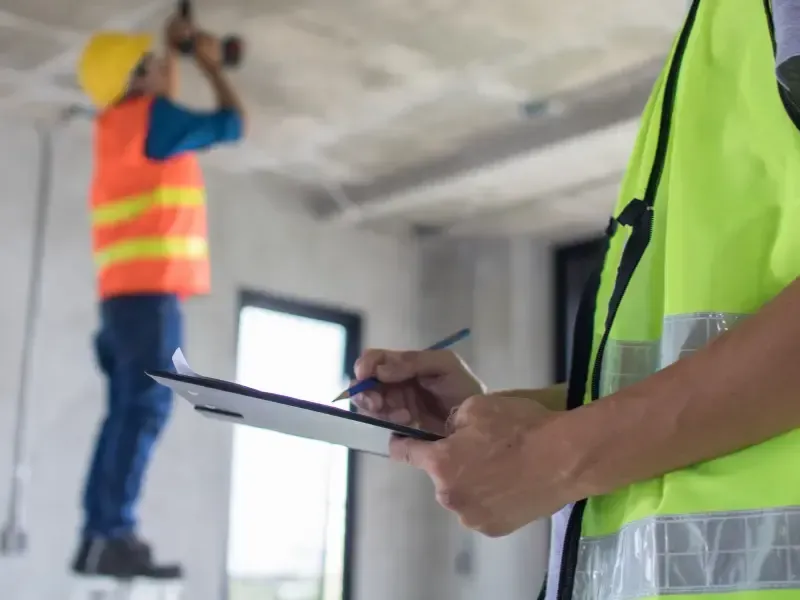
Why Should Sellers Get a Home Inspection in Mesa, AZ?
A sellers home inspection in Mesa, AZ — also called a pre-listing inspection or pre-sale home inspection — is a professional property evaluation commissioned by the seller before the home is listed on the market. Halcomb Property Inspections provides pre-listing inspection services throughout Mesa and the Maricopa County area, helping sellers understand their home's condition before a buyer's inspector does, so there are no surprises when the property is already under contract and the clock is running.
By Alex & Jeff, Owner & Lead Inspector · Last updated July 2026
What Is a Pre-Listing Home Inspection in Arizona?
A pre-listing inspection is identical in scope to a buyer's home inspection — it covers the same structural components, HVAC systems, plumbing, electrical, roof, and interior spaces that a buyer's inspector would evaluate after an accepted offer. The difference is who ordered it and when: a sellers inspection is commissioned by the homeowner before listing, giving the seller the same information a buyer would receive during the inspection contingency period, but weeks or months earlier.
The inspection produces a full digital report with photos, condition assessments, and prioritized findings — the same deliverable the buyer would receive. In Arizona, where pre-sale home inspection Arizona services are becoming increasingly common in the East Valley's active resale market, sellers who have already completed an inspection and addressed their findings can share the report with prospective buyers as part of their marketing package.
This is different from what's covered in our buyers home inspection guide for Mesa, which focuses on the buyer's rights and the BINSR process during the contingency period. A sellers inspection flips that dynamic entirely: the seller gains the information, the seller controls the timeline, and the seller decides what to do with the findings before going to market.
Should Sellers Get a Home Inspection Before Listing in Mesa?
For most Mesa sellers — particularly those selling homes built before 2000 — the answer is yes, and the reasoning is practical rather than philosophical.
The buyer will order an inspection anyway. Under the standard Arizona Association of Realtors purchase contract, buyers have a 10-day inspection period during which they will almost certainly hire an inspector. Whatever is wrong with the property will be found — the only question is whether the seller finds it first or the buyer does. A seller who finds it first has options: fix the issue, price around it, or disclose it proactively and set buyer expectations before going under contract. A seller who finds out during buyer's due diligence has all the same choices but is now operating under contract pressure, with earnest money on the line and a closing date on the calendar.
Mesa's housing stock creates specific pre-listing inspection value. Central Mesa's 1960s–1980s construction often carries aging HVAC systems, original plumbing, and electrical panels patched rather than properly upgraded. For a seller in the Dobson Ranch corridor or Alma School area, a pre-sale inspection is the fastest way to find out whether deferred maintenance has accumulated into something that will stop a transaction mid-stream. Sellers in newer East Mesa communities — Eastmark, Cadence, homes built in the 2000s–2010s — have a cleaner baseline, but even newer homes can reveal HVAC performance issues or pool equipment problems worth knowing before listing.
In a competitive Mesa market, a clean report is a marketing asset. As the best sellers home inspectors near Mesa AZ, we regularly see sellers use their pre-listing report as part of the listing presentation — attached to the MLS listing or provided at showings. Buyers competing for a property are more likely to offer quickly and negotiate less aggressively when they can see that a certified, independent inspector has already evaluated the home and the seller has addressed the findings. That's a measurable advantage in Mesa's active resale market.
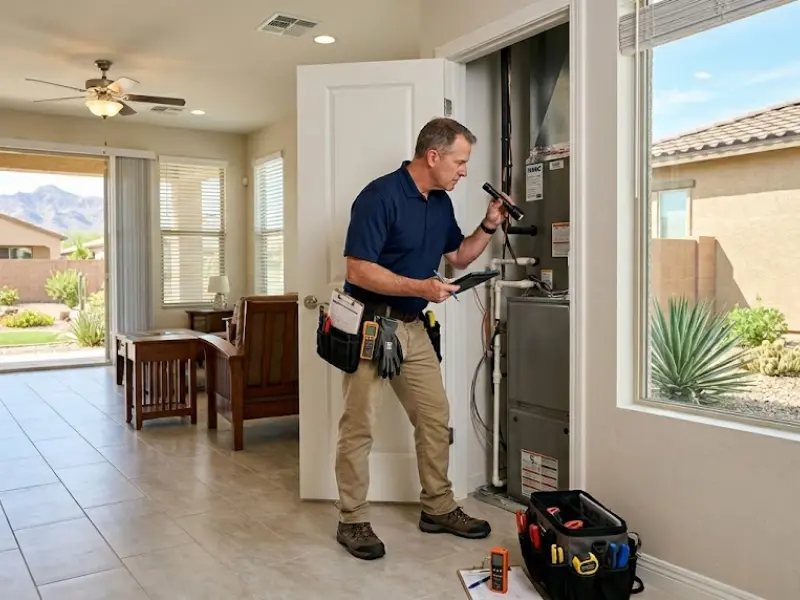
How Does a Sellers Inspection Help in Arizona?
The practical benefits of a sellers home inspection in Arizona follow three distinct paths depending on what the inspection finds:
The inspection finds nothing significant. This is the best outcome and more common in well-maintained homes than sellers often expect. A clean report from an InterNACHI-certified inspector is valuable documentation that the home is in solid condition — shareable with buyers as third-party validation and useful for supporting the asking price against negotiating pressure.
The inspection finds minor, fixable issues. This is the most common outcome for most Mesa homes. HVAC filters, weatherstripping, minor caulking at penetrations, a tripped GFCI breaker, a cracked roof tile — items that are inexpensive to correct but would appear on a buyer's inspection report and become negotiating chips. Fixing them before listing eliminates those chips and removes opportunities for buyers to request credits or concessions on items that cost a fraction of what a buyer might request.
The inspection finds a significant issue. An aging HVAC system, a soft section of roof decking, evidence of past water intrusion — these findings are difficult to navigate after going under contract, when a buyer's BINSR response may demand repairs or credits under time pressure. Finding them before listing gives the seller time to get contractor estimates, make an informed decision about whether to repair or price accordingly, and disclose honestly rather than having it surface as a surprise.
For a direct comparison of what a pre-listing report includes versus what buyers look for, our pre-purchase home inspection guide for Mesa covers the same scope from the buyer's perspective.
Do I Have to Disclose Sellers Inspection Findings in Arizona?
This is the most important question sellers ask before commissioning a pre-listing inspection, and it deserves a direct answer.
In Arizona, sellers are required to complete the SPDS — the Seller's Property Disclosure Statement — as part of the standard Arizona Association of Realtors purchase contract. The SPDS asks sellers to disclose material facts they know about the property. The legal principle that applies: once you commission an inspection and receive a report, you have knowledge of what it found. Findings you were not aware of before the inspection become known facts after it.
What this means practically: if a pre-listing inspection reveals a cracked heat exchanger, a non-functional electrical circuit, or moisture damage in the attic, those findings become items you are expected to address on the SPDS — either by disclosing the condition as-is, or by making the repairs and noting what was found and corrected.
Some sellers interpret this as a reason not to get a pre-listing inspection — if I don't know about a problem, I don't have to disclose it. That reasoning has real risks. A buyer's inspection will likely find the same issues anyway. If significant defects are discovered after closing that the seller arguably knew about or should have known about, disclosure failures create legal exposure in Arizona. Proactive disclosure of known conditions, handled correctly, is significantly safer than the alternative.
Consult your real estate agent and attorney about your specific disclosure obligations before listing. What a sellers inspection creates is informed decision-making — the ability to repair, price, or disclose on your own timeline, before a buyer's BINSR response forces the issue under contract pressure.
Which Mesa Sellers Does Halcomb Property Inspections Serve?
As one of the top rated pre-listing inspection companies in the East Valley, Halcomb Property Inspections works with Mesa sellers across all neighborhoods and home types:
Central Mesa (1960s–1990s construction) — Our most common pre-listing inspection scenario. Older homes with HVAC systems approaching end of life, aging water heaters, and electrical panels that have been modified over decades benefit most from a pre-listing look before hitting the market.
Dobson Ranch, Alma School corridor, and established HOA communities — Community standards and HOA requirements add a layer of condition expectations. A pre-listing inspection helps sellers stay ahead of issues that could affect HOA compliance disclosures.
East Mesa (Eastmark, Cadence, Williams Field area) — Newer construction with more predictable condition profiles, but still subject to HVAC performance issues, pool equipment wear, and first-decade stucco concerns.
Las Sendas and Red Mountain area — Custom and semi-custom homes on elevated terrain; drainage, roof condition, and retaining structures warrant seller-side documentation before listing.
We also work with sellers in Chandler, Gilbert, Scottsdale, and Tempe. For homes with pools, our pool inspection service can be added to any pre-listing inspection — worth doing in Mesa, where pool ownership rates are among the highest in the country and pool condition is a frequent buyer concern. Our companion post on pre-listing inspections in Phoenix covers the broader metro case for sellers inspections if you want additional context before deciding.
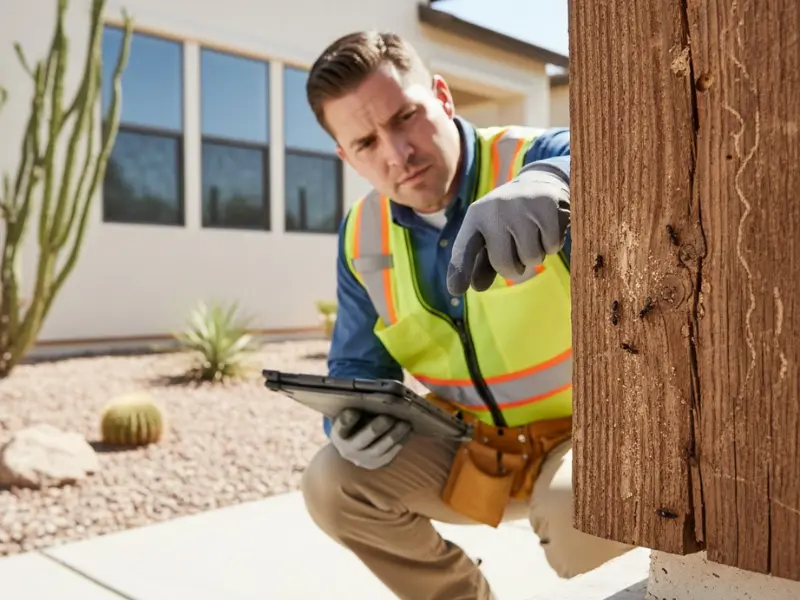
Frequently Asked Questions
1. Is a sellers inspection worth it in Arizona?
For most Mesa sellers, yes. The cost of a pre-listing inspection is typically a fraction of the concessions or price reductions buyers request when they discover issues during their own inspection under contract. A seller who knows about a failing HVAC system, visible foundation cracks, or pool equipment problems before listing can make a strategic decision — repair, price adjustment, or proactive disclosure — rather than reacting to a BINSR response under deadline pressure. The inspection cost is the cheapest form of risk management in the listing process.
2. When should sellers get a home inspection?
Ideally four to eight weeks before your planned listing date. This gives you time to receive the report, consult contractors if repairs are needed, complete the work, and document what was done before the home hits the MLS. Scheduling earlier also allows time to address any findings that require longer lead times — an HVAC replacement, a pool pump, or a roofing repair. A pre-listing inspection commissioned one week before listing leaves no time to act on what you learn.
3. Do I have to disclose seller inspection findings in Arizona?
Generally yes, for material defects. Arizona's SPDS requires sellers to disclose material facts they know about the property. Completing a pre-listing inspection creates knowledge of its findings — meaning defects identified in the report become known conditions that typically must be disclosed. The most protective approach is to repair the issues and document the correction, which allows you to disclose them as resolved rather than active. Always consult your real estate attorney and agent about your specific disclosure obligations for your transaction.
4. How does a pre-listing inspection affect the asking price?
It can support a higher asking price or prevent a forced lower one. If the inspection is clean and findings are addressed, a seller enters the market with third-party documentation of the home's condition — a tool against buyer pressure to reduce price based on uncertain property condition. If the inspection uncovers significant issues, knowing about them before listing allows a seller to price realistically from the start rather than experiencing a larger-than-expected price reduction after a buyer's inspection under contract. Surprise findings under contract almost always produce larger price concessions than proactively addressed conditions.
5. Can a sellers inspection help sell my home faster in Mesa?
Yes, in two ways. First, buyers who see a recent pre-listing report available at showing have less uncertainty about the property's condition — reducing the likelihood they'll use their inspection period to pause, renegotiate, or walk away. Second, when buyers are competing for a property, an available sellers inspection report removes one of the key unknowns that causes buyers to be cautious. Faster transactions in Mesa's market often come down to buyer confidence — a pre-listing report from an InterNACHI-certified inspector is one of the most direct ways to build it.
Contact Halcomb Property Inspections to schedule a pre-listing sellers inspection in Mesa or anywhere across Maricopa County.
Call or Contact Us
Halcomb Property Inspections Phone: (480) 273-9328 Hours: Monday–Sunday, 6:00 AM–9:00 PM
Serving Mesa and the East Valley including Chandler, Gilbert, Tempe, Scottsdale, and all of Maricopa County, AZ.
