What Do Home Inspectors Look For? A Buyers Complete Checklist
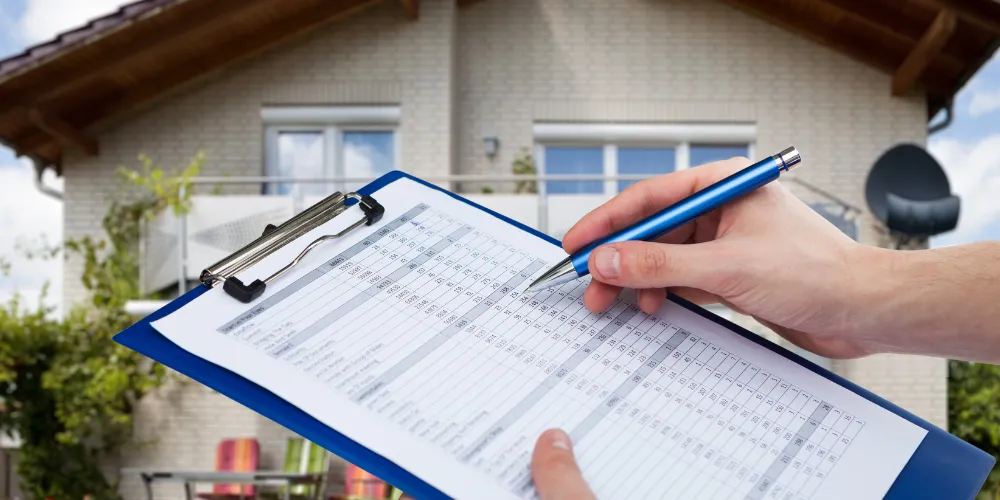
What do home inspectors look for? Home inspectors evaluate a property's structure, systems, and safety including the roof, foundation, plumbing, electrical, HVAC, and overall condition.
If you're buying a home, understanding what do home inspectors look for can help you avoid costly surprises and make confident decisions. A professional inspection provides a detailed evaluation of the property’s condition, ensuring you know exactly what you're investing in.
Halcomb Property Inspections helps buyers across the U.S. gain clarity and peace of mind with thorough and reliable inspections.
Key Takeaways
Home inspectors assess structure, systems, and safety concerns
A complete home inspection checklist for buyers covers interior and exterior elements
Understanding key house inspection items helps avoid unexpected repair costs
Professional inspections provide negotiation leverage for buyers
Attending the inspection helps you better understand the property
Why Home Inspections Are Essential for Buyers
Before closing on a property, knowing what do home inspectors look for is crucial. A home may appear perfect on the surface but could have hidden issues that affect safety and value.
A proper inspection ensures:
You identify major defects early
You understand future maintenance needs
You gain negotiation power with the seller
According to the National Association of Realtors, home inspections are a critical step in protecting buyers during real estate transactions.
Complete Home Inspection Checklist for Buyers
A detailed home inspection checklist for buyers ensures every major component of the property is evaluated. Professional inspectors follow a systematic process to assess all critical areas.
Structural Components
These are some of the most important house inspection items.
Foundation
Inspectors look for cracks, settling, or structural instability.
Walls and Ceilings
Signs of water damage, mold, or uneven surfaces are carefully evaluated.
Roof
Roof condition, missing shingles, leaks, and drainage systems are inspected.
Understanding these structural house inspection items helps buyers assess long-term durability.
Exterior Inspection Areas
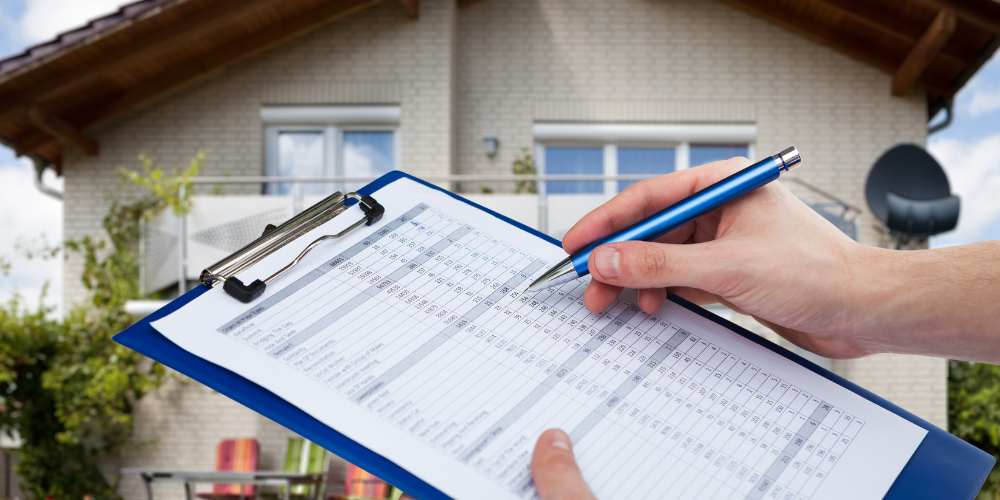
The exterior is a major part of what do home inspectors look for because it protects the entire home.
Siding and Exterior Walls
Inspectors check for damage, rot, or poor installation.
Windows and Doors
They ensure proper sealing, functionality, and energy efficiency.
Driveways and Walkways
Cracks, uneven surfaces, and drainage issues are noted.
These elements are essential in any home inspection checklist for buyers.
Interior Inspection Checklist
Inside the home, inspectors focus on safety, functionality, and condition.
Floors and Surfaces
They check for uneven flooring, damage, or wear.
Stairs and Railings
Safety compliance is evaluated to prevent hazards.
Attic and Insulation
Proper insulation and ventilation are reviewed to ensure energy efficiency.
These interior house inspection items play a key role in determining comfort and safety.
Plumbing System Inspection
Plumbing issues can be expensive, making them a priority in what do home inspectors look for.
Pipes and Fixtures
Inspectors check for leaks, corrosion, and water pressure issues.
Water Heater
Age, condition, and functionality are assessed.
Drainage Systems
Proper drainage is essential to prevent water damage.
A detailed home inspection checklist for buyers always includes plumbing evaluation.
Electrical System Inspection
Electrical safety is critical when evaluating what do home inspectors look for.
Wiring and Panels
Inspectors ensure wiring meets safety standards.
Outlets and Switches
Functionality and proper installation are checked.
Safety Hazards
Outdated or faulty systems are flagged immediately.
According to the American Society of Home Inspectors, electrical issues are among the most common findings during inspections
HVAC System Evaluation
Heating and cooling systems are essential for comfort and efficiency.
Heating Systems
Inspectors evaluate performance and age.
Air Conditioning
Cooling systems are tested for proper operation.
Ventilation
Proper airflow and system efficiency are assessed.
These systems are key house inspection items that directly impact living conditions.
Safety and Compliance Checks
Safety is a major focus of what do home inspectors look for.
Smoke and Carbon Monoxide Detectors
Inspectors ensure they are properly installed and functional.
Fire Hazards
Potential risks are identified and documented.
Building Code Issues
Any violations or concerns are noted for buyers.
A reliable home inspection checklist for buyers always prioritizes safety.
Common Issues Found During Home Inspections
Even well-maintained homes can have issues.
Water Damage
Leaks and moisture problems are common findings.
Roof Wear and Tear
Aging roofs often require repairs or replacement.
Electrical Problems
Outdated systems can pose safety risks.
Plumbing Leaks
Small leaks can lead to major damage over time.
Understanding these house inspection items helps buyers prepare for potential repairs.
What Happens After the Inspection
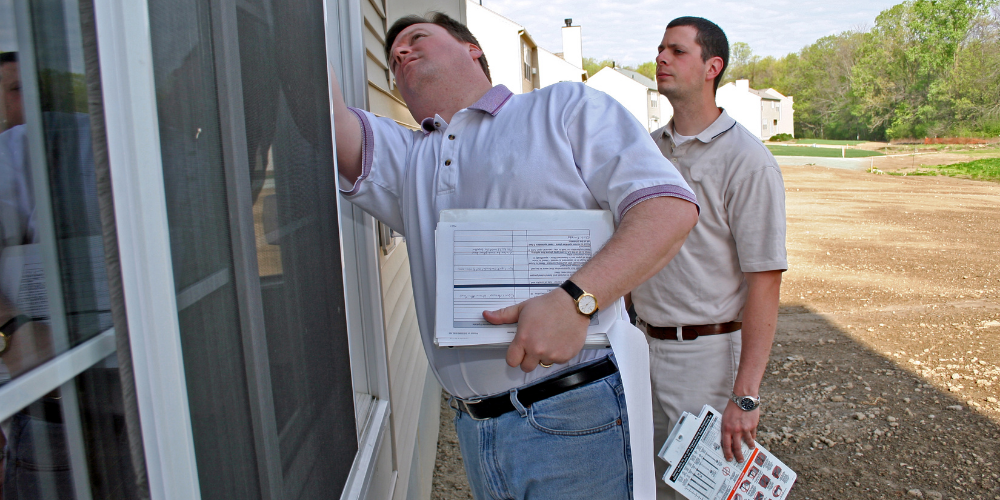
After learning what do home inspectors look for, the next step is understanding what happens afterward.
Inspection Report
You receive a detailed report outlining all findings.
Negotiation Opportunities
Buyers can request repairs or price adjustments.
Decision Making
You can proceed, renegotiate, or walk away based on the results.
This step is where a thorough home inspection checklist for buyers becomes incredibly valuable.
Benefits of Hiring Professional Inspectors
Choosing professionals like Halcomb Property Inspections ensures accuracy and reliability.
Expertise and Experience
Trained inspectors know exactly what do home inspectors look for and how to identify hidden issues.
Detailed Reporting
Clear and comprehensive reports help buyers make informed decisions.
Peace of Mind
You gain confidence in your investment.
Tips for Buyers Before Inspection Day
Preparing properly ensures a smoother experience.
Attend the inspection if possible
Review your home inspection checklist for buyers in advance
Take notes and ask questions
Focus on major house inspection items rather than minor cosmetic issues
Read Also: Comprehensive Home Evaluation: Know What You’re Really Buying
FAQs
What do home inspectors look for during an inspection?
They evaluate structure, systems, and safety including roof, plumbing, electrical, and HVAC systems.
What is included in a home inspection checklist for buyers?
A home inspection checklist for buyers includes structural components, systems, interior, exterior, and safety features.
What are the most important house inspection items?
Key house inspection items include the foundation, roof, electrical system, plumbing, and HVAC.
How long does a home inspection take?
Most inspections take 2 to 4 hours depending on property size and condition.
Should buyers attend the home inspection?
Yes, attending helps you better understand the findings and ask questions directly.
Conclusion
Understanding what do home inspectors look for is essential for making informed real estate decisions. From structural integrity to safety concerns, every detail matters when evaluating a property.
A complete home inspection checklist for buyers ensures no critical area is overlooked, while understanding key house inspection items helps you plan for future maintenance and costs.
Schedule Your Home Inspection Today
Ready to move forward with confidence? Halcomb Property Inspections is here to help you every step of the way.
Explore your options to learn more about our inspection services. When you're ready to book, Contact Us to schedule your professional home inspection today.
