What Do Home Inspectors Near Me Check Before You List?
If you're searching for home inspectors near me before you list, the inspection checks what a buyer's inspector will: the roof, attic, structure, electrical, plumbing, water heater, HVAC and drainage. At Halcomb Property Inspections, we do these seller inspections across Chandler, Tempe and the East Valley. That way, you see the report before any buyer does.
By Alex & Jeff, Certified Home Inspector · Last updated November 25, 2026
What happens during an inspection before you list?
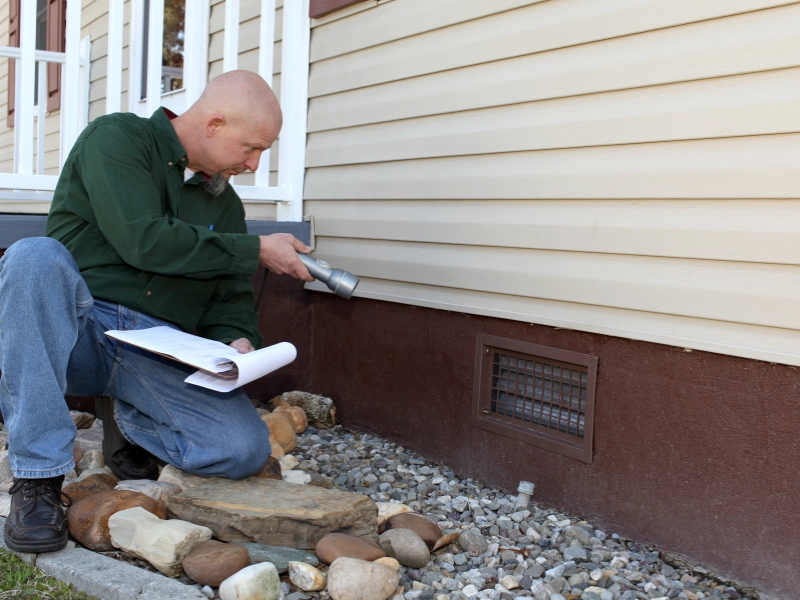
It's a full visual walk-through of your home, done for you as the seller rather than for a buyer. So if you've wondered what is a pre-listing inspection, think of a buyer's inspection where you own the report.
In Arizona, that inspection has to follow set rules. The Arizona Board of Technical Registration calls a home inspection a "picture in time" of visible conditions. It also requires certified inspectors to follow the state's Standards of Professional Practice. In practice, that means:
We report what we can see and safely reach, not what's sealed inside walls.
We don't estimate your home's value. That's the appraiser's job.
We'll flag items for a specialist, such as a roofer or HVAC tech, when they need a closer look.
On most single-family homes, the inspection takes a few hours. Then you get a photo report that sorts every finding by urgency.
What do inspectors check, system by system?
Inspectors check every major system a buyer's inspector will open up. In the East Valley, each one has its usual suspects. Here's what we look at, along with what we tend to find in Chandler homes:
System | What we check | What we often find in Chandler |
|---|---|---|
Roof | Tiles, flashing, valleys, underlayment where visible | Cracked or slipped concrete tiles, worn felt underlayment on 1990s roofs |
Attic | Insulation, ductwork, ventilation, pest signs | Crushed ducts, thin insulation, roof rat activity |
Electrical | Panel, breakers, GFCI outlets, smoke detectors | Double-tapped breakers, missing GFCIs near sinks and outside |
Plumbing and water heater | Supply lines, shutoffs, drains, tank condition | Heavy scale, leaking pressure-relief valves, older plastic supply lines |
HVAC | Age, operation, condensate lines, refrigerant lines | Units past 15 years, clogged condensate drains |
Exterior | Stucco, grading, irrigation, patio connections | Stucco cracks, drip lines soaking the foundation |
Pool (optional) | Pump, filter, heater, barriers, surfaces | Worn equipment, gate latches that don't self-close |
Hard water is a big reason the plumbing row fills up here. According to the City of Chandler's water quality FAQs, city water averages 16.5 grains per gallon of hardness. That scale builds up in water heaters, valves and fixtures. So a 10-year-old tank in Chandler often looks much older.
Pools work a little differently. Arizona inspectors only cover a pool when you hire them to, and then they follow separate pool and spa standards. That's why our pool inspections are booked as an add-on to the same visit.
Why do Chandler homes show different issues than Tempe homes?
Chandler and Tempe homes show different issues mainly because they were built in different decades. Much of Tempe was built between the 1960s and 1980s. Most of Chandler, however, went up in its 1990s and 2000s boom. As a result, the two cities wear out in different places.
In Chandler, many homes are at the age where original parts wear out together:
Felt underlayment under tile roofs is often 20 to 30 years old, even though the tiles look fine.
HVAC units in Ocotillo and Fulton Ranch have often been replaced once, so the second unit's age matters.
Some early-1990s homes still have plastic supply lines that buyers' lenders and insurers ask about.
Monsoon season adds another layer. After a summer storm, we look for lifted tiles, clogged scuppers on flat roof sections and fresh water stains in the attic. Those are easy to miss from the ground, but a buyer's inspector will climb up and find them.
Tempe homes near ASU and in south Tempe bring older wiring, cast iron drains and older panels instead. That's why our pre-listing property assessments in Chandler AZ focus on those newer-home patterns. Tempe reports, by contrast, lean harder on wiring and drains.
Selling in Chandler or Tempe soon?
Call: (480) 273-9328
Hours: Mon - Sun 6:00 am - 9:00 pm
Offer: Free quote on a pre-listing inspection

How should you prep the house for inspection day?
You should prep by making every system easy to reach and leaving the utilities on. Anything we can't access goes into the report as "not inspected," and buyers read that as a question mark. Before we arrive, it helps to:
Clear a path to the attic hatch, which is often in a garage or hallway closet.
Move boxes away from the electrical panel, water heater and HVAC unit.
Keep the water, power and gas on, with pilot lights lit.
Unlock side gates and the pool equipment area.
Put pets somewhere safe for a few hours.
It's also worth swapping the HVAC filter and replacing dead smoke detector batteries first. They're cheap fixes, and they keep small items off the report. Finally, plan to stop by at the end, since we're happy to walk you through the findings in person. For more, our guide on preparing your home for a buyer's inspection works for sellers too.
How do you choose home inspectors near me for a listing?
Choose home inspectors near me who are Arizona-certified, write clear reports and can bundle add-ons. A few quick checks make the difference:
State certification. Arizona requires a national exam, classroom training and 30 supervised inspections before an inspector can work on their own. You can confirm anyone on the Board's registered professional search.
A sample report. Ask to see one. Look for photos, plain-language notes and findings sorted by urgency.
Add-ons in one visit. Pool reports and termite reports (WDIIR) are separate in Arizona. Our termite inspection guide for Chandler explains who can issue one.
Turnaround time. A report that arrives quickly gives you more time for repairs and bids.
Every inspector at Halcomb is InterNACHI-certified and fully licensed in Arizona. Our residential property inspections follow the same standards whether you're buying or selling.
Where do we inspect around Chandler and Tempe?
We inspect homes throughout Chandler and Tempe, plus the surrounding East Valley, every week. If you need pre-listing assessments near Chandler and Tempe AZ, we cover downtown Chandler, Ocotillo, Fulton Ranch and the Price Corridor. We also work in south Tempe and around ASU.
You'll find more about each city on our Chandler home inspection page and Tempe home inspection page. We also work in Gilbert, Mesa, Phoenix and Scottsdale.
In the end, the best home inspectors near me give you the full picture while you can still act.

Frequently asked questions
1. Why would a seller pay to find their own problems?
A seller pays because the buyer's inspector will find the same issues anyway, and learning about them first costs far less than learning mid-escrow. For anyone searching should a seller get their house checked before listing, the short answer is yes for most resale homes in the Valley, especially those more than 15 years old.
2. What does knowing first actually change at the negotiating table?
Knowing first lets you set the terms, since you can repair items, price them in or hand buyers the report up front so their inspection confirms what they already know. Getting ahead of the buyer's findings also shrinks the repair list buyers can lean on during Arizona's usual 10-day inspection period, which typically means smaller credits and fewer deals falling apart.
3. Does everything found have to be fixed, or just disclosed?
Not everything has to be fixed, since Arizona doesn't require sellers to repair inspection findings, but known material defects generally have to be disclosed to buyers, usually on the Seller's Property Disclosure Statement. For anyone searching does a seller have to fix everything found, fixing against disclosing comes down to cost: repair safety items and anything a lender will flag, then disclose the rest with the report attached.
4. How far ahead of listing is worth doing this?
About four to six weeks ahead of listing is the sweet spot, because it leaves time to collect contractor bids, finish repairs and update your disclosures without rushing. Having a Chandler home looked at before putting it on the market much earlier still helps, but an older report can miss monsoon or summer AC damage.
5. What does it cost against what it typically saves?
It usually costs the same as a standard Arizona home inspection, roughly $350 to $650 by size and age, with pool and termite reports extra. It typically saves far more, because one buyer credit for a roof, HVAC or plumbing problem found mid-escrow often runs into the thousands.
Visit or Call Us
Halcomb Property Inspections
Service area: Phoenix Metropolitan Area, AZ
Phone: (480) 273-9328
Hours: Mon - Sun 6:00 am - 9:00 pm
InterNACHI-certified home inspectors, fully licensed in Arizona
Serving Chandler, Tempe, Gilbert, Mesa, Phoenix and Scottsdale. Call for a free quote, or use our contact page to book your inspection.
