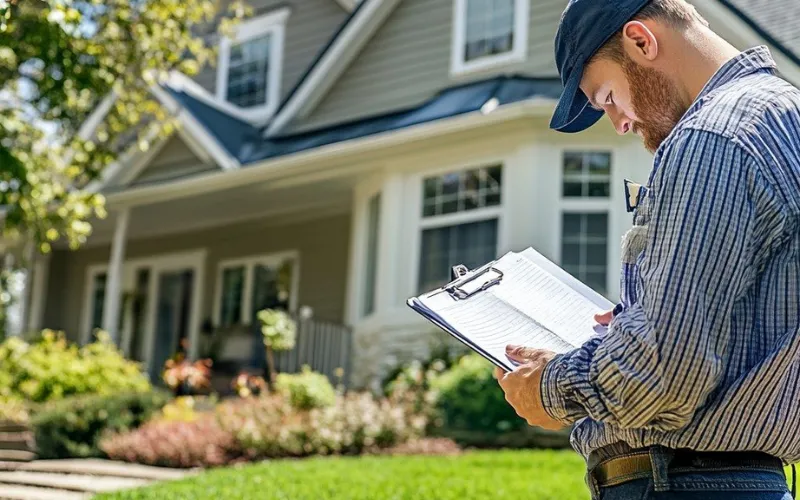
Structural Home Inspection: The Real Story Behind Your Home’s Strength
Looks can fool you. That house you love—the one that feels so solid, so perfect—it might be hiding something. Behind the drywall, under the flooring, deep in the beams... that’s where the truth lives. The structure. The bones. The part of your home that decides if it stands strong or starts to fail. And honestly? You can’t always tell just by looking.
That’s why structural home inspections matter. Big time. They’re not about scaring you. They’re about protecting you. From cracks that mean more than they look. From shifts that you can’t see but your floors can feel. From slow, silent damage that doesn’t show up until it’s too late. A good inspection? It tells you everything the house won’t say out loud.
And nobody does that better than Halcomb Property Inspections. These guys don’t rush. They don’t guess. They see. Every beam. Every joint. Every inch that might be giving way. They use advanced tools and old-school experience—the perfect mix. You’ll get a report that’s straight-up honest. No fluff. No confusion. Just clear answers and smart advice from people who actually care. Halcomb’s name has become a quiet promise across Arizona. Precision. Integrity. Real peace of mind.
Key Takeaways
✓ A structural home inspection digs deep into your home’s bones—foundation, framing, load paths, and supports.
✓ It includes a detailed foundation and framing check, not just surface visuals.
✓ A professional inspection finds early warning signs before they turn costly.
✓ Knowing your structure’s true condition helps you make smart, confident decisions.
✓ It’s not just about fixing. It’s about preventing.
What Exactly Is a Structural Home Inspection?
Here’s the truth. Most people confuse a home inspection with a structural one. They’re not the same thing.
A structural home inspection focuses only on the parts that keep your home standing: the skeleton. That includes your beams, columns, foundation, roof framing, walls—basically, anything load-bearing.
You won’t hear much about faucets or outlets here. This is about strength. Integrity. Alignment.
It’s the type of inspection that goes beyond just “looking.” It studies why something moved, how bad it is, and what can happen next.
Why Most Regular Inspections Miss Structural Issues
A general home inspector might spot cracks. Maybe a sloping floor. But do they know what’s actually causing it?
Not always.
Here’s where things get tricky. Some cracks are harmless. Others scream structural movement.
Without the right experience or instruments—like laser levels or load path analysis—most inspectors just take a guess.
That’s the gap a structural inspection fills. It’s science meets common sense. It doesn’t just see damage. It understands it.

The Core of a Structural Home Inspection
When an inspector comes for a structural home inspection, they’re not walking around with a clipboard and flashlight.
They’re analyzing. Measuring. Connecting dots.
Here’s what they’ll actually look at:
✓ Foundation: Cracks, shifting, moisture damage, soil settlement.
✓ Framing and joists: Warping, rot, deflection.
✓ Roof trusses: Load distribution, sagging, or twist.
✓ Load paths: How weight moves from roof to ground.
✓ Walls and beams: Any bowing, bulging, or stress signs.
✓ Moisture and drainage: Water is the quiet destroyer.
✓ Connections: Bolts, anchors, and fasteners that hold it all together.
This is where the foundation and framing check happens. Both are reviewed together because, let’s face it, they work as one system. A weak base messes up the entire frame above.
The Step-by-Step Breakdown
Initial Talk. You share what you’ve noticed. Cracks, creaks, shifting floors. Every clue matters.
Exterior Pass. The inspector walks the perimeter, looking at grading, slope, and cracks.
Interior Review. Inside walls, ceilings, and floors. Even minor changes tell big stories.
Attic and Crawl Spaces. Where problems hide—rot, insects, moisture.
Laser & Leveling Tools. To measure elevation differences.
Load Path Analysis. Checking how your home handles weight and stress.
Report Delivery. Detailed notes, diagrams, photos, and next steps.
It’s not rushed. It’s deliberate. Done right, it can literally save your home.
Structural vs. Foundation vs. General Home Inspection
You’ve probably heard these terms tossed around. They sound similar, but they’re not interchangeable.
A home inspection covers everything—plumbing, electrical, HVAC, roofing, etc. Think general overview.
A foundation inspection zooms in on the base—footings, slabs, and soil interaction.
A structural home inspection covers both, plus framing, beams, joists, roof support, and alignment.
It’s like comparing a physical check-up to a full MRI.
Both useful. One goes deeper.
When You Actually Need One
When buying an older home.
When you see cracks, sagging, or sticking doors.
After flooding or an earthquake.
Before adding a second story or major remodel.
When foundation repairs are already suspected.
If you’re asking, “Do I need one?”—you probably do.
Why It’s Worth Every Penny
Let’s be blunt. A structural home inspection can feel expensive.
But what’s more expensive? Replacing a foundation beam. Fixing cracked walls every year. Watching your house slowly shift.
You’re not just paying for an opinion. You’re paying for peace of mind.
A few hundred bucks now could save you tens of thousands later.
We’ve seen it happen. Too many times.
Real Cases, Real Lessons
Case 1: A family in Mesa noticed small drywall cracks. Their inspector said it was “normal settling.” Six months later, a structural inspection found one corner had sunk an inch. Root cause? Poor drainage. Quick fix back then. Huge repair bill later.
Case 2: A buyer almost skipped the inspection. The home looked fine. Until a foundation and framing check revealed a shifted load-bearing wall. The deal got renegotiated by $20,000.
Case 3: A couple wanted to remodel. The inspector said their existing floor beams couldn’t handle the extra load. They reinforced before building. Saved them from future sagging nightmares.
Every story has one thing in common: catching problems early changed everything.
What Makes a Good Structural Inspection Report
This part’s huge.
Anyone can hand you a PDF with red arrows. That’s not a good report.
A proper one should include:
✓ Clear explanations. Not just “beam cracked.” Explain why, how severe, and what’s next.
✓ Severity levels. Is it cosmetic, moderate, or urgent?
✓ Photos and diagrams. Show, don’t just tell.
✓ Repair options. More than one. With pros and cons.
✓ Monitoring tips. Not everything needs fixing today.
✓ Limitations stated. Transparency matters.
The goal is clarity. So you understand your home without needing an engineering degree.
Why the Inspector’s Credentials Matter
Would you trust your heart to someone who’s not a doctor?
Same idea here.
A qualified structural inspector—ideally with engineering background—knows the math behind your home’s strength.
They understand deflection, soil pressure, stress points.
And they can explain it in words you actually understand.
Not all inspectors can do that. Some only identify symptoms, not causes.
Big difference.
Common Issues Found During Structural Inspections
Let’s break down what these inspections actually uncover.
Cracks that trace through walls and ceilings—signs of foundation shift.
Sagging beams or floor joists.
Bowing basement walls from soil pressure.
Rot, termites, or moisture-damaged wood.
Improper framing from past DIY projects.
Rusted metal connectors or anchors.
Uneven settlement—one corner sinking faster than others.
Most of these start small.
But they don’t stay that way.
That’s why a foundation inspection and framing analysis go hand in hand.
They expose what’s happening before it spreads.

How to Choose the Right Structural Inspector
This is where people go wrong. They Google “home inspector near me,” pick the cheapest, and call it a day.
Don’t.
Ask these questions first:
Are you licensed or certified for structural evaluations?
Do you perform both foundation and framing checks?
What instruments do you use for measurement?
Can I see a sample report?
Do you carry insurance?
How do you rank severity?
Do you also offer repairs, or are you independent?
The last one’s important.
If your inspector also sells repairs, conflict of interest can sneak in.
Always ask.
Red Flags to Watch For
“Quick visual checks only.” Nope.
No tools, no measurements. Just opinions.
Reports full of vague language—“might be,” “could be,” “probably.”
Pressure to sign for immediate repairs.
A good inspector educates you. A bad one sells you.
The Real Cost (and Why It’s Justified)
Let’s talk numbers.
Prices vary depending on where you live and how complex your home is.
Typical range? $400 to $1,200.
If you add detailed analysis or engineering stamps, it can reach $2,000+.
Seems steep, right?
But think about it—foundation repairs often start around $5,000 and can climb fast.
So, spend a little now to avoid spending a fortune later.
That’s not an expense. That’s insurance.
After the Inspection: What Happens Next
You’ve got the report. Now what?
Read it carefully. Don’t panic. Just digest.
Rank the issues. What’s urgent vs. what can wait.
Get bids. Compare multiple repair quotes if needed.
Handle drainage or moisture problems first. Always the root.
Plan structural repairs logically. Don’t jump to cosmetic fixes first.
Schedule re-inspection. Especially after major work.
A good inspector might even check in months later, just to make sure your home’s stabilizing.
That’s real service.
Maintenance Tips to Keep Your Home Structurally Sound
Structural inspections don’t end with a report. The real work starts afterward.
Here’s how to stay ahead:
✓ Keep gutters clean and drain water away from the foundation.
✓ Maintain proper grading—ground should slope outward.
✓ Check crawl spaces for moisture and pests.
✓ Don’t plant big trees right next to your foundation.
✓ Watch for new cracks or stuck doors—subtle early warnings.
✓ Manage interior humidity to avoid wood swelling.
✓ Reinspect every few years, especially for older homes.
Small habits now. Big savings later.
FAQs
Q1: Is a structural inspection only needed for old homes?
Nope. New homes can have issues too. Poor grading, bad framing, rushed builds—it happens more than you think.
Q2: Who performs a structural inspection?
Usually a structural engineer or licensed specialist with training in load-bearing systems.
Q3: Can I just get a foundation inspection instead?
You can, but a foundation inspection alone might miss upper-frame issues. Always better to include the foundation and framing check together.
Q4: How long does it take?
Usually 2–4 hours, depending on home size. More if documentation or measurements are extensive.
Q5: Will insurance cover structural problems?
Not always. Gradual wear or poor maintenance usually isn’t covered. But inspection reports help with claims and future documentation.
Conclusion
A structural home inspection isn’t just a box to tick. It’s your home’s truth serum.
It reveals what’s happening behind the walls, under the floors, and inside the beams that carry everything.
Paired with a foundation inspection and foundation and framing check, it gives you the full story—no guessing, no sugarcoating.
And once you know the truth, you can act. Smartly. Confidently. Without fear.
That’s the real value. Not just finding problems, but understanding them.
Call to Action
Don’t wait for cracks to get worse. Don’t wait until your floors tilt or walls bulge.
Schedule your structural home inspection with Halcomb Property Inspections today.
We don’t just inspect—we explain.
We don’t just report—we guide.
Contact us today for a free quote and priority scheduling in your city.
Your home deserves to stand strong. Let’s make sure it does.
