What Do Home Inspectors Check? Complete AZ Guide
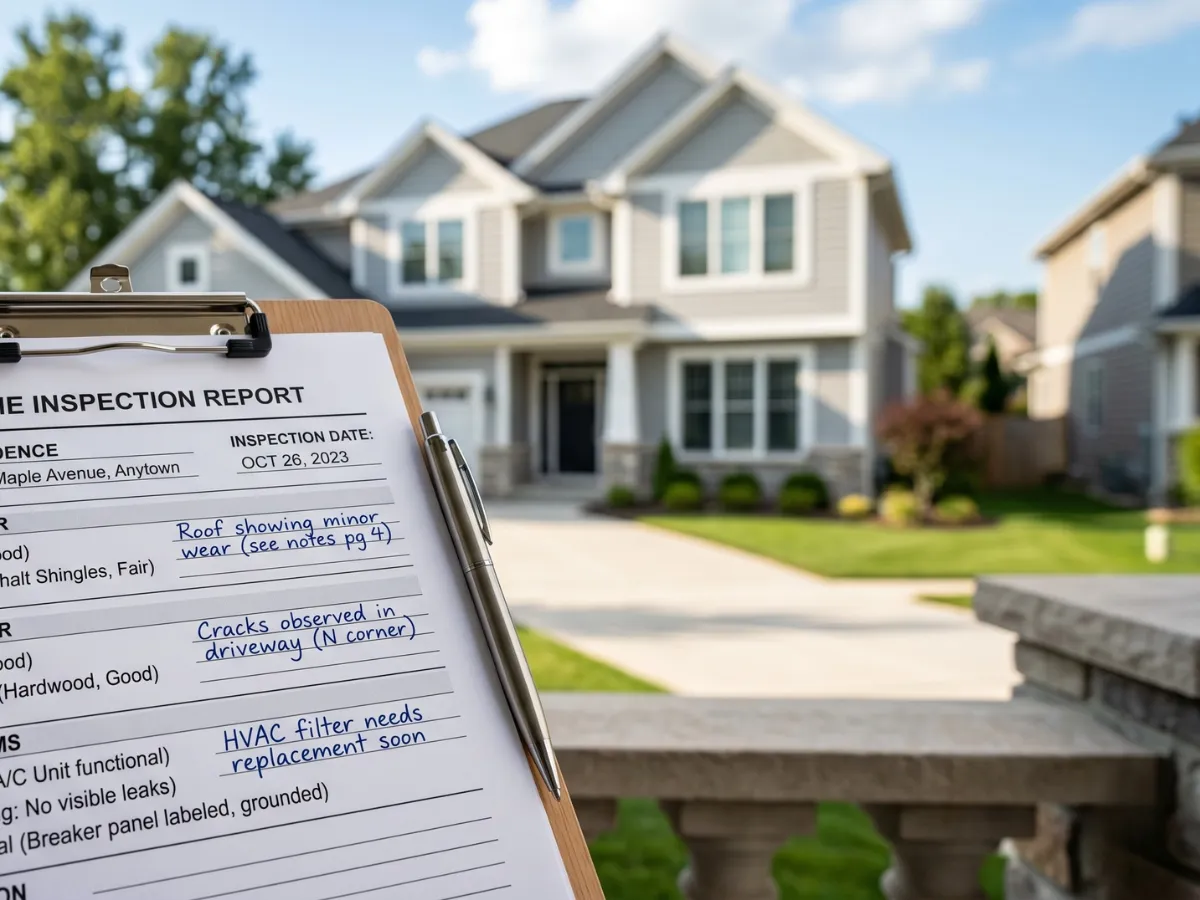
A home inspection includes a visual evaluation of the roof, foundation, exterior, electrical system, plumbing, HVAC, insulation, ventilation, and all interior living spaces. An inspector works through every accessible area of the property, documents what they find, and delivers a written report with photos, typically the same day.
What it does not include is just as important. Pools, septic systems, termite inspections, and environmental testing are separate add-ons, not part of the standard inspection. In Apache Junction and the broader Phoenix metro, desert-specific concerns like stucco cracking, UV deterioration, and termite activity give the inspection process an extra layer that buyers relocating from other states often don't expect. Arizona requires all home inspectors to be certified through the Arizona State Board of Technical Registration, passing the National Home Inspector Examination and completing 30 supervised parallel inspections before working independently.
Key Takeaways
Inspectors evaluate all major systems: roof, structure, electrical, plumbing, HVAC, and interior.
Arizona homes have desert-specific risks: termites, UV damage, stucco cracks, and HVAC strain.
Pools, septic, and environmental testing are not included in a standard inspection.
Attend in person. Walking through with the inspector is more valuable than reading the report alone.
The report is a negotiating tool, not a pass or fail grade.
What Is Included in a Home Inspection? The Complete Checklist
If you want to know what does a home inspection includes from top to bottom, here is exactly what a licensed inspector evaluates during a standard residential inspection.
Roof
Inspectors assess roofing material condition, missing or cracked tiles, flashing around chimneys and skylights, gutters, and visible signs of sagging. Flat roofs, which are common in Arizona, get specific attention for ponding water and membrane wear. In Apache Junction, intense UV exposure and monsoon events accelerate wear faster than most buyers from out of state realize.
Exterior and Structure
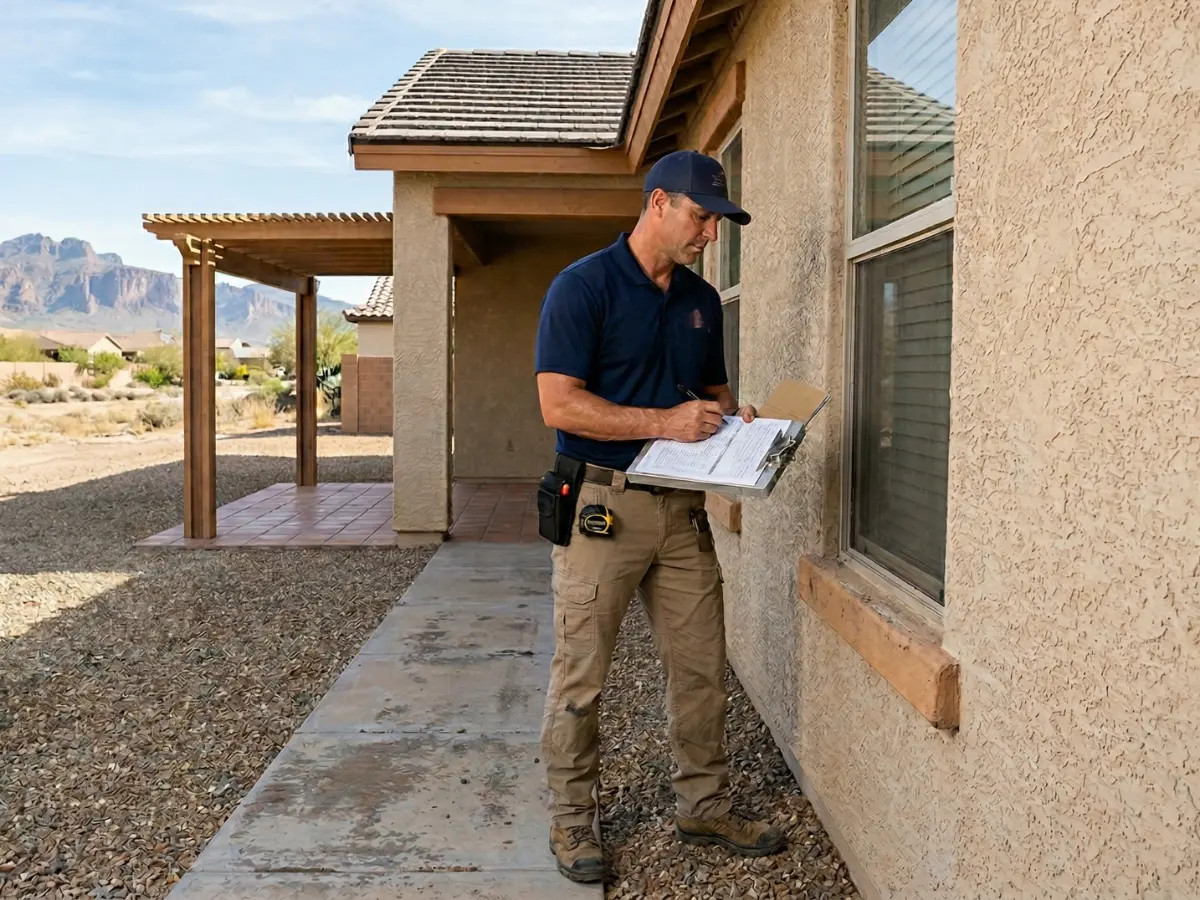
The outside of the home tells a story. Inspectors check stucco condition for cracks and moisture intrusion, grading and drainage, driveways, retaining walls, fences, and outdoor structures like patios and ramadas. Hairline stucco cracks are often cosmetic, but cracks at window corners or around penetrations can let water in during monsoon season.
Foundation
Slab-on-grade is the most common foundation type in Apache Junction. Inspectors look for signs of settlement or shifting, cracks in drywall and masonry, and misaligned window and door frames. Arizona's expansive soils shift with moisture changes, so foundation movement shows up more often here than in other states.
Electrical System
Electrical problems are among the most common findings in any home inspection. Inspectors check the main panel for breaker condition and signs of overheating, outlet grounding and GFCI protection in kitchens, bathrooms, and garages, smoke and carbon monoxide detectors, and visible wiring. The U.S. Consumer Product Safety Commission recommends GFCI protection in all wet areas of the home, a standard inspectors verify during every visit. Older Apache Junction homes may still have Federal Pacific or Zinsco panels, both of which are flagged as safety concerns.
Plumbing
Inspectors evaluate water supply line materials and condition, drain flow, water heater age and condition, fixture function, water pressure, and any signs of past or active leaks. Polybutylene and galvanized steel piping come up regularly in older Arizona homes and are worth noting in any report.
HVAC Systems
In Apache Junction, the HVAC system gets serious scrutiny. Summer temperatures regularly exceed 110 degrees, and a failing unit is a genuine health risk, not just an inconvenience. Inspectors check cooling and heating system age and condition, airflow from all registers, visible ductwork, thermostat function, and condensate drain lines. Any unit approaching or past its expected service life gets flagged.
Insulation and Ventilation
A poorly ventilated attic in Arizona can push interior temperatures beyond what even a well-functioning AC can manage. Inspectors check attic insulation type and depth, soffit and ridge vents, and any signs of moisture or pest activity in the attic space.
Interior
Inside the home, inspectors assess walls, ceilings, and floors for cracks, stains, and soft spots; windows and doors for proper operation and sealing; stairs and railings for stability; bathrooms for tile, grout, caulking, and ventilation; kitchen plumbing and appliance connections; and fireplaces where present.
Garage
Garage evaluations include door operation and auto-reverse safety function, fire separation wall between the garage and living space, electrical outlets, and slab condition.
Apache Junction-Specific Concerns
The home inspection checklist in Apache Junction goes beyond the standard because the desert environment creates risks that buyers from other climates often don't anticipate. Knowing what do home inspectors look for in this region specifically can help you prepare the right questions before your inspection day.
Termites. Pinal County sits within one of the most active subterranean termite zones in North America. According to the U.S. Department of Agriculture Forest Service, subterranean termites cause more structural damage annually than fires and storms combined. A separate Wood Destroying Insect Inspection (WDIIR) is strongly recommended and often required by lenders.
UV and heat damage. Years of Arizona sun deteriorate roofing materials, exterior caulking, wood elements, and HVAC equipment faster than in most other climates. An experienced local inspector knows the difference between normal weathering and components that genuinely need attention.
Monsoon drainage. Apache Junction gets concentrated rainfall from July through September. Proper grading away from the foundation is critical, and inspectors assess whether the property is prepared to handle that water load.
What a Home Inspection Does Not Cover
A general home inspection does not include pools or spas, septic systems, private wells, mold or air quality testing, termite inspections, underground utilities, or anything behind walls and under flooring. Radon testing is also a separate add-on. The U.S. Environmental Protection Agency recommends testing all homes for radon regardless of location, as it is the second leading cause of lung cancer in the United States. If your home has a pool or is on a septic system, those require separate inspections and are worth adding.
Read also: Spring Home Maintenance Inspection Checklist for Homeowners
What Happens After the Inspection?
Your inspector delivers a written report, typically the same day, with photographs and repair recommendations for every finding. From there, you can negotiate repairs, request a closing credit, ask for a price reduction, or in significant cases, walk away using the inspection contingency in your contract.
No home is perfect. Inspectors find items in virtually every property. The goal is not a flawless report. The goal is to understand what you are buying and make a decision with clear information.

Frequently Asked Questions
1. What is included in a home inspection?
A standard home inspection includes a visual assessment of the roof, foundation, exterior, electrical system, plumbing, HVAC, insulation, ventilation, and all interior living spaces. In Apache Junction, inspectors also evaluate stucco condition, UV wear, and termite evidence. Pools, septic systems, and environmental testing require separate add-ons.
2. What do home inspectors look for in Arizona homes?
Beyond the standard checklist, Arizona inspectors focus on UV-related deterioration, stucco cracking and moisture intrusion around windows and penetrations, evidence of termite activity or prior treatment, HVAC systems under strain from extreme heat, and drainage concerns related to monsoon season.
3. How long does a home inspection take?
Most inspections run two to four hours. Larger homes, older properties, and those with pools or multiple HVAC systems take longer. Attending in person is strongly recommended so the inspector can walk you through findings as they work.
4. Should I attend the home inspection?
Yes, every time. Walking through with the inspector gives you firsthand understanding of the home's systems, the location of shutoffs, and the real context behind every finding. A written report alone doesn't replace that.
5. What is the difference between a home inspection and an appraisal?
A home inspection evaluates the physical condition of the property. An appraisal determines its market value. They serve different purposes, are conducted by different professionals, and happen at different points in the transaction. Most buyers need both.
6. Can a house fail a home inspection?
No. A home inspection produces a report, not a grade. Inspectors document what they find without labeling the home as acceptable or unacceptable. What you do with those findings is your decision.
7. Do new construction homes need inspections?
Yes. Construction defects, incomplete work, improper grading, and installation errors show up regularly in newly built Arizona homes. Never assume a brand-new home is problem-free.
8. What is a 4-point inspection?
A 4-point inspection covers four systems: roof, electrical, plumbing, and HVAC. Insurance providers often require it for older homes. It is not a substitute for a full inspection but can be bundled with one to save time.
Schedule Your Home Inspection
At Halcomb Property Inspections, every inspection includes InterNACHI certification, 20+ years of field experience, thermal imaging, and a same-day detailed report. We serve Apache Junction, Phoenix, Scottsdale, Mesa, Chandler, and the greater Maricopa County area. We work for you, and our satisfaction guarantee means we stand behind every report.
Ready to book? Contact us or call (480) 273-9328.
