
Home Inspection Checklist for Buyers: What to Know Before You Close
A home inspection checklist for buyers covers nine core areas: roof, foundation, exterior, electrical, plumbing, HVAC, insulation, ventilation, and all interior living spaces. Every accessible system gets evaluated, documented with photos, and delivered in a written report, typically the same day. In Arizona, that list also includes termite activity, UV-related roof wear, stucco moisture intrusion, and HVAC performance under extreme heat, risks that standard national checklists rarely account for.
At Halcomb Property Inspections, we have spent over 20 years inspecting homes across Phoenix, Chandler, Scottsdale, Mesa, Apache Junction, and the greater Maricopa County area. Our InterNACHI-certified inspectors use thermal imaging, deliver same-day reports, and work exclusively for the buyer. Our satisfaction guarantee means we stand behind every finding in every report.
Key Takeaways
All major systems are covered: roof, foundation, electrical, plumbing, HVAC, and interior.
Arizona adds desert-specific risks: termites, UV damage, stucco cracks, and HVAC strain.
Attend in person. It is the single best thing a buyer can do.
The report is a negotiating tool, not a verdict on whether to buy.
Add-ons like termite, pool, and sewer scope are separate and worth scheduling upfront.
What Does a Home Inspection Checklist for Buyers Actually Cover?
Here is what a licensed inspector evaluates during a standard residential inspection in Arizona. Knowing what to expect during a home inspection helps you follow along, ask the right questions, and understand the report when it lands in your inbox.
Roof — Roofing material condition, missing or cracked tiles, flashing around chimneys and skylights, gutters, and signs of sagging. Flat roofs get specific attention for ponding water and membrane wear. Arizona's UV exposure and monsoon season accelerate deterioration faster than most out-of-state buyers expect.
Exterior and Stucco — Stucco condition for cracks and moisture intrusion, grading and drainage, driveways, fences, and outdoor structures. Stucco cracks at window corners are among the most common monsoon water entry points in Arizona.
Foundation — Signs of settlement or shifting, misaligned doors and windows, and drywall cracks. Arizona's expansive soils shift with moisture changes, making foundation movement more common here than in many other markets.
Electrical System — Main panel condition, GFCI protection in kitchens, bathrooms, and garages, outlet function, and visible wiring. Older Phoenix-area homes sometimes still have Federal Pacific or Zinsco panels, both of which have documented fire risk histories. According to the U.S. Consumer Product Safety Commission, electrical failures cause tens of thousands of home fires annually in the United States.
Plumbing — Supply line materials and condition, drain flow, water heater age and function, water pressure, and evidence of leaks. Galvanized steel and polybutylene piping are flagged regularly in older Arizona homes.
HVAC Systems — System age, airflow from all registers, ductwork, thermostat function, and condensate drain lines. In Arizona, HVAC is a safety system. A cracked heat exchanger can allow carbon monoxide into the living space. The U.S. Environmental Protection Agency classifies carbon monoxide as a critical indoor air quality hazard.
Insulation and Ventilation — Attic insulation type and depth, soffit and ridge vents, and signs of moisture or pest activity. Inadequate attic ventilation is one of the most overlooked issues in Arizona homes.
Interior — Walls, ceilings, and floors for cracks, stains, and soft spots; windows and doors for proper operation; stairs and railings; bathrooms for tile, caulking, and ventilation; kitchen plumbing and appliance connections; and fireplaces where present.
Garage — Door operation and auto-reverse safety function, fire separation wall integrity, electrical outlets, and slab condition.
What Should Buyers Do at a Home Inspection?
Should You Attend the Home Inspection in Person?
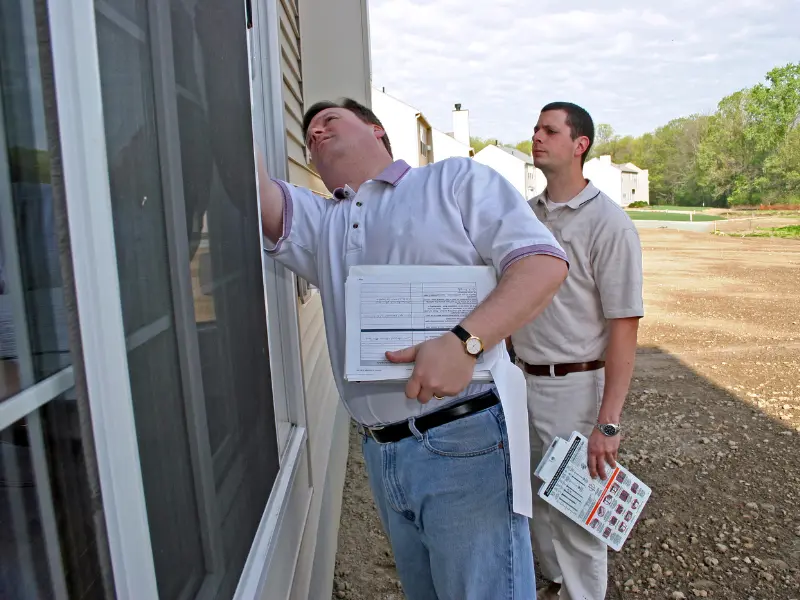
Yes, every time. Buyers who walk through with the inspector understand the report far better than those who only read it afterward. You can ask questions in real time, see findings firsthand, and hear the inspector explain what is structural versus what is routine. That context is invaluable when you sit down to negotiate.
How Should You Prepare Before Inspection Day?
One of the most practical home inspection tips for buyers is to prepare the property before the inspector arrives. Make sure the attic access panel, electrical panel, water heater, and HVAC units are all accessible. Blocked access extends the inspection and in some cases means a component cannot be evaluated at all. Bring a notebook. You will hear a lot in a short period, and writing down key points helps when you review the written report later.
How Do You Read the Inspection Report?
A report with 25 findings is not a sign of a bad home. Inspectors find items in virtually every property. Focus on what is safety-related or structural rather than cosmetic. Those are the findings worth negotiating over. Items requiring immediate repair or flagged as safety concerns are your leverage.
Home Inspection Guide for First Time Buyers: What Add-Ons Should Arizona Buyers Consider?
Do Arizona Buyers Need a Termite Inspection?
Yes. Arizona is one of the highest-risk states for subterranean termite activity. A Wood Destroying Insect Inspection (WDIIR) is a separate inspection conducted by a licensed pest control company. According to the U.S. Department of Housing and Urban Development, FHA and VA loans typically require a WDIIR before closing. Even without a lender requirement, it is worth booking for any Arizona purchase.
Should You Add a Pool, Sewer Scope, or 4-Point Inspection?
If the home has a pool, a dedicated pool inspection covering pumps, filters, and safety barriers is a smart add-on. For homes over 20 years old, a sewer scope sends a camera through the lateral line to identify root intrusion or pipe collapse before they become your problem after closing. If your insurance provider requires it, a 4-point inspection covering the roof, electrical, plumbing, and HVAC can be bundled with your full inspection to save an additional visit.
How Do You Use the Inspection Report After the Inspection?
Once you have the report, you can ask the seller to complete repairs before closing, request a credit at closing, negotiate a price reduction, or walk away using the inspection contingency. The Arizona Department of Real Estate notes that sellers are required to disclose known material defects, and your inspection report gives you independent documented evidence to support any negotiating position.
Read also: What Does a Home Inspection Include? Your Complete Checklist

Frequently Asked Questions
1. What should buyers do at a home inspection?
Attend in person, clear access to all major systems before the inspector arrives, and bring a notebook. Buyers who show up in person understand the report better and negotiate from a stronger position.
2. What is included in a home inspection checklist for buyers?
Roof, foundation, exterior, electrical, plumbing, HVAC, insulation, ventilation, and all interior spaces. In Arizona, inspectors also evaluate stucco, UV wear, and termite evidence. Pools and environmental testing are separate add-ons.
3. How is a home inspection different from an appraisal?
A home inspection evaluates the physical condition of the property. An appraisal determines its market value. Different professionals, different purposes, different points in the transaction.
4. Can a first time buyer skip the home inspection?
No, and it is one of the riskiest decisions a buyer can make. In Arizona, hidden HVAC failures, termite damage, stucco moisture intrusion, and pool equipment issues can each cost thousands with no negotiating leverage.
5. What add-on inspections should Arizona buyers consider?
Termite inspection (WDIIR), pool and spa inspection, sewer scope for homes over 20 years old, and a 4-point inspection if your insurance provider requires it.
6. How long does a buyer have to complete the inspection in Arizona?
Most Arizona contracts include a 10-day inspection period from contract acceptance. Schedule as early as possible to give yourself the most time to review findings and negotiate.
7. What happens if the inspection finds serious issues?
Request repairs, ask for a closing credit, negotiate a price reduction, or walk away using the inspection contingency. Serious findings are leverage, not automatic deal-breakers.
8. Is a home inspection required in Arizona?
No, it is not legally required. But it is strongly recommended. Lenders may require specific tests like a termite report for FHA and VA loans, but the general home inspection is always the buyer's choice.
Book Your Arizona Home Inspection with Halcomb Property Inspections
This home inspection checklist for buyers gives you a clear picture of what your inspector evaluates and how to get the most out of the process. The next step is booking with a certified inspector who knows Arizona's housing stock and desert-specific risks.
At Halcomb Property Inspections, every inspection includes InterNACHI certification, 20+ years of local experience, thermal imaging, and a same-day report. We serve Phoenix, Chandler, Scottsdale, Mesa, Apache Junction, and the greater Maricopa County area. We work for you, and our satisfaction guarantee means we stand behind every report.
Ready to book your residential home inspection or add a pool inspection or pest inspection? Contact us today or call (480) 273-9328 for a free quote.
