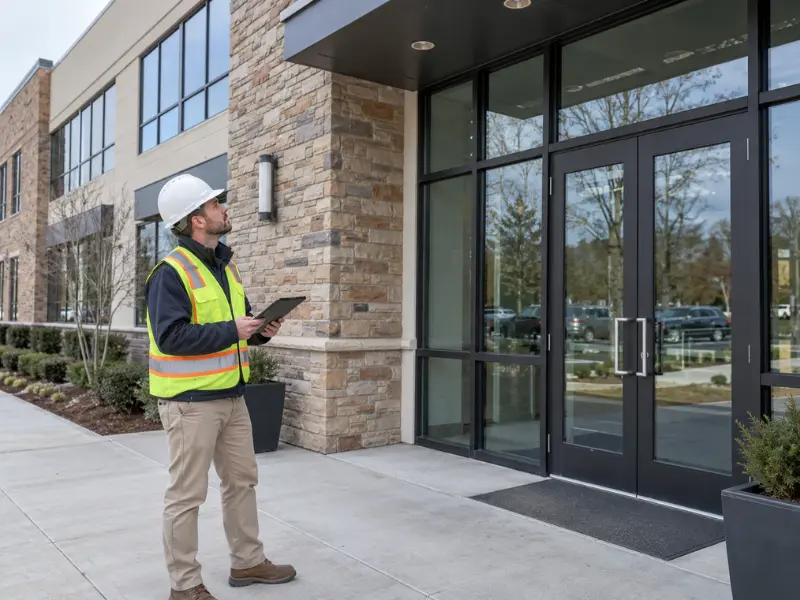
What Do Building Inspectors Actually Do in Scottsdale?
That depends on which kind you mean — and the two people the phrase describes do genuinely different jobs for genuinely different clients. One works for the City. The other works for you. Hiring the wrong idea of an inspector is how buyers end up assuming a question has been answered when nobody has asked it.
By Alex & Jeff, Certified Home Inspector · Last updated September 14, 2026
Which Kind of Inspector Do You Mean?
Two roles, one phrase, and the difference matters.
The municipal building inspector is a code official employed by the jurisdiction. They inspect permitted construction at defined stages — footing, framing, rough mechanical, final — and their question is whether the work meets code. They have enforcement authority. They do not work for you, they aren't assessing the rest of the house, and once a permit is closed their involvement ends.
The private certified inspector is engaged by a buyer, seller or owner to assess the condition of a property as it stands. No enforcement authority, no code-compliance certification, and no relationship with the jurisdiction. What they have instead is a duty to the person paying them.
That distinction produces the most common misunderstanding in this business: the house passed inspection, so it must be fine. A municipal sign-off means permitted work met the code minimum on the day it was checked. It says nothing about workmanship, nothing about what's happened since, and nothing at all about the parts of the property that were never part of a permit.
Our new construction guide works through that gap in detail, because it's sharpest on a brand-new house where people assume the two are interchangeable.
So when you search for building inspectors Scottsdale AZ, be clear which you're after. For anything to do with buying, selling or understanding a property you already own, it's the second kind.
What Do Building Inspectors Check?
What do building inspectors check on the private side isn't decided firm by firm — Arizona certified inspectors work to a common Standards of Professional Practice, so two inspectors should be assessing the same list.
Broadly, everything you can see and operate: the structure and what it sits on, the roof and how water leaves it, the exterior envelope and how the ground slopes away, the attic and its insulation, the electrical service and panel, water supply and drainage, the water heater, the HVAC run in season, interior finishes, doors and windows, and the life-safety items — alarms, the garage separation, guards and handrails.
The boundary is visibility and operability. If something can't be seen without taking the building apart, can't be safely operated on the day, or requires instrumentation and calculation rather than observation, it falls outside. Pools, spas, septic and termite each sit in their own scope, and some require a separately licensed provider under Arizona rules.
Our Scottsdale house inspection guide covers what that means locally — drip irrigation as the commonest source of water reaching a foundation here, decomposed granite that stops draining away from the house, and Native Plant Ordinance limits on removing mature saguaro and ironwood.
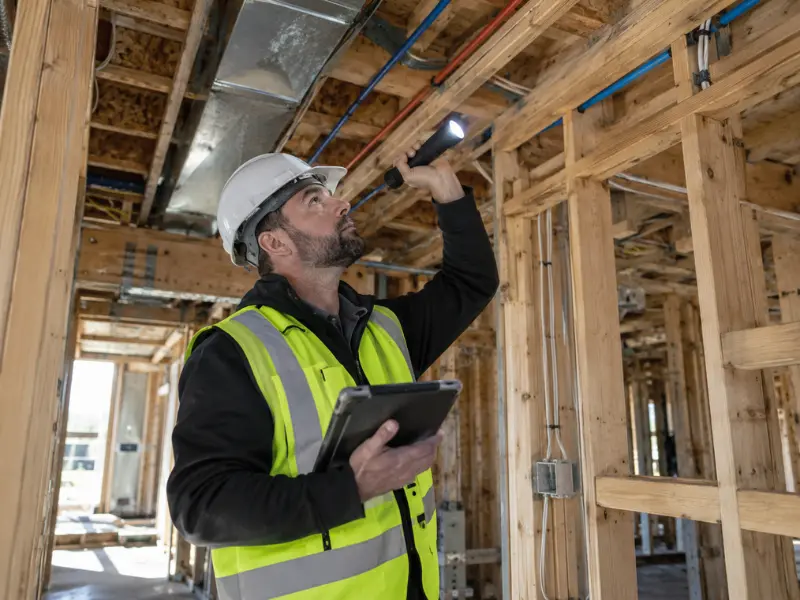
Who Certifies Inspectors in Arizona?
The Board of Technical Registration, on a route that's longer than most people expect.
A candidate completes 84 hours of approved classroom instruction, sits and passes the National Home Inspector Examination within two years of applying, works through 30 parallel inspections alongside a certified inspector, and submits a fingerprint clearance card, with the Board running a background check when they apply and again every year they renew.
The parallel inspections deserve a closer look, because they aren't observation. For each one the candidate produces a complete written report, which the supervising inspector marks up and returns inside ten calendar days; the candidate can take no paid work while that's happening; and when the application finally arrives, Board staff pull one of those thirty reports at random and read it.
The implication is worth drawing out. Arizona trains inspectors by making them write thirty audited reports — so the state's own view is that the report, not the walkthrough, is what a client is buying.
Certification is checkable through the Board rather than taken on trust. So if you're asking which building inspector near me is state certified, the answer is verifiable rather than claimable — and a certified building inspector Maricopa County AZ buyers engage should expect to be looked up.
Why Does Financial Assurance Matter?
Because every other requirement protects the standard. This one protects you, and hardly anyone asks about it.
Arizona won't certify a home inspector who isn't carrying financial assurance, and won't let them keep the certification if it lapses. The permitted forms are errors and omissions cover of $200,000 aggregate with $100,000 per occurrence, a $25,000 bond, or an approved equivalent worth at least as much. Losing it is grounds for revocation — the state treats it as fundamental rather than administrative.
Which hands you a short question with a verifiable answer: is your certification current, and is your financial assurance in place? Anyone who answers both flatly has given you something you can check. It's the same reflex as asking a contractor about workers' compensation, and it costs you nothing.
The residential property inspections guide covers what a report should contain once you've settled who's writing it.
Why Should You Attend the Inspection?
Because it's worth doing — though the final portion is worth more than the whole.
Following an inspector for three hours teaches less than thirty minutes at the end walking the significant findings with the person who found them. That's when you can ask the question the report can't fully answer: is this a today problem, a five-year problem, or a note for the file?
Mention any specific worry when you book rather than at the end — a stain, a smell, a crack you noticed at the viewing — so it gets proper attention during the inspection rather than a glance as everyone's leaving.
And expect the report to state its own limits: what wasn't accessible, what wasn't tested, and why. A report with no limitations section is either describing an impossible inspection or quietly omitting the gaps. Our pre-purchase guide covers how that fits the contractual clock you're working against.
How Much Do Building Inspectors Charge?
How much do building inspectors charge on the private side tracks square footage, the number of separate structures, and how many discrete systems are present. A single-system home is straightforward; a larger property with a casita, several HVAC units, a pool and extensive landscaping is a bigger engagement. Specialist scopes are quoted separately, and where Arizona licensing requires it, performed by separately licensed providers.
Municipal inspections are a different matter entirely — those are covered by permit fees paid to the jurisdiction, not by you engaging anyone.
Set against a transaction, a private inspection is the smallest line item with the largest information value, and the only one you control completely. Estimates are free.
We cover Scottsdale, Paradise Valley and Phoenix — scope on our residential inspections page, assets on property types, and the area list on our locations page.
Comparing the best building inspectors near Scottsdale AZ, looking at top rated building inspectors in the Scottsdale area, or wondering who are the best building inspectors near me? Ask for the certification and the financial assurance. A residential building inspector Phoenix metro buyers trust will give you both in one sentence.
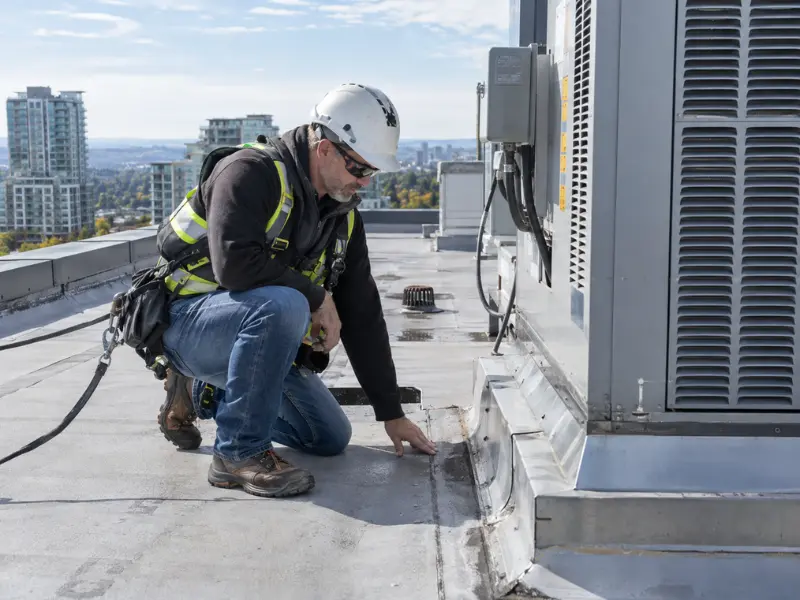
Frequently Asked Questions
1. How much do building inspectors charge in the Scottsdale area?
For a private inspection, square footage, the number of separate structures, and how many discrete systems are present. A single-system home with no pool is straightforward, while a larger property with a casita, several HVAC units, a pool and extensive landscaping is a considerably bigger engagement. Specialist scopes — pool and barrier, termite, septic — are quoted separately and performed by separately licensed providers where Arizona requires it. Municipal inspections are different: those come through permit fees paid to the jurisdiction rather than a fee you pay an inspector.
2. Are you a state-certified building inspector in Arizona?
Yes, certified through the Arizona Board of Technical Registration. That requires 84 hours of classroom training from an accredited or board-approved facility, passing the National Home Inspector Examination within two years of applying, completing 30 parallel inspections supervised by a certified inspector, and a fingerprint clearance card with a background check at application and at each annual renewal. Worth noting the distinction: this is private certification to inspect condition, not appointment as a municipal code official with enforcement authority.
3. What does your inspection include?
Everything visible and operable: the structure and what it sits on, the roof and how water leaves it, the envelope and how ground slopes away, attic and insulation, electrical service and panel, water supply and drainage, the water heater, HVAC run in season, interior finishes, doors and windows, and life-safety items. Arizona certified inspectors work to a shared standard of practice, so two inspectors should be covering the same ground. The boundary is visibility and operability — if it can't be seen without dismantling something, safely run on the day, or assessed without instrumentation, it sits outside, as do pools, septic and termite.
4. Do you carry E&O insurance and financial assurance?
Arizona will not certify an inspector without it and will not let them keep certification if it lapses. The permitted forms are errors and omissions cover at $200,000 aggregate with $100,000 per occurrence, a $25,000 bond, or an approved equivalent of at least that value, and losing it is grounds for revocation. Ask whether ours is current — it's a question with a verifiable answer, and it's the single requirement that exists for the client's protection rather than the regulator's.
5. Can I attend the inspection with you?
Yes, and the final portion is the most valuable part to be there for. Thirty minutes walking the significant findings with the inspector teaches more than three hours of following them around, because that is when you can ask whether something is an immediate problem, a five-year problem, or simply a note for the file. Mention any specific concern when booking rather than at the end, so it receives proper attention during the inspection itself.
Contact Halcomb Property Inspections
Halcomb Property Inspections Serving Scottsdale, AZ and the Phoenix metropolitan area Phone: (480) 273-9328 Hours: Monday–Sunday, 6:00 AM – 9:00 PM Serving Scottsdale, Paradise Valley, Phoenix, Mesa, Chandler and the wider Valley.
Need someone working for you rather than the City? Request a free quote or call (480) 273-9328.
